Zero Tariff Hybrids: What cars could be offered in PH?

Executive Order 62 to bring in more hybrids in the market
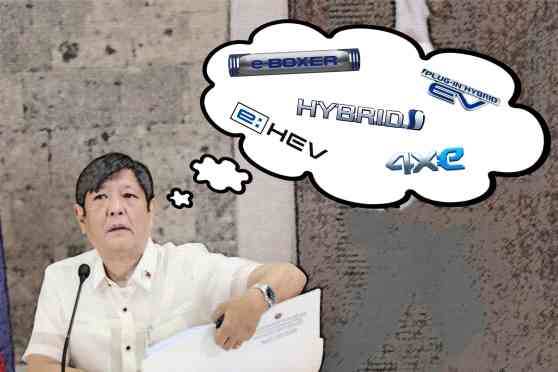
Last week, the National Economic Development Authority (NEDA) board approved the extension of an executive order that could very well give a major shakeup to the automotive market – perhaps even more than the arrival of affordable EVs when the original EO was signed.
Long story short: Import duties for hybrid electric vehicles (HEV) and plug-in hybrid vehicles (PHEV) will be cut down to zero. This move benefits HEVs and PHEVs made outside Southeast Asia, as those made in the region already benefit from zero import tariffs due to the ASEAN Free Trade Agreement, or AFTA.
With the country still limited in terms of EV charging infrastructure, hybrids have become the more attractive choice for those looking to reduce fossil fuel usage and save up on running costs, especially with ever-fluctuating oil prices.
Now that HEVs and PHEVs made outside of AFTA can benefit from zero import tariffs until 2028, this gives automotive players in the country a free hand. They can source more hybrids to offer for customers at prices that are much more reasonable, as well as a potential drop in price for HEVs and PHEVs already in the market. As we know, import duty accounts for a big chunk of a vehicle's SRP.
Let’s take a look at the possible models that could make their way to the country and benefit from Executive Order 62.
Toyota
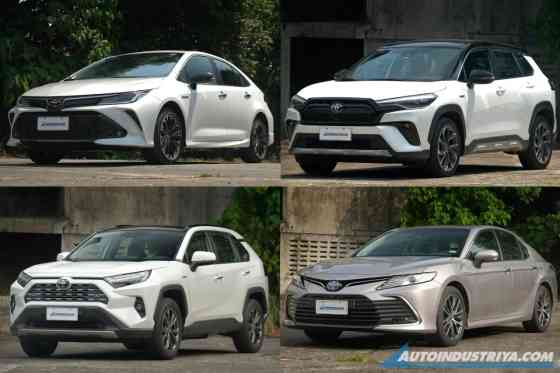
Toyota has perhaps the most extensive lineup of hybrid electric vehicles in the Philippine market, but most of the volume drivers come from Southeast Asia such as the Altis HEV, Corolla Cross HEV, Yaris Cross HEV, the Camry HEV, and the Innova Zenix HEV.
TMP can still take advantage of the Executive Order 62 to better package or potentially offer more competitive pricing on the following vehicles: Alphard (Japan), RAV4 (Japan), Lexus RX (Japan), and Lexus NX (Japan).
As for new model launches, the Land Cruiser Prado appears to be a non-hybrid based on homologation documents. On the other hand, its more luxurious twin, the GX, has already arrived in the country but is yet to be launched globally with an electrified V6. In that case, that leaves us with the potential return of Toyota’s most popular hybrid – the Prius.
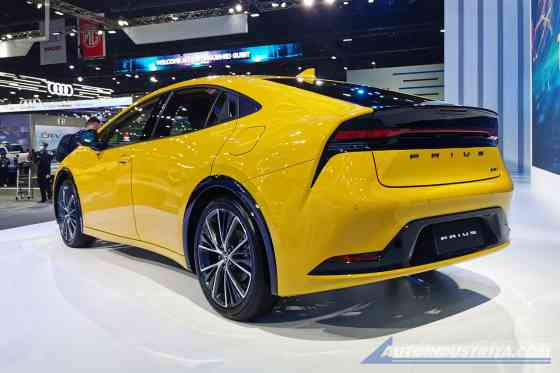
The Prius was actually the first hybrid vehicle offering of Toyota Motor Philippines when it was launched more than a decade ago, but one factor prevented it from having the same popularity as those currently in Toyota’s HEV lineup – pricing.
Since it was made in Japan, the Prius, which had a 1.8-liter engine during its time, was unable to benefit from the JPEPA trade agreement. Under JPEPA, only cars with engine displacements of 3001 cc or larger get zero tariffs. As a result, taxes and other costs drove prices of the Prius up to PHP 2.2 million back in 2008, which is simply out of practical reach for what should have been a significant model for Toyota in the volume sector.
But with the timing of the Executive Order 62 along with reduced excise taxes in the EVIDA law, the Prius that recently had a major glow-up could finally get its redemption story in the Philippine market.
Mitsubishi
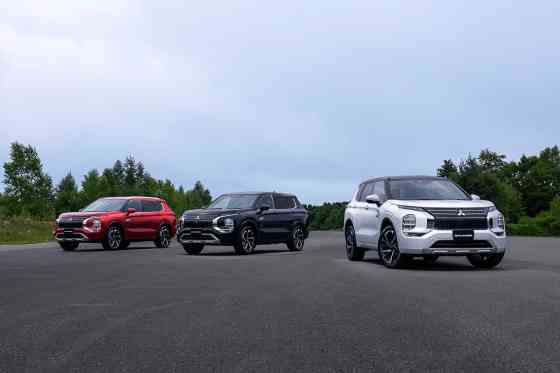
Much like Toyota’s case with the Prius, Mitsubishi had trouble in terms of pricing with the previous generation Outlander PHEV since it was also produced in Japan. In the past few months, they have been teasing the all-new Outlander PHEV, and MMPC has already received regulatory approval from the government to go ahead with offering the vehicle.
Perhaps, the Executive Order 62 is what MMPC is waiting for with the Japan-made Outlander PHEV since the 30% tariff has been cut down to zero. Now that the EO has been passed, we won’t be surprised if Mitsubishi holds a grand launch very soon.
Honda
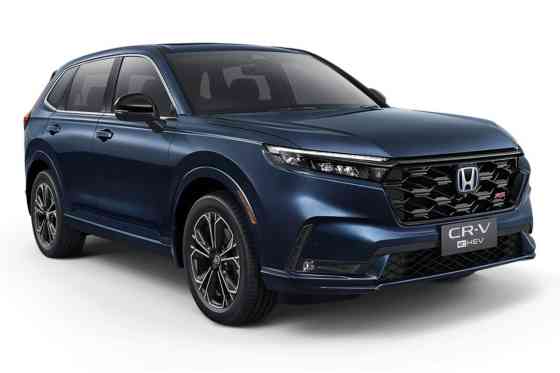
Honda has already started offering hybrids in the market with the all-new CR-V, and we’re actually expecting the brand to introduce the e:HEV technology in models such as the HR-V and the Civic in the next few years. But given that most of their existing models with e:HEV are already being made in Thailand, then perhaps we can expect more or less similar pricing strategies from HCPI going forward.
However, that does not leave HCPI unable to make use of the Executive Order 62. With more and more minivans entering the market, the new EO could open the possibility for the return of Honda’s minivan: the Odyssey.
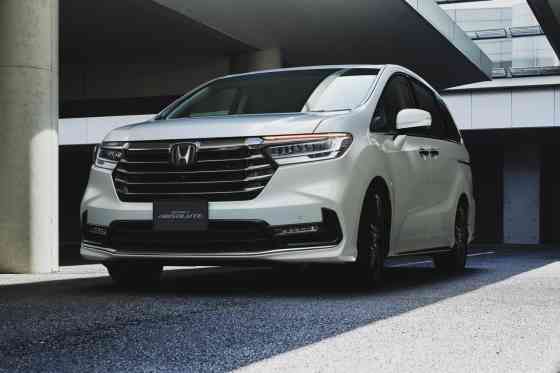
The current generation should have been here as early as 2022. However, factors surrounding Honda’s future plans, including the closing of the Sayama plant where the Odyssey is being made have prevented HCPI from offering its minivan. But last year, Honda reintroduced the Odyssey in Japan with a 2.0-liter e:HEV hybrid system, and is now being built in Guangzhou, China. While the engine displacement does not qualify under the ASEAN-China Free Trade Area, the expanded EO can allow HCPI to bring in the Odyssey e:HEV without being charged for import tariffs.
Nissan
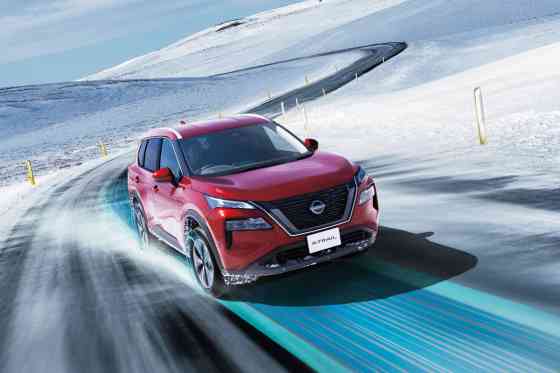
Before the expansion of EO 12, Nissan already had an advantage over the competition in terms of pricing its e-Power models as government regulations recognized it as a BEV in the country.
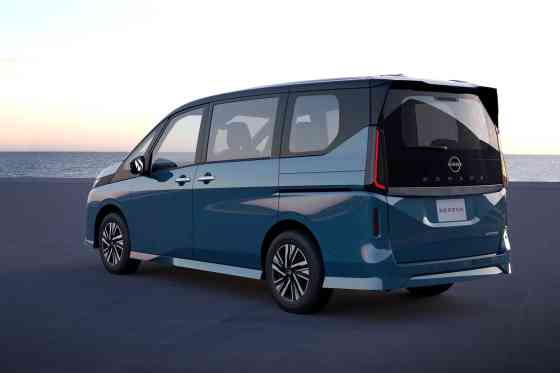
Having said that, the new policy further opens up the window of opportunity for Nissan to bring in models such as the X-Trail e-Power crossover and the Serena e-Power which is an MPV. In fact, Nissan Philippines has already secured government approval for the X-Trail, while the Serena could be a competitive MPV in the market; that is if the Nissan factory in Japan would produce left-hand drive models of it.
Subaru
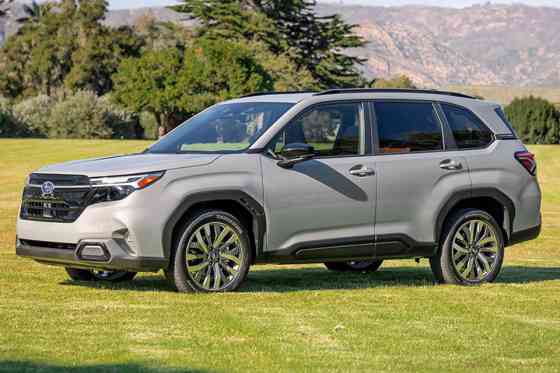
Of the many Japanese brands in the market, Subaru is one of those who have yet to offer an electrified vehicle. In their home market, they already have the e-Boxer technology for vehicles like the Crosstrek and the Forester.
However, much like Toyota’s case with the Prius, Subaru makes its e-Boxer models in Japan. Since their vehicles consist of engines that have 2.0 or 2.4-liter displacements, the added cost of the hybrid system along with import taxes could be the factors preventing Motor Image Pilipinas from offering those models.
Now that the Executive Order 62 is here, then the next four years may be the sign for Subaru Philippines to offer hybrid vehicles such as the Forester e-Boxer.
Ford
Ford has been on a roll in the past few years since they introduced their next-generation models like the Ranger, Everest, and the Territory. The three have been extremely popular in the Philippine market, while the arrival of the Mustang and Bronco could further push the Blue Oval forward.
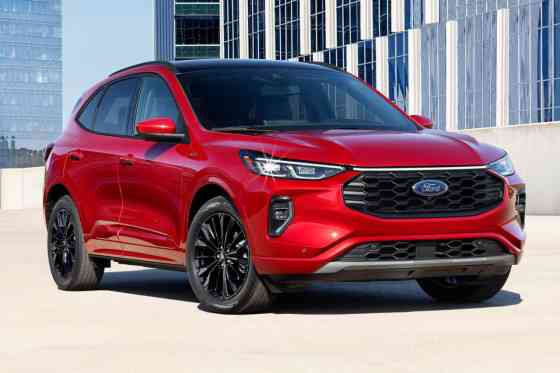
But in terms of electrification, Ford is one of the volume brands that have yet to introduce a hybrid or even an EV. With an expanded regulation in place, Ford could bolster their lineup with the F-150 hybrid and the Escape hybrid that’s currently available in the US market.
Ford PH has offered previous generations of the Escape, but they were set back by hefty import duties when the last one they offered came from the US.
Hyundai
From initially offering ICE models, Hyundai Motor Philippines has gone straight to bringing EVs in the market with the Ioniq 5 and Ioniq 6. While HMPH did not officially specify the exact reason, the passing of the original EO 12 may have a lot to do with it since they won’t be charged with import duties for their EVs until 2028.
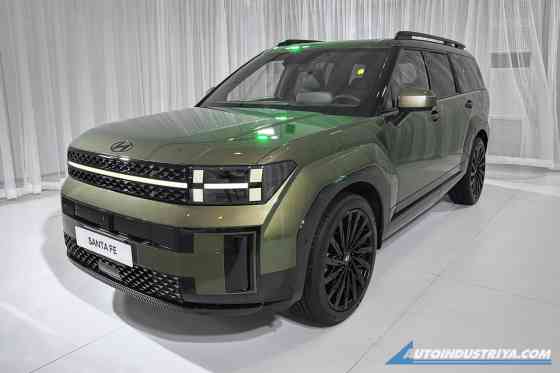
But late last year, HMPH announced that the all-new Santa Fe will be offered with a 1.6-liter hybrid variant.
Since the all-new Santa Fe comes straight from Korea, HMPH is being charged with full import duties for the 2.5-liter models, hence the reason why the top-spec Calligraphy AWD now costs PHP 3.1 million. But once the 1.6-liter hybrid arrives, HMPH can take advantage of the Executive Order 62 to potentially give the SUV a more competitive pricing.
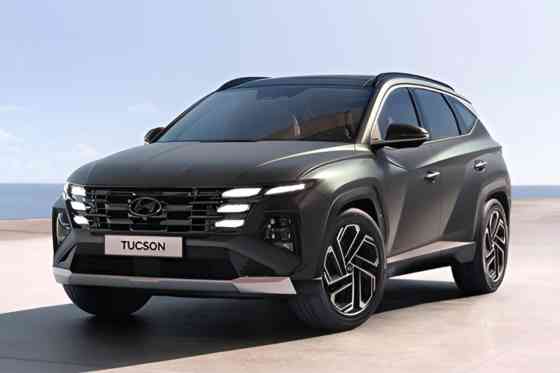
Likewise, the new policy also opens up an opportunity for Hyundai to bring in a hybrid variant of the smaller Tucson to compete with the likes of the RAV4 HEV and CR-V e:HEV.
Kia
Together with Hyundai, Kia has also gone straight to offering EVs in their model lineup in the country. They already have the EV6 on sale, while AC Motors says the smaller EV5 is scheduled to arrive this year.
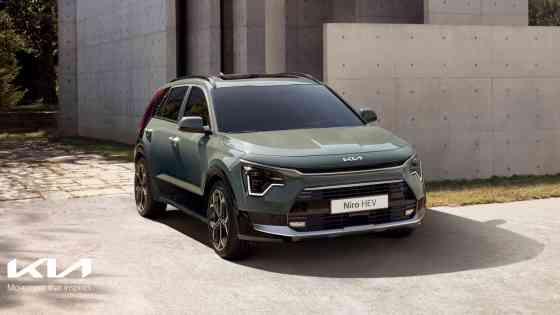
With the Executive Order 62, Kia has a window to offer crossovers like the Niro, Sportage, and Sorento that are all available in full hybrid and PHEV variants.
Geely
The Geely brand is set to operate in the Philippine market as a subsidiary soon. Their current lineup already needs updating, and the expansion of EO 12 couldn’t have come at a better timing for the arrival of the new Geely Philippines.
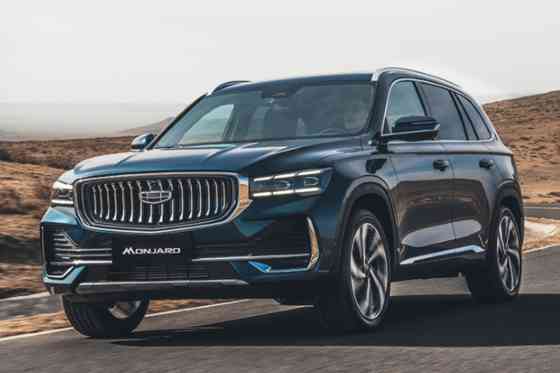
We’ve long been waiting for the Geely Monjaro SUV. And thanks to EO 12, Geely can offer the model with its hybrid and plug-in hybrid variants that are available in the Chinese market. Likewise, Geely has a full hybrid variant of the Starray that could potentially replace the Azkarra here.
GAC
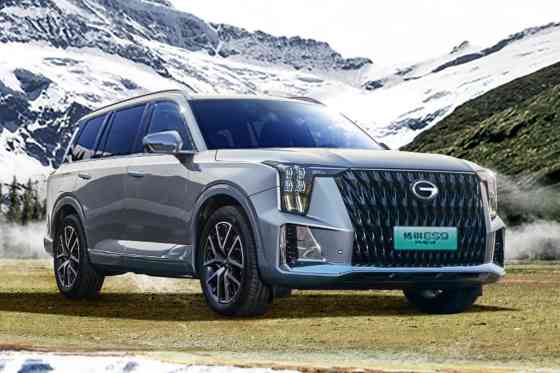
GAC is already starting its electrification plans in the market with the new Emkoo hybrid that was previewed at MIAS 2024. With the timing of the new EO 62, GAC can give the Emkoo hybrid a potentially lower price than they previously planned when it goes on sale this June.
Meanwhile, because of the ASEAN-China Free Trade Area, the GAC GS8 with its 2.0-liter turbo engine is being charged with higher import duties than other models like the Emkoo and Emzoom that have 1.5-liter turbo engines. But with the Executive Order 62, GAC could have a window to offer the GS8’s PHEV version called the ES9.
Much like the current GS8 we have in the market, the ES9 also has a 2.0-liter, four-cylinder turbo engine that makes 190 PS with 330 Nm of torque and is assisted by an electric motor that produces 182 PS and 300 Nm of torque. When combined, the plug-in hybrid system puts put 372 PS and 630 Nm of torque and allows the ES9 to have an electric range of up to 110 km.
While the all-ICE GS8 is subject to full import and excise taxes, the ES9 plug-in hybrid would basically have zero import duties and reduced excise taxes that could allow GAC to price it competitively.
Peugeot
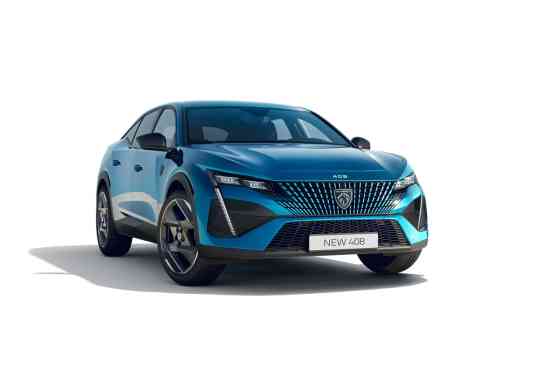
Moving to the Euro side of things in the Astara camp, Peugeot has been staying quiet for quite a long time now. They have not introduced an all-new model since the 2008, and that could be because their regional hub in Malaysia has not churned out new models as of late.
With the Executive Order 62, Peugeot Philippines can take the opportunity to bring in hybrid models of their vehicles that are made in Europe for the time being, or at least until the Malaysian hub starts to build electrified models. In Europe, Peugeot has hybrid and PHEV versions of the 3008 and 5008 crossovers, as well as the all-new 408.
Jeep
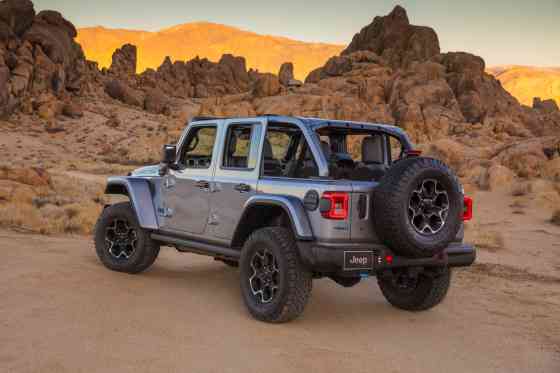
Jeep has nicely carved out its own niche in the premium SUV market with models like the Wrangler and the Grand Cherokee. They’ve recently launched a new variant of the Wrangler called the Unlimited Sport that retails for PHP 4.790 million.
For the next four years, however, the Executive Order 62 means Inchcape Philippines can potentially offer the 4xe variants of both the Wrangler and the Grand Cherokee. Not only will the 4xe variants offer more power and more efficiency, but it could also mean Inchcape Philippines can introduce them at potentially similar prices to their ICE equivalents.
Chevrolet
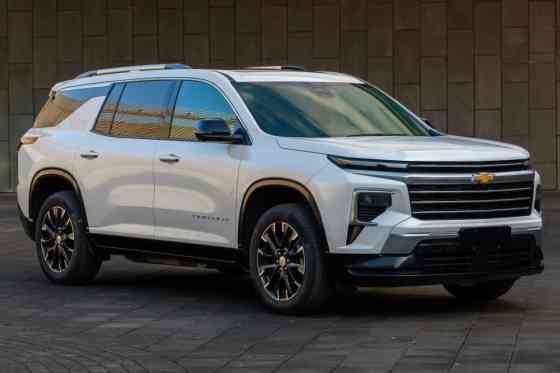
Chevrolet is making a fresh start in the market under the new TCCCI, and they can hit the ground running in terms of electrification with the new EO. Over at the PRC, the SAIC-GM joint venture produces the Traverse full-size SUV that comes with a 2.0-liter hybrid. Parent company GM says they plan to offer the Traverse hybrid in other markets soon, and TCCCI has a window to grab that opportunity for the next four years.
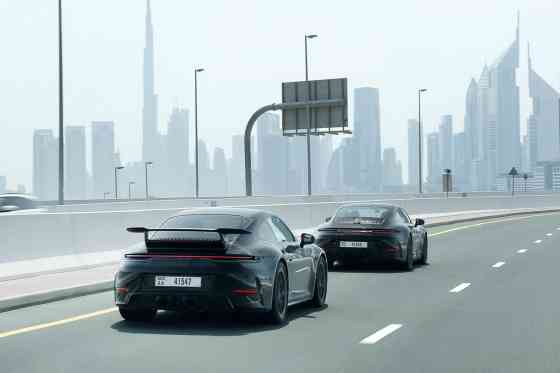
Porsche and other brands in the premium sector
As we’ve said earlier, hybrids made outside SE Asia get the most benefit of the Executive Order 62. And yes, that covers electrified made in Germany such as the upcoming Porsche 911 Hybrid. While its ICE counterpart is subject to import duties, the 911 hybrid could not just be faster, but perhaps, may even come at a “friendlier” sticker price if PGA Cars would bring it here.
The same benefit applies to other premium vehicles such as Mercedes-Benz, and those from the PGA stable such as Audi and Lamborghini, but the former already has the fully electric e-Tron models. Ferrari, on the other hand, could offer the 296 GTB at more “affordable” prices since it’s a PHEV.
These are just some examples of what could be coming to the market in the next few years. But do remember, the EO 62 only lasts until 2028. We spoke to a trusted industry veteran who said the four-year window needs to be carefully considered. Yes, the alternative sources for hybrid models are a nice welcome, but they still need to factor in things such as logistical costs and market demand before introducing a new hybrid model altogether.
Anything more you can add to the list?