Taking on a Project Car: Worth the time, effort, and money?

The pitfalls of a project car
TV is full of inspiring shows where something old, worn down, or outright dilapidated gets a new lease of life after a transformation. Think shows like Fixer Upper, Property Brothers, and Flip or Flop, where we see a home at the start, then it gets transformed in an hour-long episode into something grand.
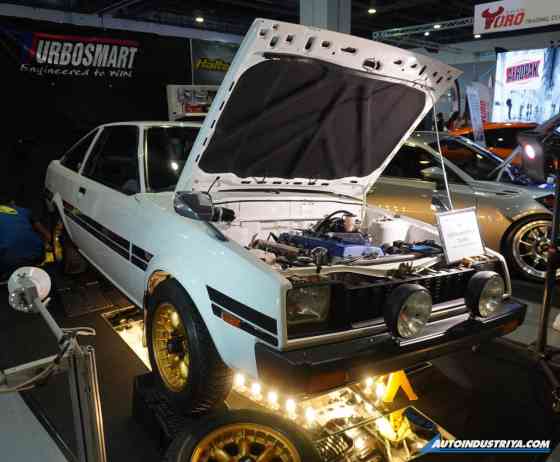
When it comes to cars, that’s also the dream. We call these project cars.
Taking on a project car can be an incredibly rewarding experience for any car enthusiast. Whether you're building a show car, a racecar, or restoring a classic, the goal remains the same: to bring your dream car to life from what was once an old, possibly even dilapidated ride.
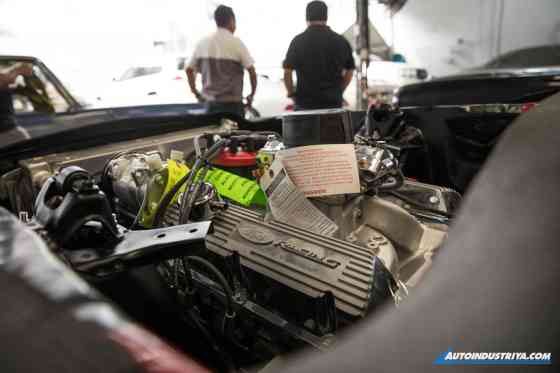
While the journey can be exciting, it’s important to approach it with caution, as it can easily become a money pit or a never-ending source of frustration if you’re not fully prepared. Make no mistake, project cars are exactly what the name implies: time-consuming, expensive, and demanding of both patience and commitment.

Taking on a project car can take many forms, but we’ll focus on car restoration. By definition, this entails bringing a vehicle back to its original, factory-like condition with period-correct parts and details. As we will narrate, the reality is far more complex, especially for those who haven’t done this yet and are unfamiliar with what it brings.
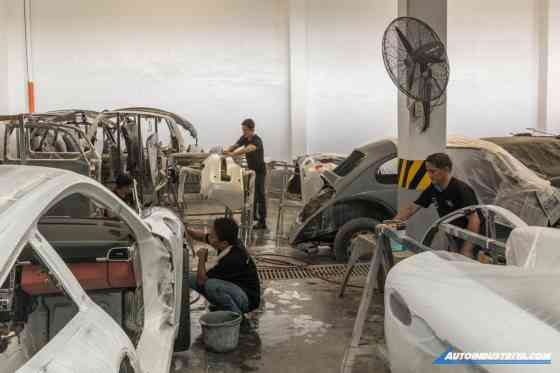
We’ll break down what you need to know and consider, as most of us have already done this with varying degrees of difficulty and success to help you go in with both eyes open.
Vehicle Condition and Age
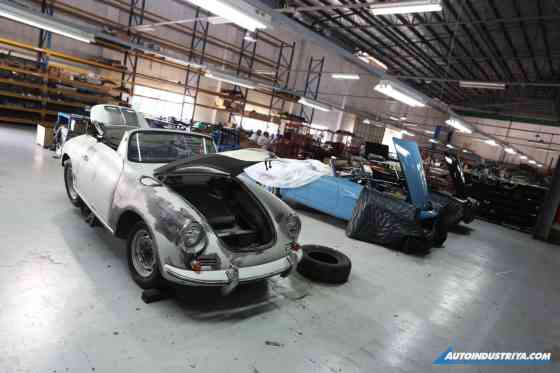
Whether you already have a project car sitting in your garage or are inspecting a potential candidate from the classifieds, the first step is to determine the vehicle's condition. Are you working with a solid foundation, or something in a severely dilapidated state? The overall condition determines the amount of work, the parts needed, and the time it will take for the entire restoration process.
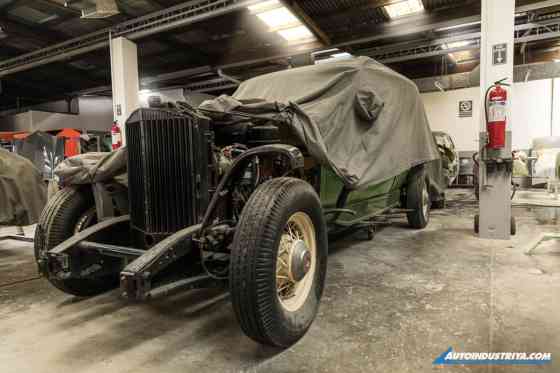
It’s a common trait among car enthusiasts to see a super shiny, perfectly running project car beyond a dilapidated pile of junk. Always choose a suitable candidate for restoration right from the start and save yourself a ton of headaches. The bottom line here is to avoid choosing a complete basket case and be realistic with what is in front of you.
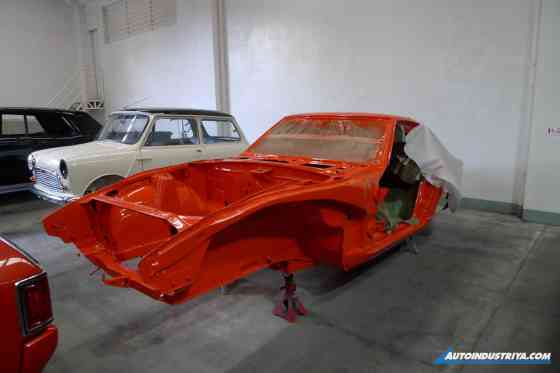
In addition to the vehicle's condition, its age plays a crucial role in the restoration process. Cars that are 20 years old or more often suffer from metal degradation and widespread wear, increasing the need to repair or replace many of their mechanical components. Furthermore, most parts for older vehicles are likely out of production and in limited supply, making it challenging to source the necessary components to execute a complete and accurate restoration.
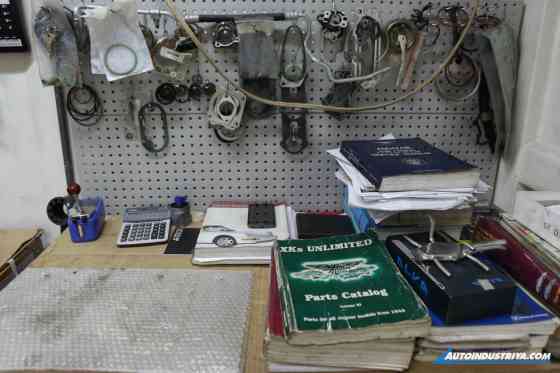
Parts ecosystem
Shopping for parts and restoring a car always go hand in hand, so parts availability and where to source them should be an important factor to consider.
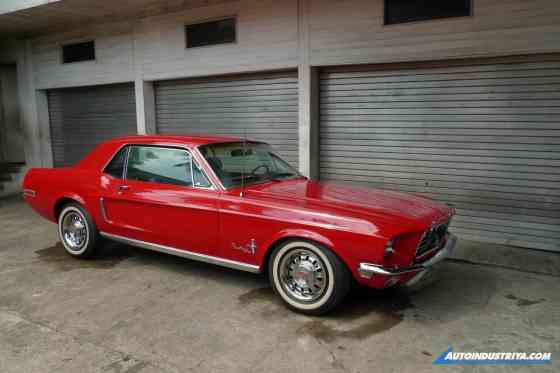
It is important to note that not all cars have the same level of aftermarket parts support. Take, for example, classic American cars like the Tri-Five Chevy, Camaro, Ford Mustang, Dodge Challenger, and other similar models. Such vehicles benefit from a vast reproduction parts industry, offering everything from trim pieces to full body shells. The same goes for certain European and British classics like the VW Beetle, Mercedes-Benz, and Ford Escorts, which also enjoy strong aftermarket backing. In such cases, the restoration effort becomes far more feasible, but not necessarily less costly.
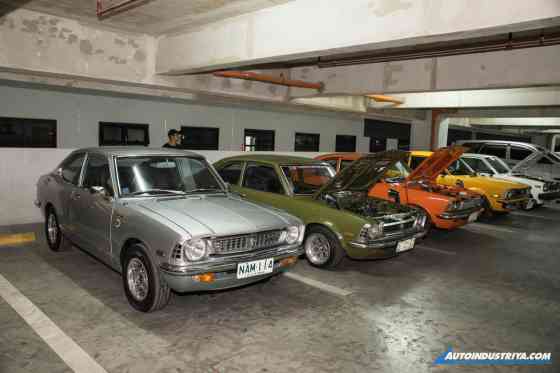
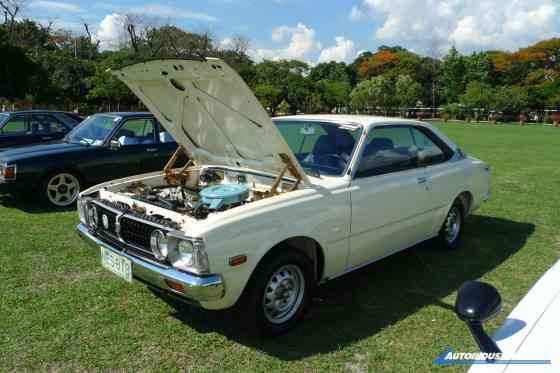
On the other hand, the same cannot be said for the seventies, eighties, and even nineties era Japanese classic cars that really strike a chord among local car enthusiasts. Unlike American and European classics, the lack of Japanese automotive reproduction parts companies makes restoring many Japanese cars quite difficult.
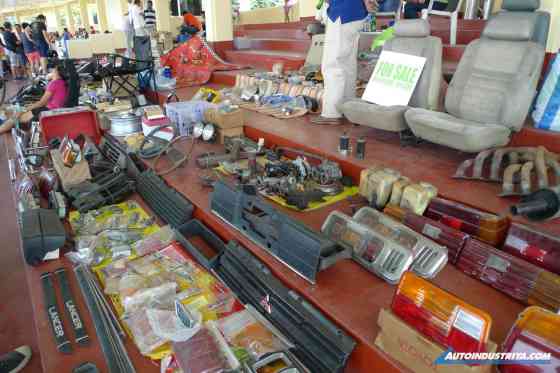
Finding New-Old-Stock (NOS) parts for such vehicles is considered rare, expensive, and often difficult to track down. This will involve a potentially never-ending treasure hunt for parts at the surplus yard or in the backrooms of many auto supply stores.
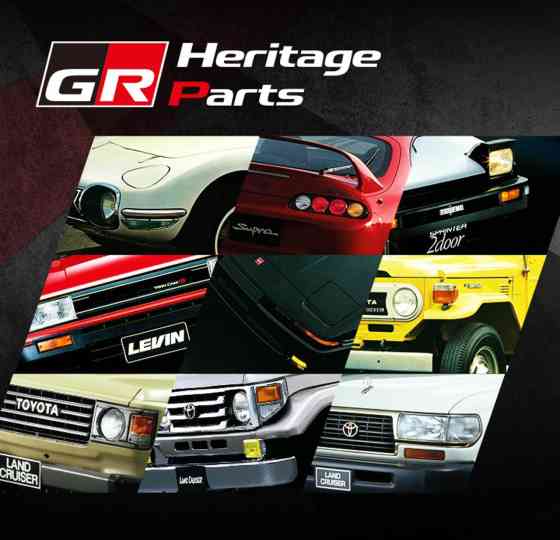
Thankfully, with increased clamor from enthusiasts, some major car manufacturers such as Toyota, Honda, and Mazda have begun offering select reproduction parts; mind you, it has only just begun. If all else fails, reproduction parts made in Taiwan or China are also available through select auto parts stores and online platforms such as Lazada and Alibaba, up to and including whole body shells.
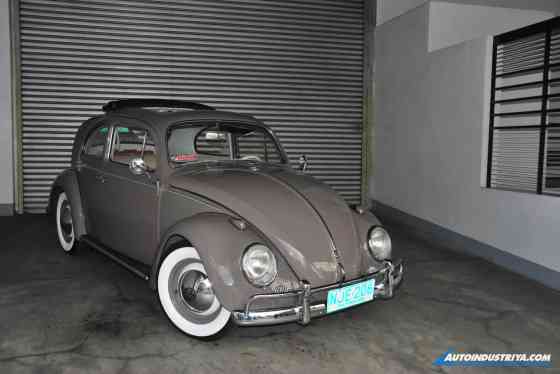
While some cars are blessed with an abundance of surplus parts and strong aftermarket support, others demand patience, deep pockets, and a lot of luck, so choose wisely.
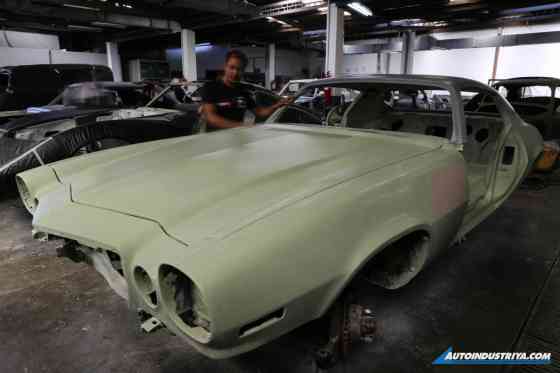
Cost and resources
Ah yes. Money.
This is one of the reasons why most project cars get stalled, lie dormant and forgotten in some secluded back space in a shop or garage. Considering that every component or part is imported and sourced abroad, nothing comes cheaply. And remember: if the car is Euro, you pay in Euro and ff the car is American, you pay in USD. Exchange rates aren’t in your favor either.
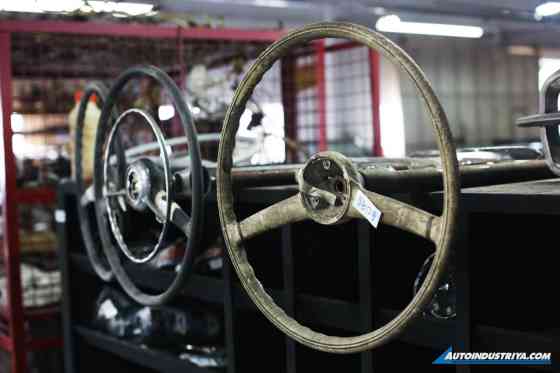
Even if this is locally sourced, the law of supply and demand dictates the high cost. What’s worse is having the money to purchase, but when there are absolutely no parts to be found. Now that is one huge problem.
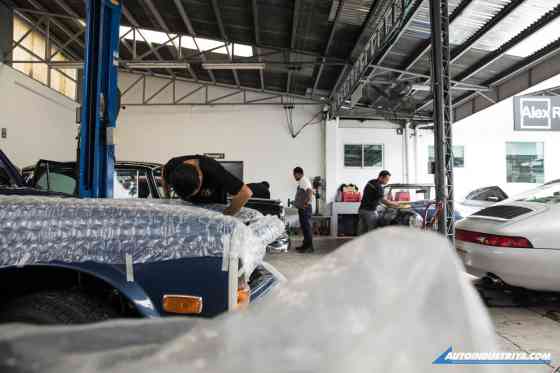
Beyond the cost of restoration parts, a significant financial consideration arises when it's time to pay the auto shop bills. In most cases, this is where the majority of the budget is spent. Restoration projects typically require extensive labor, ranging from disassembly and bodywork to stripping, removing rust, painting, and reassembly. All these laborious man-hours add up to substantial labor costs charged by the shop. With mounting costs, it pays to set a realistic budget to avoid being overwhelmed. Most especially when it comes time to purchase something that costs more than expected.
Bottom line
Whether you’re dealing with a family heirloom car or looking to restore the car of your dreams, we all have our personal reasons for taking on a project car. But before anything else, here are a few things to keep in mind.
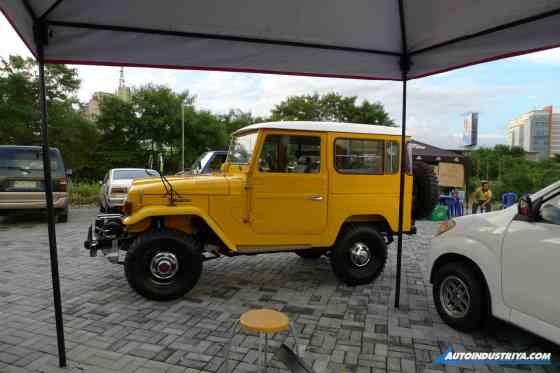
Start by carefully inspecting the car to select a suitable candidate, ideally one that’s structurally sound and still has most of its hard-to-find components intact. A low purchase price means little if the vehicle is plagued by rust or missing numerous parts. Choosing wisely at this stage will pay off in the long run by reducing both shop labor and the time spent tracking down components.
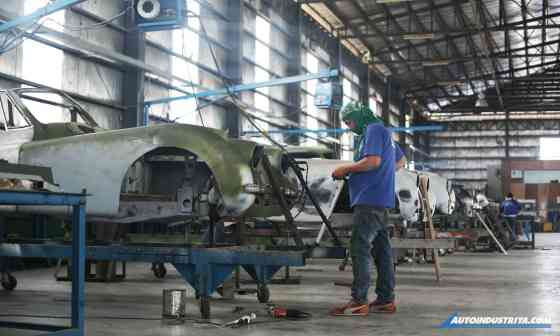
Secondly, choose a reputable shop with a proven track record in its specialization and restoration skills. At the end of the day, a shop with more experience will always have the upper hand in doing the job correctly. Don’t be fooled by below-standard shop rates, as there’s a pretty good reason why they charge less compared to an established shop that charges more. It also pays to have connections and friends who are also restoring the same or similar type of vehicles to gain more insight and help in parts sourcing.
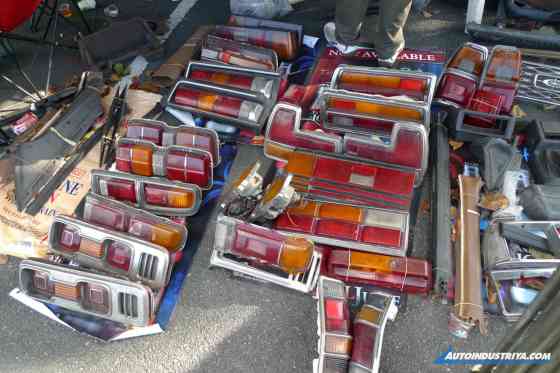
Thirdly, factor in all the key elements: parts availability, labor costs, and an estimated completion time. This will allow a clearer understanding of what the project car truly demands and help decide if it is possible and worth putting in all the effort. Be sure to also account for unexpected expenses like additional labor and extra missing parts that can quickly drive costs even further.
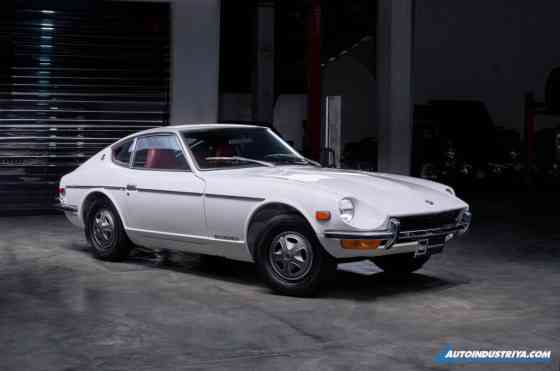
For non-car enthusiasts, project cars don’t make any sense, and the truth is that they’ll always cost more than they’ll ever be worth. However, the satisfaction and the experience that come from building and finally getting to drive it simply outweigh the monetary value and all the hardship involved.