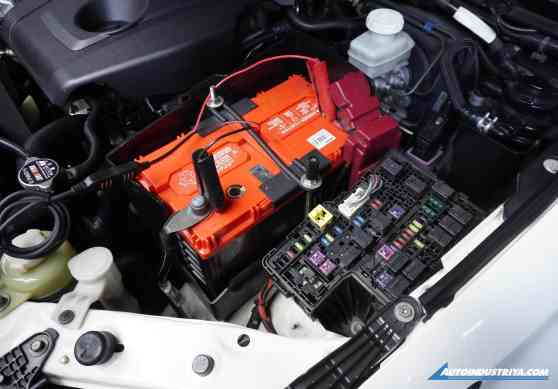
Basic Auto Electrical Problems: How to diagnose, prevent, and even fix

Auto 101: Diagnosing common electrical issues
Ever been stuck with a car that refuses to start or wipers that suddenly stop working?
You’re not alone; electrical issues are one of the most frustrating problems that drivers face. But don’t worry, in this article, we’ll break down the common causes and share practical tips to help prevent them from happening to your car.
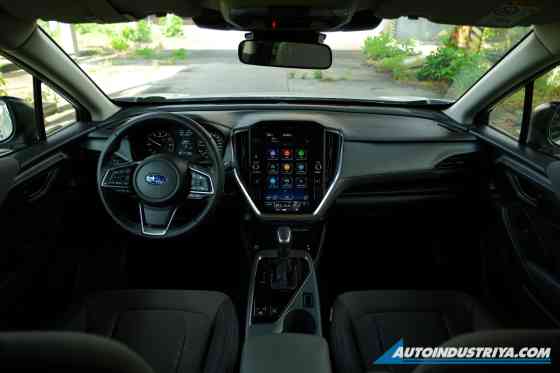
The starter, lights, entertainment system, wipers, infotainment system, and other critical safety components share one commonality: their reliance on a properly functioning electrical system. If something goes wrong, you could lose access to some or even all of these essential features.
Electrical problems can arise from a variety of issues, which is why a good understanding of symptoms is crucial to diagnosing the root cause or causes. Read on to find out some of the major electrical issues to watch out for and learn how to prevent them from happening.
Blown Fuse
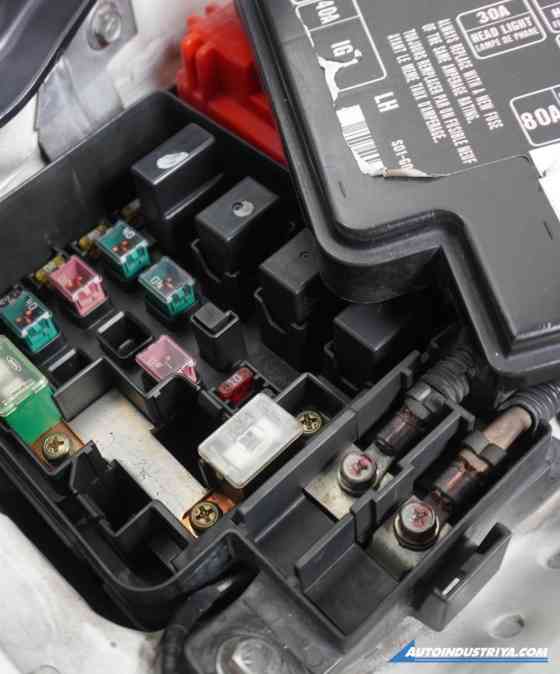
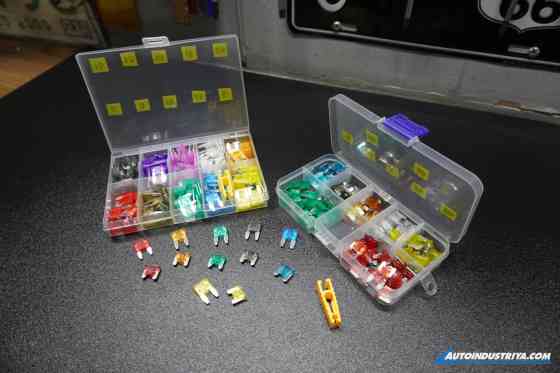
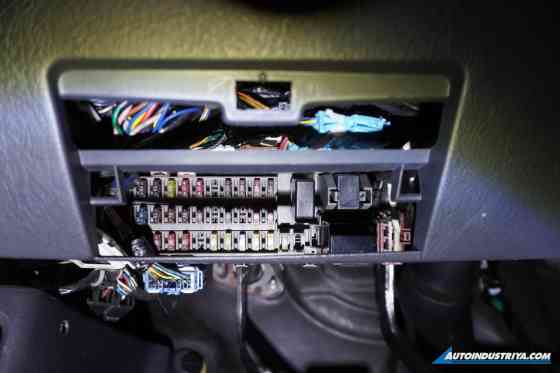
A fuse is a safety device designed to break the circuit in case of any problem with electrical overloading, and you'll find these under the hood (in a plastic junction box, usually) and under the dashboard (usually near the driver's knees). If an accessory or vehicle component draws more electricity than normal, it can cause a fuse to blow or break. The goal of the device is to protect the vehicle's wiring from damage and you from electrocution or even a fire.
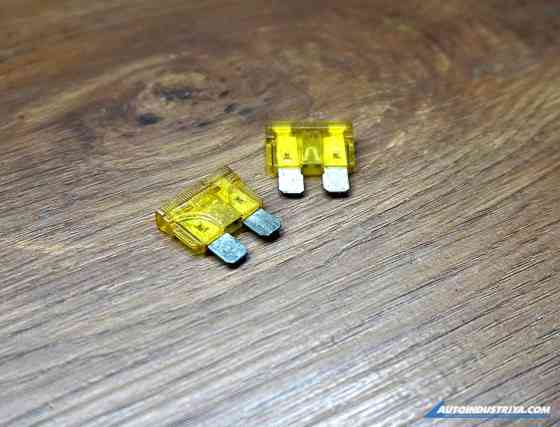
The primary cause of a blown car fuse is too much current, which can result from a short circuit (a hot wire touching a neutral or ground wire), an overloaded circuit (too many accessories drawing power), or a faulty electrical component.
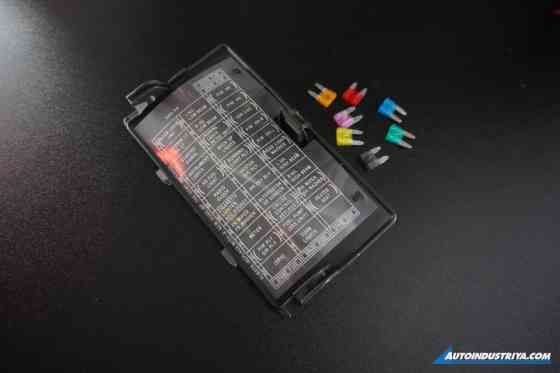
Replacing a fuse is relatively straightforward, but it's crucial to use one with the same amperage rating to ensure safety and proper function (e.g., always replace a blown 10A fuse with a new 10A fuse). If the fuse blows again, then that is an indicator of a more serious problem.
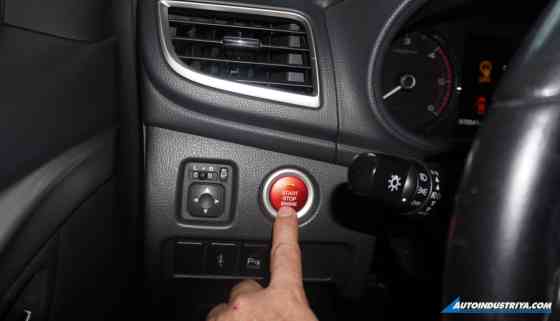
Malfunctioning/Dead Battery
The most common electrical issue is a car that won't start. Okay, maybe it's fuses or dead bulbs, but generally speaking, a car that won't start is a sure way to ruin anyone's morning, especially when they're rushing to work.
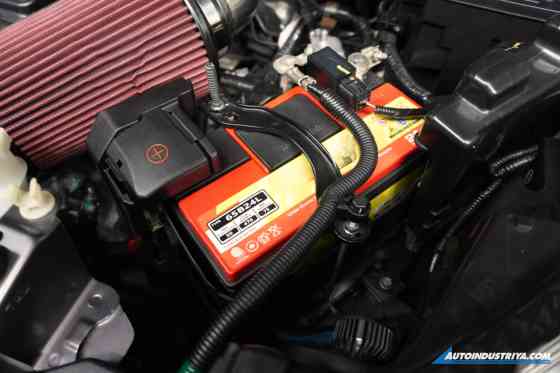
Most (if not all) passenger cars run on a 12V battery system, but these actually have a higher voltage than that. Normally, you need a resting voltage of about 12.4V or a little bit more. If it drops a little bit below that, there's a chance that you would hear the starter motor struggle a little bit, just before the engine runs. If your battery is below 12.0V, then the car may not even start at all, and you'll just hear a series of clicks.
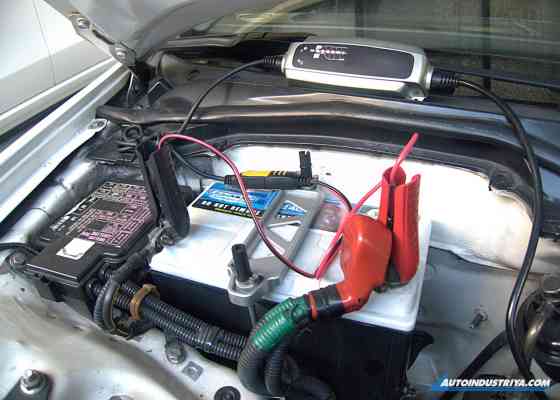
In these situations, you’ll need to jumpstart the battery (using jumper cables or even a good old push if you're driving a manual) or use a charger (this takes time) to boost it before attempting to start the vehicle. Now, if the battery is already old (e.g., 24-36 months or older), then perhaps a replacement may be in order. But if you're able to jumpstart the car and the voltage readout (by using a multimeter or voltmeter) of the system is still hovering below 12V, then you may have to read the next few paragraphs.
Faulty Alternator
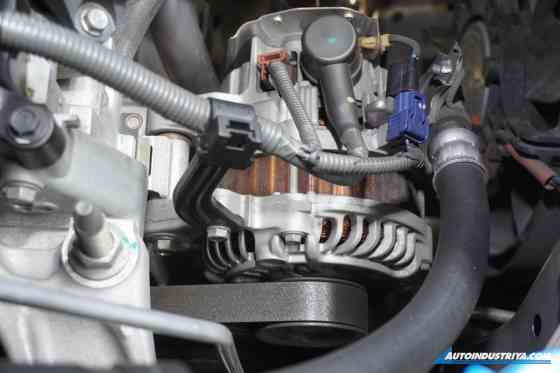
While we normally think that it is the battery that supplies power to all the electrical systems in most ICE vehicles, that is actually the job of the alternator. Essentially, it is a generator that is hooked up to the engine to convert some of the rotating energy into 12V electrical power for the entire vehicle to use. This power recharges the battery, powers the lights, A/C blower (except the A/C compressor), audio system, and more.
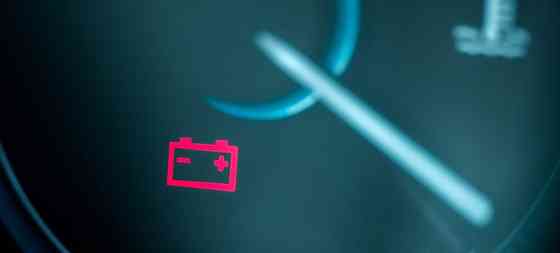
When the alternator is failing due to damage to its internal or external components, you will notice things like dimming lights, malfunctioning electronics, and possibly even a very low battery charge, even if the battery itself may be new or still serviceable. You will also notice a battery charge warning light staying on your instrument panel; that is a classic sign that your alternator needs attention from professional shops.
Damaged Relay
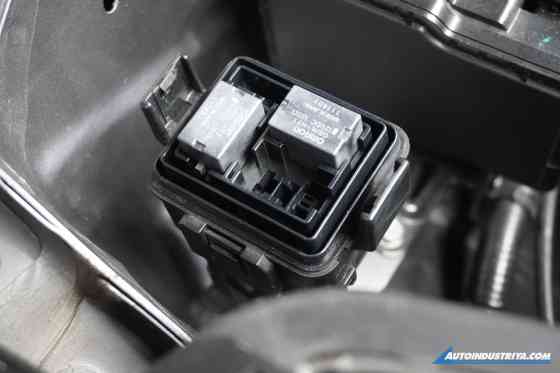
Though small in size, the automotive electrical relay plays a vital role in vehicle operation. Acting as a remote-controlled switch, it uses a low-current signal to control high-current systems, such as the starter motor, fuel pump, radiator fan, headlights, horn, power windows, door locks, and air conditioning, protecting them from overload.
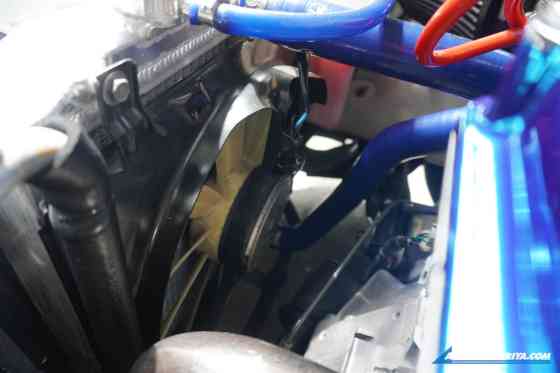
When a relay fails, it can prevent the electrical component from working or operate intermittently. Like most electrical parts, relays can fail due to internal wear, corrosion from moisture, or electrical surges. Symptoms vary depending on the affected system and may include issues such as headlights that won't turn on, a fuel pump that won’t engage, or worse, a vehicle that won’t start.
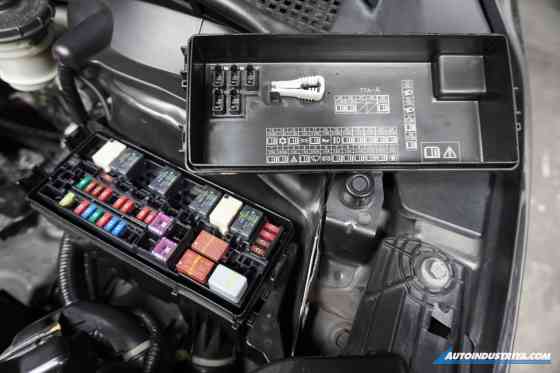
To diagnose a faulty relay, begin by locating the vehicle’s fuse and relay boxes; typically, one is found under the hood and another is located beneath the dashboard. Refer to the fuse box diagram to identify the specific relay associated with the malfunctioning component. Once located, you can test the relay with a multimeter or by swapping it with another identical relay. If the system begins to work after the swap, the original relay is likely faulty and should be replaced. Even then, better to have it checked by an auto electrician to prevent even more problems.
Wiring Problems
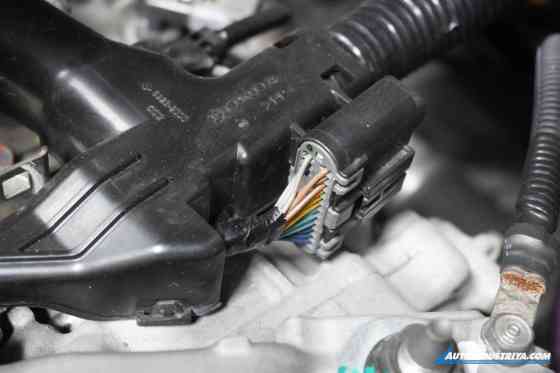
Modern vehicle wiring systems are highly complex, and even a single loose connection or frayed wire can affect multiple electrical components that rely on a consistent supply of power.
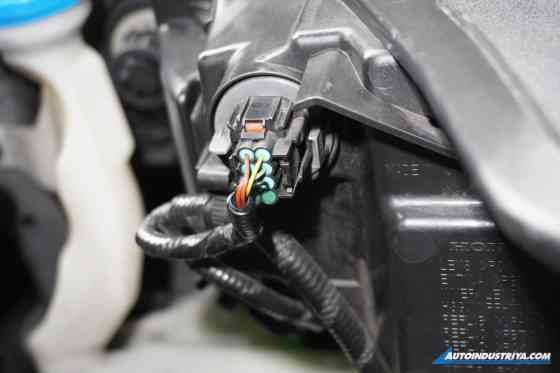
The more accurate term would be an issue of electrical continuity, meaning there is some kind of interruption somewhere on the electrical path. The common causes include corroded battery terminals (you'll see a blue-white-green powder), blown fuses (you'll see a burnt-out metal wire inside the fuse), poorly installed aftermarket parts, and damaged wiring from wear or chewed by rodents.
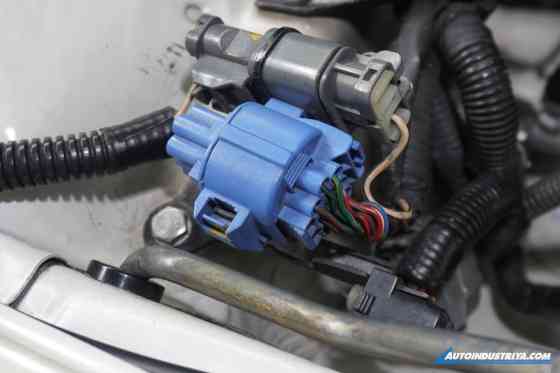
If you suspect frayed or chewed wires, be very careful, as this can be a dangerous issue, as arcing (the spark caused by a gap between two wires) can cause fires. You'll hear a strange zapping or buzzing sound if that is happening. Either way, it's best to have the vehicle inspected by a qualified auto electrician as soon as possible.
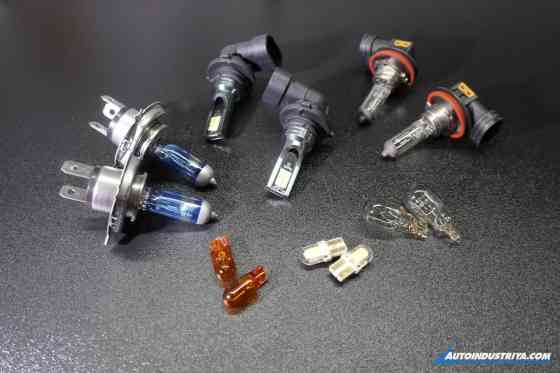
Busted bulbs
Automotive bulbs are a vital part of any vehicle, used in headlights, taillights, indicators, interior lights, and various other lighting systems. The most common types are Halogen bulbs, which are the most traditional and cost-effective option, while modern LED bulbs offer greater durability and energy efficiency.
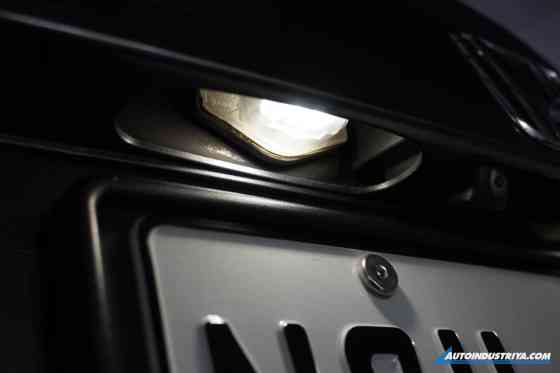
If the bulb in your vehicle stops working, the solution is to simply replace it with a new bulb of the same size and power rating. Both halogen and LED bulbs are designed to last thousands of hours, but like all components, they eventually degrade. Halogen bulbs typically fail when their filament burns out, whereas LED bulbs are more prone to overheating due to poor ventilation. Other common causes of failure include oxidation and voltage fluctuations.
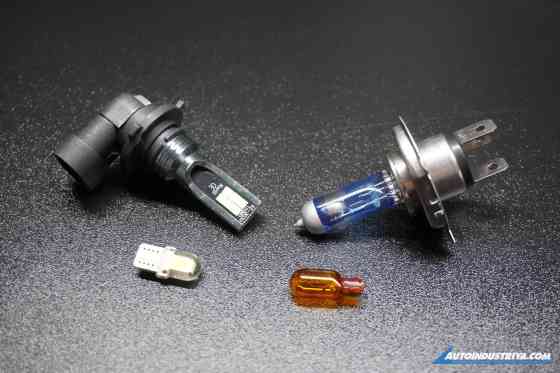
Take note that bulb replacement procedures vary between vehicles, as some offer easy access, while others require the removal of panels or components. However, if a new bulb still doesn’t work after installation, the issue may lie elsewhere. In such cases, a blown fuse, corroded connector, or a wiring problem could be the root cause and will require further inspection by an auto electrician.

Wipers won’t work
Aside from being stranded with a dead battery, one of the more frustrating electrical issues any driver can encounter is windshield wipers that won't turn on or fail to return to their original resting position. To make matters worse, wiper failures usually become apparent only when you need them most: during rain or poor visibility.
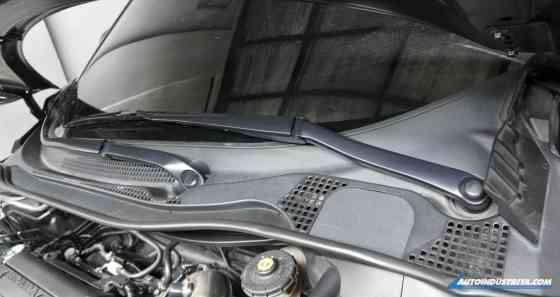
If this happens and your visibility becomes extremely limited due to a heavy downpour, it's best to gradually slow down and pull over to a safe location, such as a gas station or a covered parking area. Wait there until the rain subsides and visibility improves before continuing your journey.
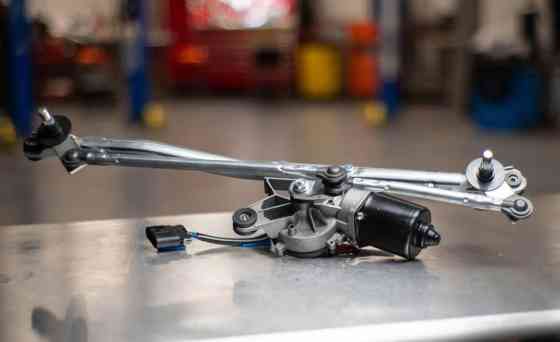
To give you an idea of how it works, windshield wipers are powered by an electric motor connected to a series of mechanical linkages that control their back-and-forth motion. If your wipers stop working, the most common cause is a blown fuse, often due to an electrical short. However, if replacing the fuse doesn’t fix the issue, diagnosing the problem can become more complex. Possible causes include a faulty relay and wiper switch assembly, worn plastic bushings that connect the wiper linkages, or a worn-out wiper motor. In such cases, best to have it checked by an auto electrician.
Ignition troubles
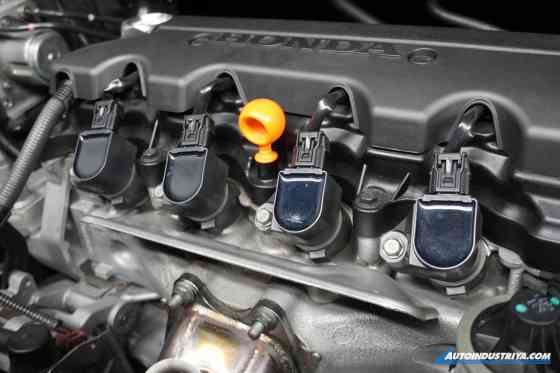
The ignition system is essential for all gasoline-powered engines to achieve complete combustion. In older vehicles, particularly those from the 1990s and earlier, it relied on high-tension wires and distributor-based setups. However, modern cars from the early 2000s onward have adopted more advanced ignition technologies, such as coil packs and Coil-On-Plug (COP) systems, providing higher voltage for improved performance and efficiency. Spark plugs have also evolved, now featuring more durable electrode materials to enhance performance and longevity.
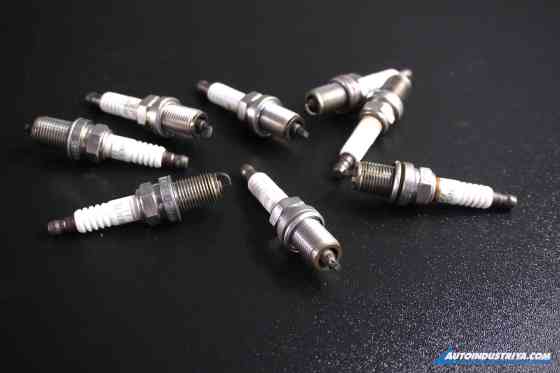
While spark plugs remain responsible for igniting the air-fuel mixture in the combustion chamber, over time, they can wear out, causing engine misfires and reduced performance. Similarly, ignition coils or coil packs can also weaken, unable to generate the high voltage necessary for proper spark plug operation. When one of these components fails, symptoms may include rough idling, difficulty starting, or not starting at all.
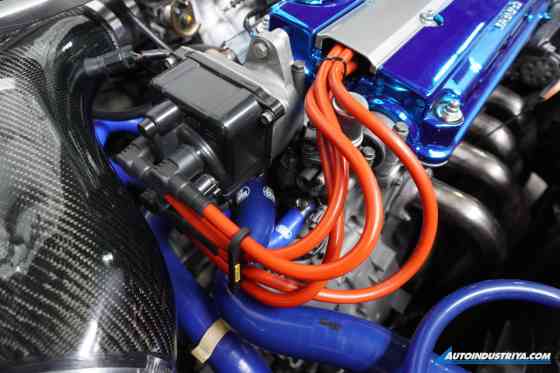
Diagnosing ignition issues depends largely on the age of the vehicle. Older cars call for hands-on troubleshooting, visual inspections, basic tools, and a solid grasp of mechanical systems. In contrast, today’s ECU diagnostic scanners allow technicians to instantly access the car’s computer system, accurately revealing error/fault codes that help pinpoint the issue. This quickly allows them to rectify the issue and clear the corresponding fault code.

Burning smell
Among all the electrical-related troubles, this is probably the most alarming and dangerous. Aside from seeing visible smoke coming from under the dashboard or inside the engine bay, other signs include a burning smell, like burnt plastic or rubber. All these indications point to an electrical issue such as faulty wiring, short circuit, or overloaded circuits, which can melt wire insulation and quickly become a fire hazard. Other causes include blown fuses, malfunctioning blower motors, overheating, or worn drive belts.
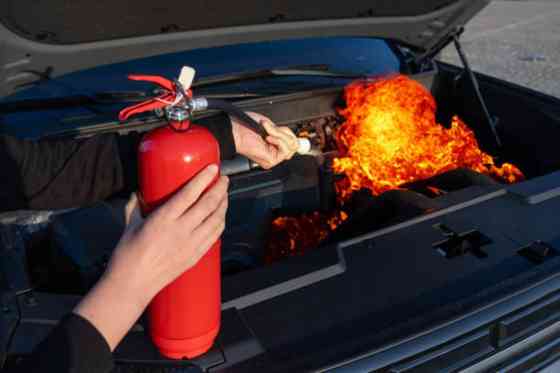
Once this happens, it is crucial to immediately look for a safe place to pull over, turn off the car, and safely exit the vehicle. Seek help or call 911 and look for any available fire extinguishers near the area to stop any fires from developing or spreading.
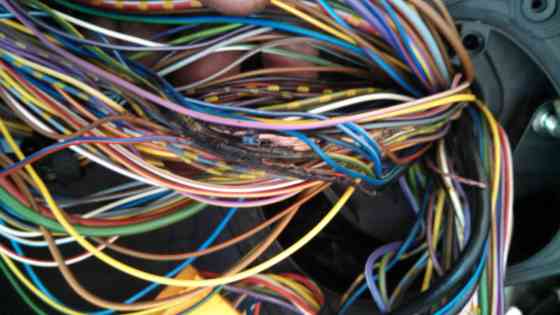
Don't make the mistake of trying to open the hood to avoid injuries, and it's never a good idea to use water to put out an electrical fire, as it can short the wiring and spread any burning fuel. No matter how small and even if it stopped, there's no point in using it; have the vehicle towed to a repair shop to prevent further damage or fire, as electrical failures can become dangerous and catastrophic.
How to prevent electrical issues from plaguing your car
Preventing electrical problems in your car involves regular maintenance and choosing quality accessories with proper installation.
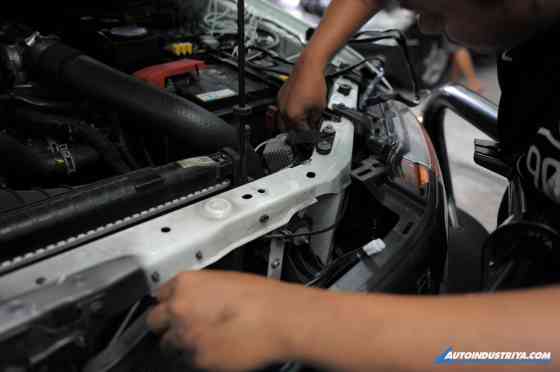
Choose quality car accessories and be cautious with budget meal prices and second-hand items
Whenever you're buying electronic car accessories, such as lights, head units, horns, and other related items, always put quality ahead of budget meal prices. Cheap or counterfeit electronic products might save you money, but they can lead to electrical issues, compromise your safety, or even void your vehicle’s warranty.
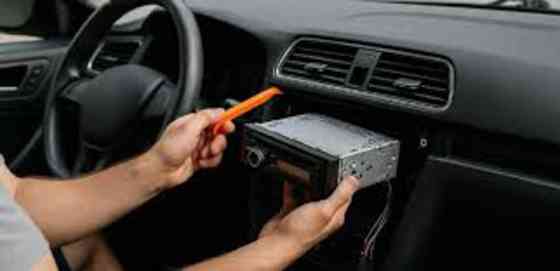
Before making a purchase, ensure the accessory is fully compatible with your vehicle, both in terms of electrical output specifications and dimensions, to make sure it fits. Always choose reputable brands that offer reliable warranties. A solid warranty not only reflects the manufacturer's confidence in their product but also gives you peace of mind in case something goes wrong down the road.

Choose a reputable shop to install car accessories
With car accessory shops on nearly every corner, choosing the right installer is just as important as choosing the right product. A reputable shop ensures your accessories are installed properly, without damaging your vehicle’s electrical system or risking voiding the car manufacturer's warranty.
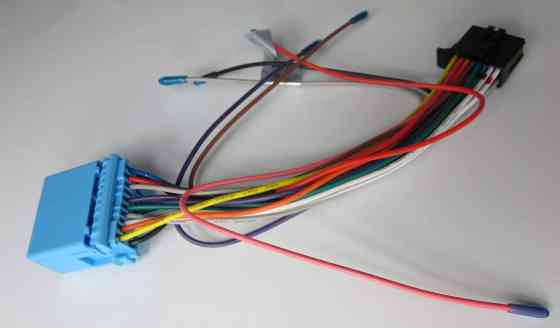
Modern car accessories are designed for plug-and-play installation using vehicle-specific wiring harnesses for basic components such as the head unit, horns, lights, and more. This approach eliminates the need for unsafe installation methods, such as splicing factory wiring or twisting wires together with low-quality electrical tape, all of which can lead to failures, short circuits, and even fire hazards.
Professional installation ensures safety, performance, and long-term reliability, so it’s essential to choose a shop that practices proper installation procedures. Your vehicle and your safety deserve nothing less.

Regular vehicle maintenance and periodic inspections
Preventing electrical issues is more effective and affordable than fixing them later. Regular maintenance service, whether carried out at a dealership or a trusted auto shop, helps ensure reliable power and catches problems early. Key preventive steps include checking the battery, inspecting wiring and connections, and verifying proper grounding. Staying proactive keeps your vehicle running smoothly and saves time, money, and stress.
Like most car enthusiasts, I’m sure many of you have dealt with your fair share of pesky electrical gremlins in your cars. What’s the worst electrical issue you’ve ever run into, the kind that left even experienced electricians completely stumped, and how was it resolved? Please comment and share down below.