Switching to Electrified Drive: How do you pick the right one?

Which electrified route should you take?
Fuel prices have always been unpredictable, but the most recent adjustments have felt really brutal for Filipino motorists.
Just a few weeks ago, we were filling up our car's tanks without much thought. Then, the next thing, we suddenly find ourselves watching the numbers on the pump climb faster than our patience. Whether it be due to a global conflict or for other reasons beyond our control, it is getting more and more frustrating financially to rely purely on traditional internal combustion engines for our daily drive.
Naturally, this will push many buyers to look for alternatives - and that’s where electrified vehicles enter the conversation.
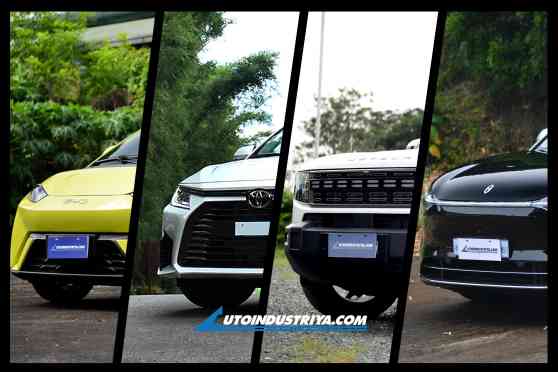
The Philippine market now has more electrified options than ever before. From hybrids to fully electric vehicles, there’s no shortage of choices for buyers who want to cut down on their fuel expenses. But as exciting as the technology sounds, choosing the right type for your needs isn’t always as simple as picking the newest thing on the market.
Truth be told, going the electrified route is not a one-size-fits-all solution. So which one should you pick?
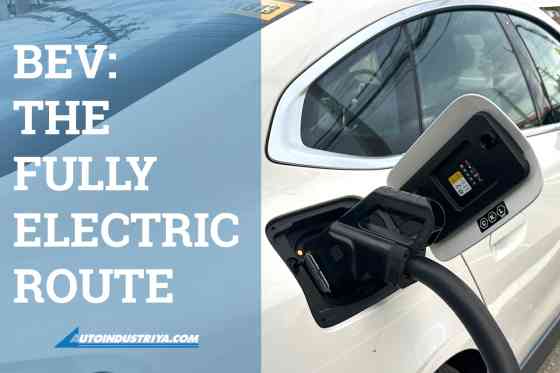
Take battery electric vehicles (BEVs), for example. As the name suggests, these are the ones that ditch gasoline entirely and run purely on electricity. There’s no engine noise, there are no fuel stops, and most certainly no tailpipe emissions. For the right kind of owner, switching to a BEV can be incredibly convenient.
But the keyword there is right. In the current Philippine setting, BEVs make the most sense if you live, work, or frequently drive around areas with reliable charging infrastructure. In short, owning a BEV is most convenient for those living and driving around business districts, shopping centers, or places where chargers are becoming more common. Add that to the ability of being able to charge at home overnight, and you basically have the convenience to start your daily drive with what essentially feels like a full tank of gas.
That said, charging stations are still pretty far from reaching gas station levels in terms of numbers outside the aforementioned areas, so there’s still the need to plan out your routes to make sure you don’t run out of battery juice when you venture out of your usual trip.
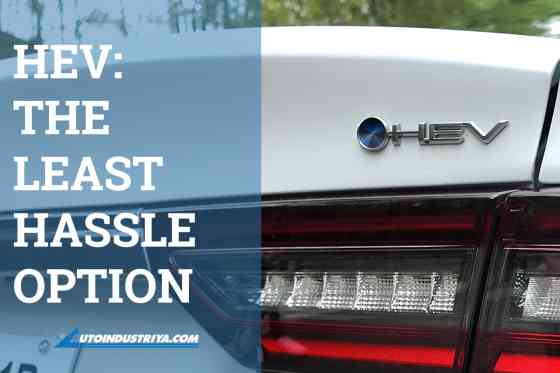
Then, there are the hybrid electric vehicles (HEVs), which, in my opinion, remain the most straightforward entry point into electrified vehicle ownership. Unlike BEVs, PHEVs, and REEVs, hybrids don’t need to be plugged in. The car and the hybrid system take care of everything for you, using regenerative braking and the engine itself to keep the battery topped up and maximize efficiency.
For most buyers who wouldn’t want to be bothered by reading owner’s manuals, and are used to driving traditional vehicles for the longest time, this simplicity is exactly the point. There’s no need to think about charging stations or adjust your routine.
In most cases, you just drive HEVs like any other car. Except that this time, it consumes significantly less fuel, especially in stop-and-go traffic. In a country like ours, where traffic jams are practically part of daily life, that’s already quite a compelling advantage.
Of course, there are drivers who want a little more of that best of both worlds. In ideal conditions, HEVs are mostly good enough to only travel for a few kilometers at best on pure electric power.
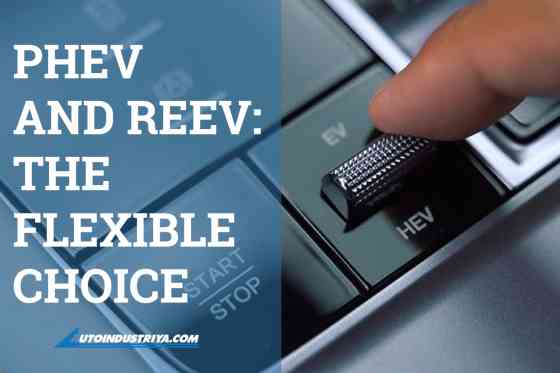
If your conditions require more kilometers in electric power, that’s where plug-in hybrids (PHEVs) and range-extended electric vehicles (REEVs) come into play.
These types of electrified vehicles give you the ability to drive longer distances purely on electricity than HEVs, and the ability to be plugged in to charging stations to top up the batteries. But in case you’re on the road, and the battery runs low, the gasoline engine steps in, much like HEVs, and allows you to keep going without worrying about failing to reach the next charging station.
The key difference here is that a PHEV can be driven by both its engine and electric motor directly, while an REEV uses its gasoline engine primarily as a generator to produce electricity for the motor.
If you’re the type of motorist who regularly takes longer trips like weekend drives out of the city or provincial runs, this flexibility works a lot to your advantage. There are the benefits of electric driving on short trips during the work week, while still having the range and convenience of a traditional engine when the journey gets longer.
However, unlike HEVs, PHEVs and REEVs will need to be regularly plugged in to maximize the fuel efficiency gains, not to mention the need for manual switching from pure electric to hybrid drive in some cases, to truly make the most out of the powertrain.
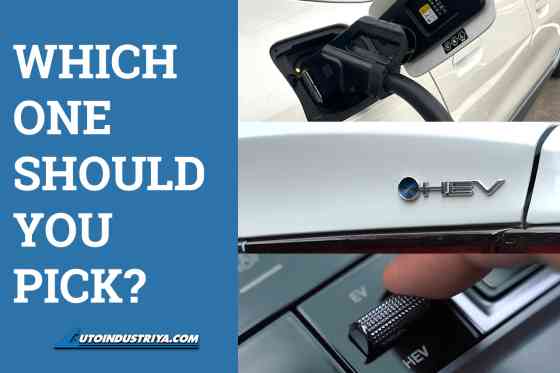
The point of electrification today is not about forcing drivers to buy into one solution, but rather to offer different technologies that will suit different driving scenarios and different lifestyles.
Some will find that a fully electric vehicle fits perfectly into their routine. Others will appreciate the no-fuss efficiency of a hybrid. Meanwhile, those who want electric capability without sacrificing long-distance confidence might lean towards owning a PHEV or REEV.
At the end of the day, choosing an electrified vehicle isn’t about going after the newest model in town or the one with the most advanced technology. It just boils down to finding the car that fits best with how and where you actually drive.
Have you thought of what electrified vehicle fits you best? Let's hear your thoughts in the comments.