Bad Batch: How to tell if you filled up on contaminated diesel

Acting quickly can mean the difference between saving or damaging the engine
Diesel engines bless pickups, SUVs, and heavy-duty vehicles with high torque, toughness, and lasting performance if maintained properly. But just like any internal combustion engine, such engines have vulnerabilities.
One of the major causes of diesel engine problems can be attributed to fuel-related issues. Ranging from contaminated diesel fuel or accidentally filling up with gasoline, these and more can result in fuel system failure and significant engine damage, turning an otherwise reliable engine into a costly repair bill.
Here’s the tricky part: a diesel fuel-related issue rarely reveals itself as clearly as other engine problems, making the latter easy to diagnose and fix. Most problems caused by bad diesel start subtly, with easily overlooked signs such as slight performance changes, unusual exhaust smoke, or a clogged fuel filter.
To understand why diesel fuel goes bad and how it can damage the engine, here’s a rundown of the major causes of diesel contamination, the common warning signs to watch out for, how to prevent it, and what to do to stop minor issues from snowballing into one major engine headache.
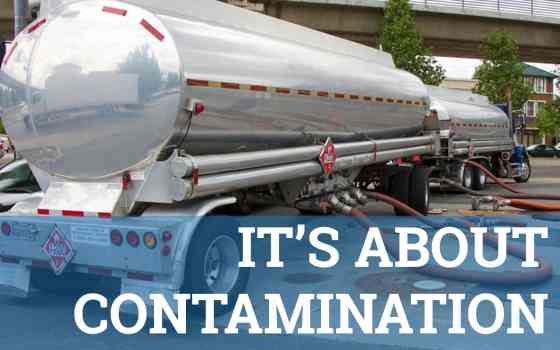
Contamination is the keyword here, and one of the most common contaminant situations is particulates in the fuel. This is the result of poor filtration during the production stage or foreign debris and contaminants introduced during storage and transportation, ultimately ending up in the fuel tank. Think of it like sand or dust you can see (or maybe not) in your mineral water bottle. That's never a good sign.
Speaking of water, that is also a very common contaminant in fuel. H2O and any fuel do not mix well. Water can end up in fuel during lapses in the transportation method, into the bunker storage at the gas station if the seals aren't proper, and many more. In the same way that water from a heavy downpour tries to find a leak in your roof, it also tries to find ways into fuel storage tanks, and can have a bad effect on your SUV.
When it comes to storage, the length of time a certain fuel is in a bunker or tank can also cause problems like oxidation. When that is the case, there could be a buildup of harmful sludge, acid, and varnish that can clog fuel filters, damage fuel injectors, and reduce engine performance.
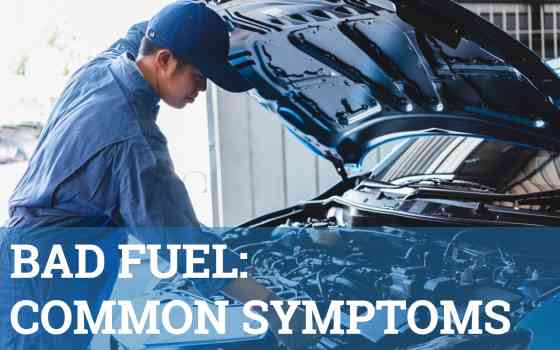
If the engine struggles to start or won’t start at all, and if you've isolated that it's not battery, starter, or caused by other factors, then the fuel may be the one to look at. Water or harmful sediments in the fuel filter and tank can (and will) interfere with combustion and fuel pressure.
Does the vehicle somehow feel more sluggish when accelerating, hesitant when overtaking, or idles more roughly than before? While these could be signs of something else, it's also very possible that you've got bad fuel in your tank.
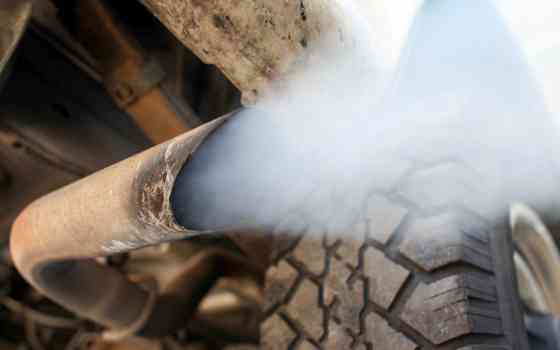
You can also take a look at the color of the smoke your diesel emits. White smoke isn't habemus papam, but rather it means it's trying to burn water. Black smoke, on the other hand, signals some kind of incomplete combustion that could very well be caused by bad fuel.
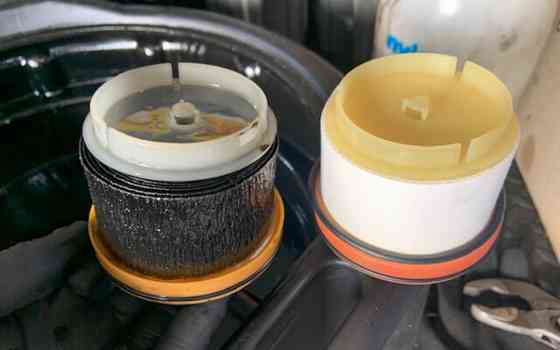
Perhaps the most telltale sign is the fuel filter itself. It actually just takes a look to see how clogged it is. Even the frequency could be an indicator, like if your technician recommends more frequent fuel filter replacement ahead of the preventive maintenance schedule, that could be a sign.
Even your ears could tell you all you need to know. Low cetane fuel, contamination, or improper fuel can disrupt ignition timing and combustion, causing the engine to emit knocking or unusual sounds.
But one sign that can't be missed and should never be ignored is a check engine or fuel filter warning light on the gauge cluster. Modern diesel engines are highly sensitive, and any issues regarding fuel quality or fuel pressure can quickly trigger the fuel filter warning light or the check engine light to turn on.
Follow your vehicle manufacturer’s preventive maintenance schedule to spot trouble issues early on. This is more cost-effective than expensive engine repairs.
Fill up from reputable gas stations that have high turnover, as this ensures their fuel supply is fresh, creating fewer chances of water developing in their underground fuel tanks.
Minimizing the air space inside the fuel tank helps reduce condensation, which occurs when water vapor turns into liquid droplets, one of the primary causes of fuel contamination. You do this by keeping your tank fairly full or avoiding keeping just the bare minimum at all times.
Make it a point to replace the fuel filter every oil change service or during the vehicle manufacturer’s recommended service interval, whichever comes first.
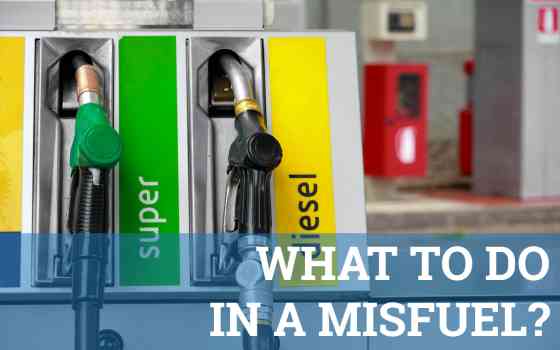
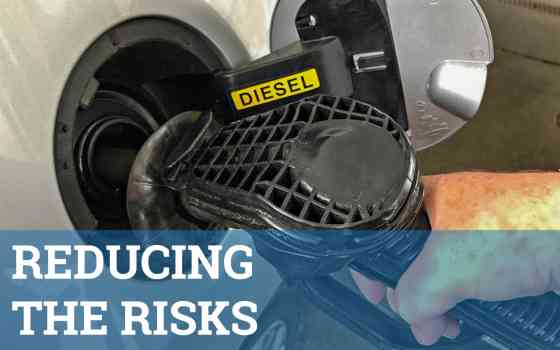
Filling up at a gas station might seem routine and straightforward, but what if a gas attendant accidentally dispensed gasoline into a diesel tank?
Of course, to avoid this, it's better to pay attention to which nozzle the attendant grabs and sticks into your fuel filler hose. This is also one of the reasons why it's a good idea to shut the engine off when fuelling in the first place. But if you made those two errors, what do you do? Here are some recommended steps to take, along with standard auto repair shop procedures, to help prevent further engine damage.
1. Do not attempt to start or drive the vehicle
2. If the gas station lacks a service area and a qualified mechanic, have the vehicle towed to a proper auto repair shop.
3. The fuel tank and fuel lines must be completely drained and flushed
4. Refill the tank with clean diesel fuel
5. Replace the fuel filter
6. Check/inspect fuel injectors and fuel pump for damage
7. If caught early, the damage is usually minimal

To keep your diesel engine running trouble-free, regularly follow the car manufacturer’s recommended maintenance schedule. This includes regular fuel filter replacement, routine fuel system inspections, and ensuring the cooling system operates within specified temperature limits.
More importantly, always double-check that the correct type of fuel is being selected by the gas attendant before he/she fills up. Whether the issue involves contaminated diesel or incorrect fueling, fuel-related problems can rapidly escalate into costly repairs. Recognizing early warning signs of engine trouble and taking the proper action can prevent severe engine damage and keep repair expenses under control.
Have you ever experienced filling up with contaminated diesel or being incorrectly fueled at the gas station? Share with us your fuel-related experiences and comment below.