Hiroshima through Mazda: A field trip for motorhead millennials

Fresh-faced motoring journalists let loose in JDM land
Picture this: You put together a bunch of 20-something year-old gearheads, then you let them loose in JDM land.
Imagine the inner child coming out. There's the overflowing energy, the bold enthusiasm, and of course, the busy phones with social media feeds full of car-spotting stories, landscapes, and food. That is the youthful exuberance that Mazda Philippines had to handle for a four-day field trip in Japan.
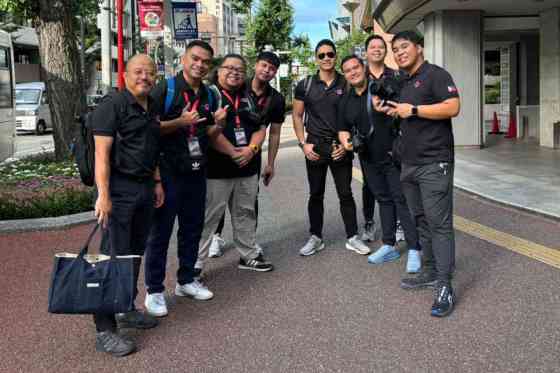
I’ve been told that Mazda PH has done this type of working trip many times before. People from the motoring media flew in along with members of the Miata Club Philippines to do a museum tour and visit the Mazda headquarters. But for the first time, they have themselves a group of fresh-faced individuals in the motoring beat - even Mazda PH president and CEO Steven Tan would admittedly call himself the “tito”, or the uncle of the group.
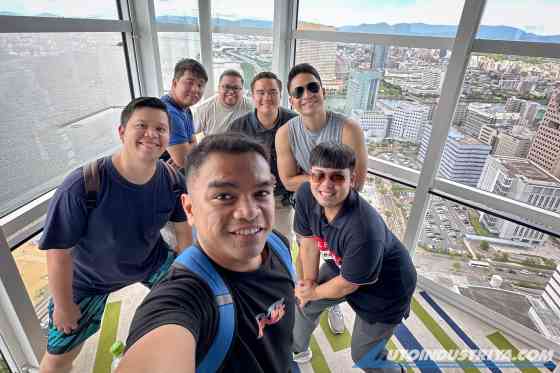
Most of us in the group have been to Tokyo recently because of the Auto Salon or the Mobility Show, but it’s the first time many of us have seen this side of Japan. Mazda took us to a historically significant place from a bygone era – Hiroshima.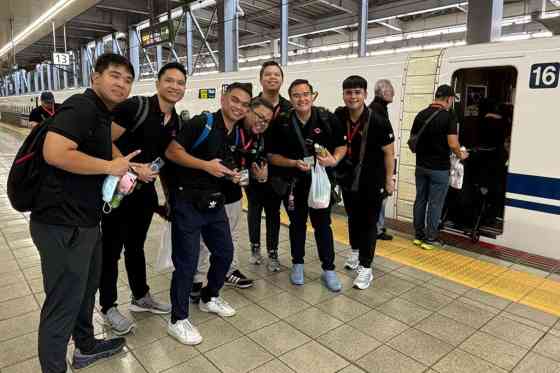
From Fukuoka, you can reach Hiroshima via bullet train in about an hour. As we were onboard the shinkansen, I was particularly curious about what Hiroshima looks like in the present day. Honestly, I’ve only read about Hiroshima from history textbooks back in high school – and that was about 16 years ago. I can tell not a lot of people would remember what happened there in the final months of the Second World War – well except if they’ve recently watched Oppenheimer.
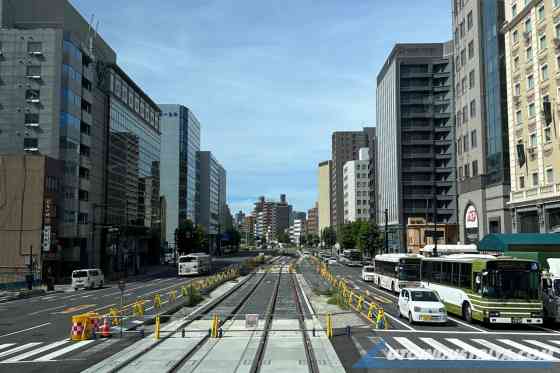
When we arrived, I was surprised at the sight of a bustling city. In fact, the city of Hiroshima today barely gives any hints that at one point in the past, most of the areas we walked on were reduced to rubble when Uncle Sam decided to drop Little Boy. The Genbaku Dome and Peace Memorial are perhaps the only remnants of that.
But as I've learned, even before that fateful day in August 1945, Hiroshima was already an industrial city that also served as a key port for shipping. And somewhere at the eastern end of the Ota River delta in Fuchu stood a cork-making factory that would eventually transform into a plant that makes the MX-5 roadster for the global market.
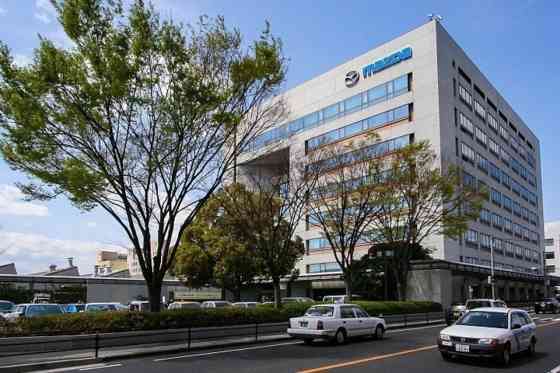
I wish I had the pictures so I could further share what the Mazda Motor Corporation factory looked like, but of course, company policies protecting trade secrets prevented us from doing so. You can tell from the patina in the metal panels that most of the structures have already been there for a very long time. The Mazda factory was a few kilometers away from the atomic bomb's hypocenter so most of the facilities survived the blast, but only just.
It’s also interesting how two areas of the factory were split by a river, and you had to cross Mazda’s own Skyway Stage 3 called the Toyo Ohashi Bridge to reach the other side. It turns out, the other side of the bridge is actually where the Mazda Museum is located.
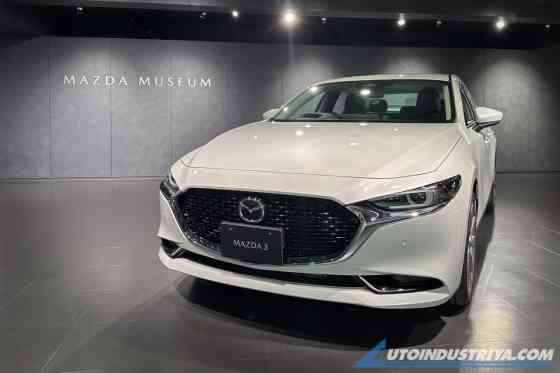
It’s very different when you get inside the Ujina No. 1 plant, as it has an interior with the signature minimalist style normally associated with modern Japanese architecture. That’s very much the starting point for us in discovering Mazda's unique automotive history.
Most of us were born in the '90s, so you can tell everyone was looking forward – actually, excited, to see Mazda’s icons from that era. And eventually, yes. We would get the chance to see brand new examples of the RX-7 Efini and the last Spirit R version, but not before knowing what Mazda used to make.
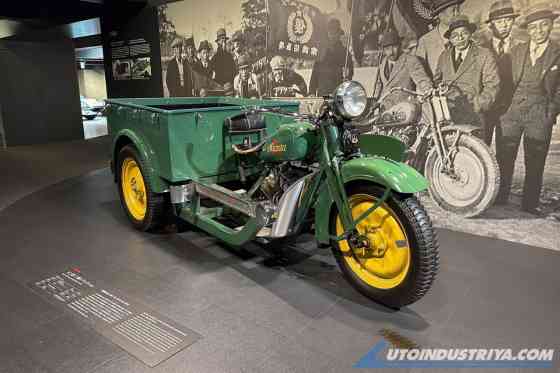
Before Mazda became synonymous with rotary engines, they made corks and machine tools. Then after 1945, Mazda’s three-wheeled trucks were roaming around the streets of Hiroshima to help the economy get back up on its feet. It wasn’t until the 1960s when Mazda vehicles finally had four wheels and four seats with the R360 – a two-door kei car that could very much be mistaken for a Little Tikes toy on the road given how small it is.
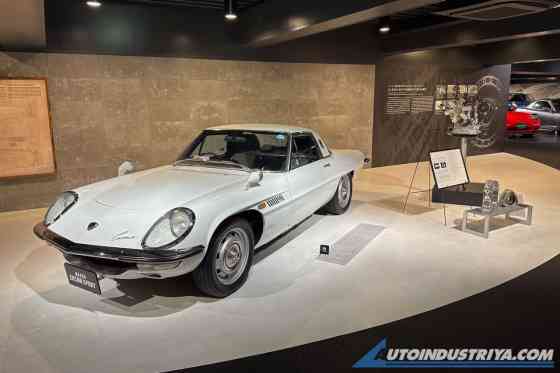
As the vehicles on display at the museum got more modern as we walked through the succeeding zones, the more the vehicles started to become familiar to our millennial eyes. Back then I only saw vehicles like the Cosmo Sport, the Savanna RX-7, and even the 1991 Le Mans-winning 787B in Gran Turismo, but finally, it was right there in front of me. The only thing missing really was to hear those rotary engines scream, along with the smell of premix oil.
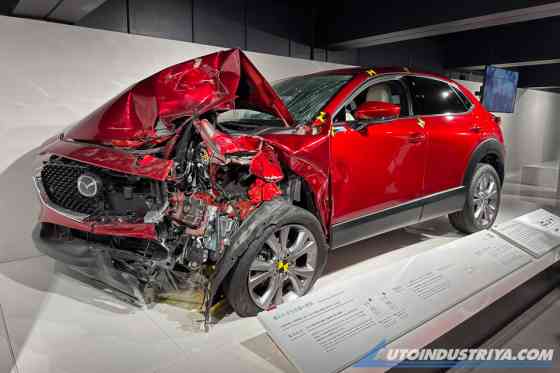
After going through the cars that were within our age group, that’s when we entered the Skyactiv era zone. These involve the cars we're no longer driving in video games, but rather through our profession as motoring journalists. These are the cars we review back home, and the main highlights this time were not exactly about their performance, but the technology and the manufacturing that goes behind every modern Mazda that’s being made.
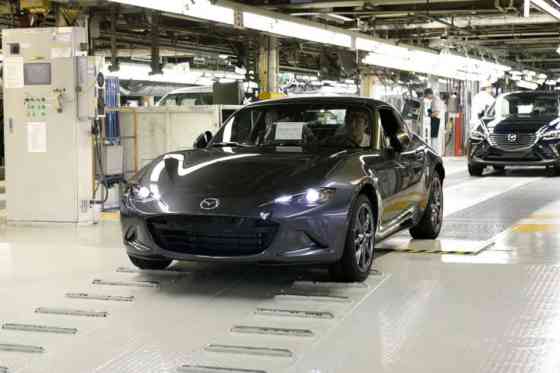
As an engineering major, I would have loved to spend more time at the factory and learn more about how they were able to utilize the assembly line to make multiple models at any given time. You could see a couple of MX-5s followed by models like the CX-5 and CX-8. Mazda’s annual production is modest compared to the likes of Toyota, but this flexible approach to manufacturing allows the brand to keep up with what the market demands and thrive.
Right at the end of the museum tour, we also saw how the Mazda factory’s strategic location allows them to transport cars from the final assembly line to carrier ships docked within the facility. For cars that are yet to be shipped, they are being stored in Mazda's multi-level parking buildings. That's the reason why when brand-new Mazdas roll out of dealerships, they usually have around just 4 to 7 kilometers on the odometer.
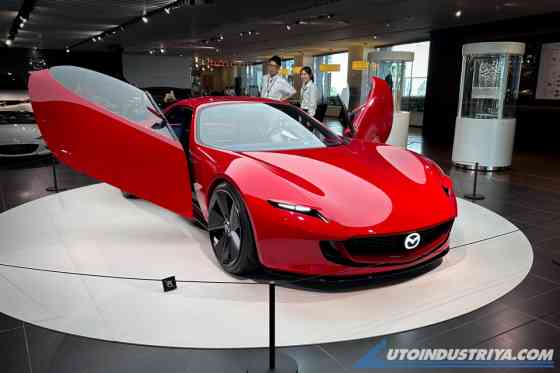
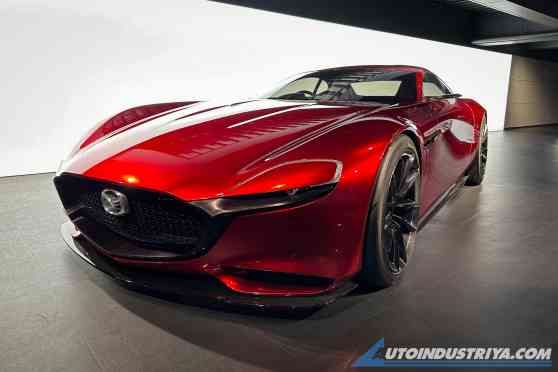
Seeing the way Mazda builds their cars leaves me excited for what's coming in the near future. I heard they've recently revived their rotary engine division, and the Iconic SP concept is looking a lot like the new RX-7 for the electrified age. They haven't told us anything about any release dates yet, but I'm pretty sure Mazda's takumis (Japanese speak for master craftsmen) are just taking their time to mold the new model into a beautifully crafted one - just like the RX-7s, the Miatas, and Cosmos that came before it.
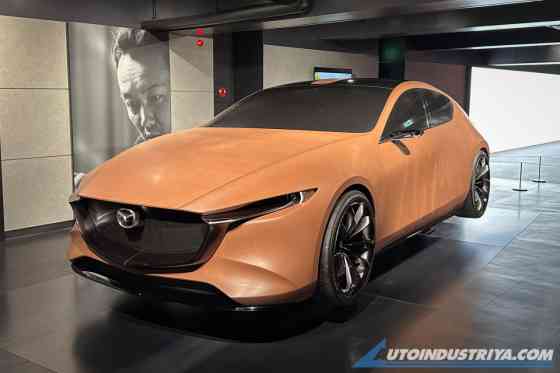
After going through all the Tomicas, the Pokemons, the Gundams, the fami-chikis, the konbinis, the tonkotsu ramen, the numerous pictures, stories, and the impulsive shopping, I think the most valuable souvenir in this trip is that we could learn a thing or two with Mazda’s dedication and monozukuri.
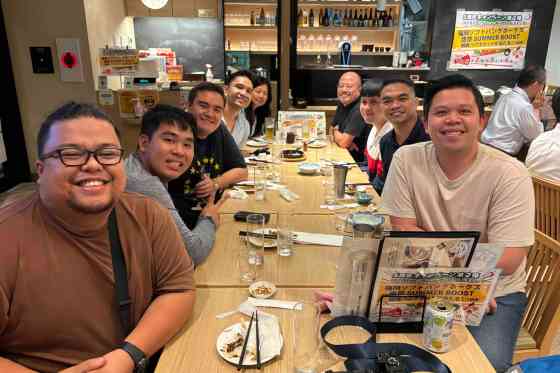
Every person Mazda brought here on this field trip is still at the start of their careers, myself included. Our generation is young, hungry, and I believe we all want that instant path in being great. But when things don't go right, most in our generation would have the tendency to run out and head towards the nearest exit.
The story of Mazda, the city of Hiroshima, and Japan as a whole teaches us about the art of perseverance. There could be a time where we'll come across a low point in our careers, and life in general. But given time, dedication, and effort, we'd eventually rebuild ourselves so we could thrive, and rise higher than ever before.