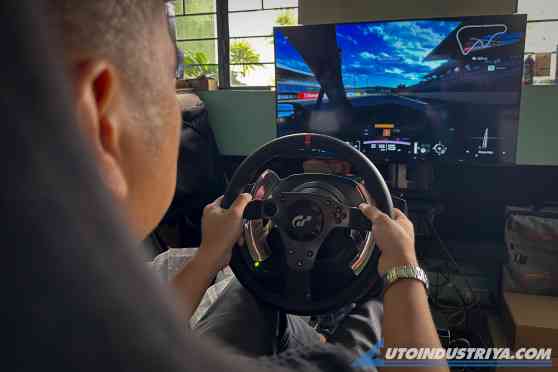
Can sim racing help me get better on the road and track?

Sim racing tips you can use in real life
When you want to experience the thrill of motorsports without the expensive spills, sim racing is the way to go. Nowadays, it’s even being used as a ladder, or a bridge, for you to transition into real-life racing.
The nice thing about sim racing is that it’s very much more accessible than going to a track. Those cover the costs, the hours, and of course, there’s a restart button in case you crash. But take it from a guy who went from sim racing to real life – sim racing actually gives you a really good basis to start on as you get ready for your first race.
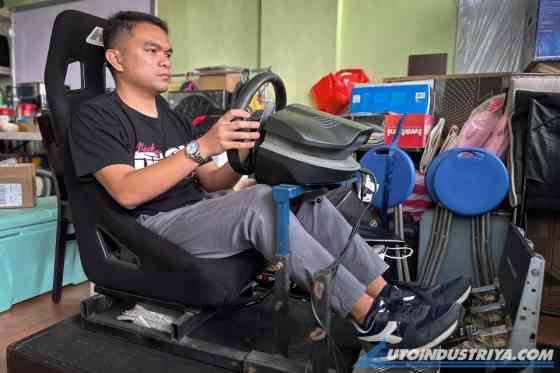
A Proper Sim Rig Teaches You The Ideal Driving Position
In the sim racing market, there are a lot of rigs in the market to choose from depending on your budget. There are space-saving ones that you can fold after you play, right down to hardcore simulators with hydraulic actuators to simulate a car’s movement. But either way, the sim rig helps a lot in teaching you the ideal driving position.
Since you’ll be spending a lot of hours playing, you wouldn’t want the wheel and pedals to move away. Not only is it tiring to do, but it also prevents you from making precise and consistent inputs, especially with strong force feedback from the wheel itself. Those unnecessary movements and adjustments in your seating position can take away your focus in driving, which can also prove dangerous when it comes to real life.
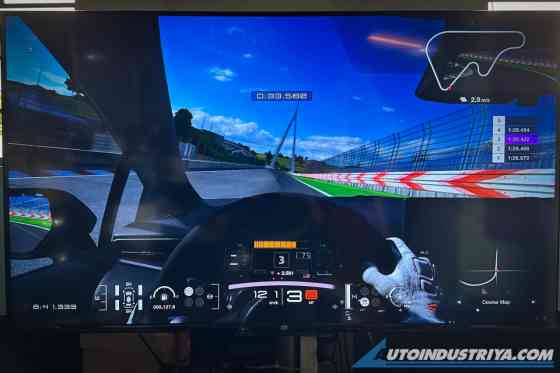
Sim Racing Forces You To Widen Your Field Of View
You can always compete in sim racing using a single monitor setup. But have you ever wondered why professional sim racers utilize a triple-screen setup? Well, that’s all because of three words – Field Of View.
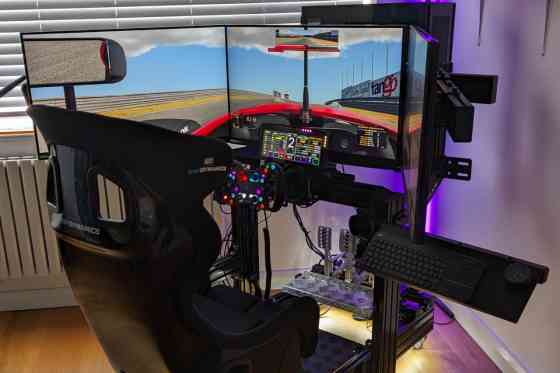
With a triple-screen setup, you can basically see as far out ahead as the sim can possibly render. And what does that do for your driving? It helps you get a better judgment on how to tackle the incoming corners. Not to mention, it helps you position your car well and judge a nice distance relative to other cars when you find yourself racing side-by-side against other players.
It’s actually a technique you can adopt in real life, both in track driving and in daily motoring, as it helps you prepare and react to what could possibly happen in front of you. Think of it as a way of turning you into a defensive driver – you know what’s going to happen before it happens.
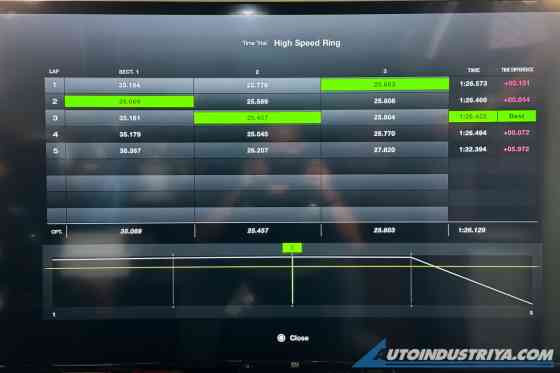
Sim Racing Helps You Learn How to Read Telemetry
Huh? Telemetry? What’s that? Glad you asked. The telemetry is a tool that records your inputs on the wheel, and the pedals, and provides data for you to fine-tune your driving. It says where you’re being fast, and where you’re being slow compared to the data of others. It basically gives a better assessment of how your driving performance is.
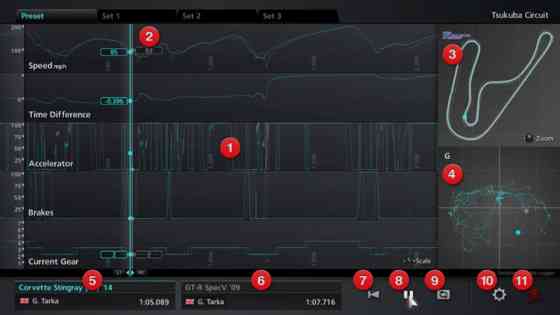
In sim racing, that’s a very common feature that helps you to clock in faster and more consistent times. And because they call it sim, the techniques you learn from reading telemetry are also applicable in real-life situations. Just like I did at the previous round of TGR Philippine Cup. My driving nuances were corrected, and as a result, I was way faster while being less fatigued behind the wheel.
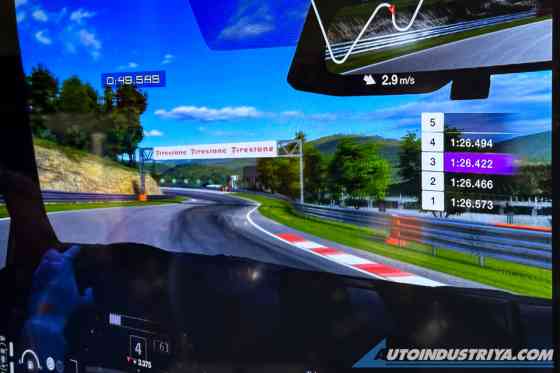
Sim Racing Teaches The Importance of Seat Time
Ever wondered how Charles Leclerc or Max Verstappen can clock in nearly identical lap times for multiple laps in an F1 car? That’s a trait they have mastered by putting long hours in the sim. With the limit in F1 testing, that’s where they log in a lot of seat time.
You see, the more hours you spend on the sim, the more you get to know what the virtual car can do, and the more you explore where the limit is. The same goes in real life. The more you spend time with a car around the track, the more you know where its limit is. You really can’t expect to be as fast as the pros without ever practicing, much like you can’t climb in the ring and expect to win against Pacquiao because you think you can box.
But of course, it’s more than just clocking laps around the track without a reference. Practicing the right techniques and being smooth on your inputs will naturally develop a “muscle memory”, and grow your confidence further. You’re putting in practice so when you approach a corner or get into a particular scenario, it becomes second nature and you won’t need to think of what to do. It’s basically close to doing instinctive driving. So come showtime, all you have to think of is how to go as fast as you can.
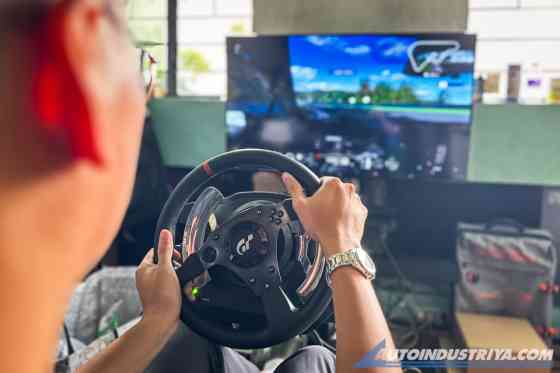
Sim Racing Teaches You To Be Smooth
Much like real-life vehicles, there are driving assists in sim racing designed to take over when you start to lose control. But while they do the job of keeping you on the black stuff, these driving assists won’t make you go any faster.
That’s why most professional sim racers prefer driving with very minimal driving aids, as it allows you to naturally master the optimal movements on the pedals and the wheel while remaining in total control of the car. When you do that and make less mistakes, you build a feel for the virtual car along with the confidence to go faster.
As they say, smooth is fast. But also, being smooth makes you less fatigued since you’re naturally flowing with the car, not forcing it to do things it doesn’t want to do. In a sense, that’s also applicable in real life as you wear out your brakes and your tires less when you’re being smooth with your inputs.
So there you have it. Given time and practice in sim racing, you could be on your way to unlock your potential not just on the sim, but also a better driver overall. And while you’re at it, please don’t forget to have fun!