Tankful of fumes: Is driving on low fuel bad for your car?

Driving with low fuel: Just how bad is it and will it damage the car?
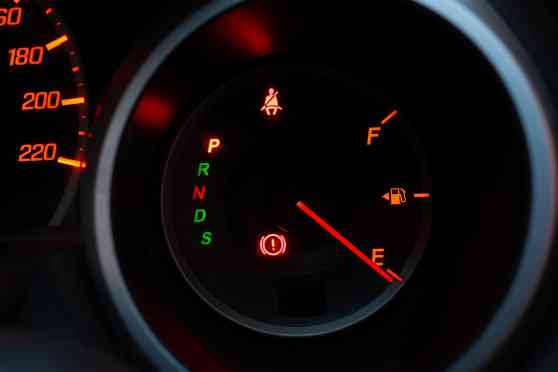
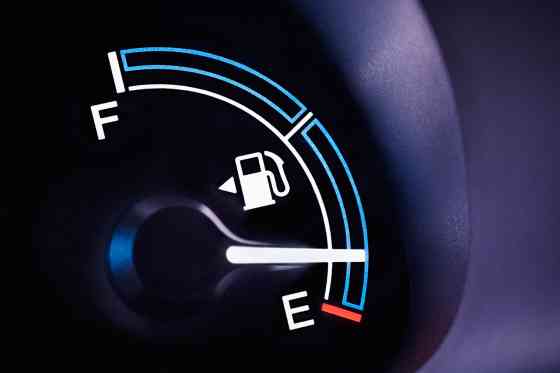
While popular American singer-songwriter Jackson Browne created his classic hit song with the same title, for car owners, it isn’t necessarily a good thing to do or practice. Admittedly, we’re all guilty at one time or another of having driven our cars with low or nearly empty fuel levels. Not just low, like ¼ tank remaining, but going way past below the last line, and enough to light up the empty gas warning light.
We all know that a fuel warning light that just came on doesn’t really mean it's empty right away. This is probably the main reason why most drivers opt to push a little further, pressing the limits of what their cars can do. It could be just for the thrill of it, but no matter how outrageous the reason may be, for not filling up, and while it may not be intentional, regularly driving on a tank that's nearly empty will surely have negative effects over time on your car’s well-being.
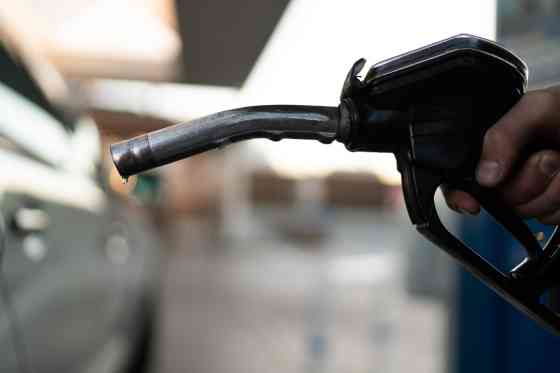
For those who like to drive on the edge with the empty gas warning light lit, here are some damaging effects to the engine that could happen. So, after reading this you just might want to reconsider, before trying to ditch every gasoline station you come across for the chance to fill up.
Fuel Pump Damage
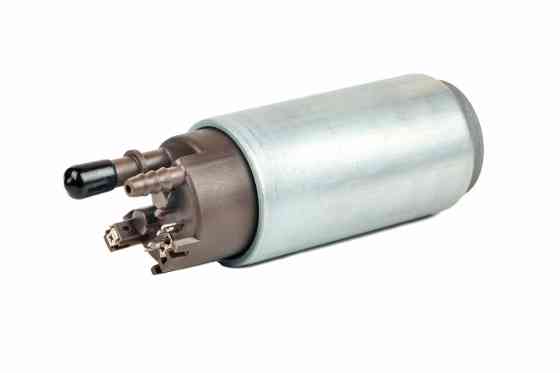
The in-tank fuel pump is designed to function with a certain amount of fuel because it cools and lubricates the pump as the gas flows through. Running it drastically low on fuel will cause the fuel pump to draw air instead of fuel. When this happens, the fuel moving through the mechanism won’t be enough to cool the pump. In order to keep the fuel pump functioning properly, it must be adequately submerged in gasoline, requiring at least 1/4 tank fuel level.
While most diesel-powered cars have external fuel pumps, this doesn't mark you safe from possibly damaging it if you have low fuel. External pumps can still draw air if you're running close to empty which can be detrimental to the fuel pump.
Clogged Fuel Filter
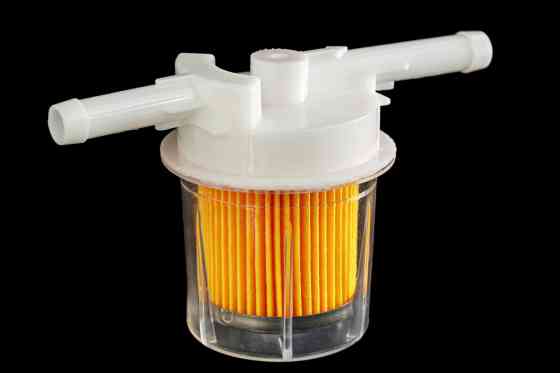
Found on many modern cars is an in-tank fuel filter that’s designed to prevent foreign debris or sediments that are normally found at the bottom of the tank from reaching the fuel pump. Some vehicles (particularly diesel vehicles) may have two filters; the primary in-tank or pre-filter and the one under the hood just before the common rail.
Since the fuel level is very low, the pump will work hard to siphon every last ounce of fuel it can push. This includes any debris and particles that could clog the fuel filter. This in turn will now cause an inadequate supply of fuel to the pump, making the engine stumble as it overworks the pump, and create an abnormal condition known as engine knock.

Engine Knock
When the engine’s not getting enough fuel supply, this creates a lean air-fuel mixture. This simply means that there’s more air than a given amount of fuel. Coincidentally, this also causes engine knock or tope, which may cause long-term engine damage. While it may be attributed to several factors, one of them is a faulty fuel pump that might be overworked, or clogged by foreign debris caused by low fuel tank levels.
Air in the Fuel Lines
Running with a nearly empty fuel tank can introduce air into the fuel lines, which can cause the engine to misfire or stall. Air pockets can also create pressure issues within the fuel system, leading to erratic engine behavior and reduced performance.
Bottom Line
So how low should you let your gas tank get? It really isn't advisable to drive your car regularly with the needle bordering on E. How much fuel is too little? Fortunately, the refuel warning light should serve its rightful purpose. When it comes on, fill up as soon as possible.
My advice? Just don't let the fuel run low. Don't wait for the fuel light to come on.