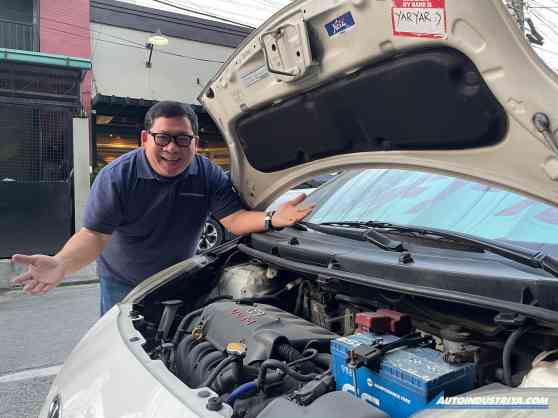
Auto 101: What to check after driving through a storm?

Post-storm car inspection: What to check after driving in heavy rain
After days and weeks of navigating near-zero visibility conditions and dodging flash floods brought on by torrential rain, the skies have finally cleared, and the sun is out. But before heading off to the nearest car wash, it’s worth taking a few extra minutes to perform a quick vehicle check for any signs of potential damage.
You must be wondering why you should check your car even if you managed to avoid deep water or flooded roads. But here's a fun fact: cars are not 100% watertight. There are always gaps or seals to worry about, and water always tends to find a way around, through, or in. The longer the exposure to heavy rain, standing water, and muddy streets, the more chances that water can impact certain components of your car. For trouble-free driving, here’s a simple checklist to help you assess some of the most critical areas of your vehicle.
EXTERIOR CHECK
The body of your car is your first line of defense against the elements, so it's good to give it a good walkaround first and start an inspection. Of course, if you spot anything serious like rust, then that would involve a more serious and professional job, but for a lot of things, it could be DIY, and it starts with an inspection.
A) Examine Weather Seals and Gaskets
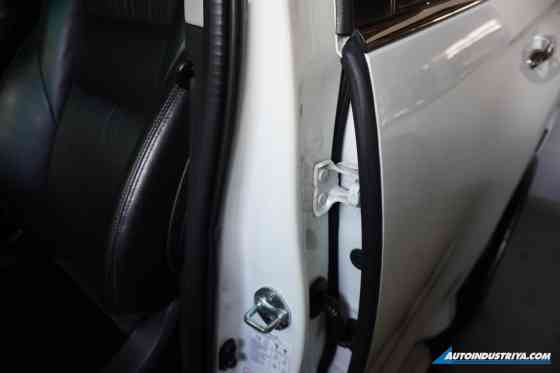
Weather strips wear out over time; even quicker under the intense light and heat of our region. So be sure to inspect the weather strips found along the vehicle’s body and the rubber seals around all doors and the trunk area. Some cars are actually prone to having leaks coming from taillights into the trunk or cabin. Look for signs of damage on the rubber itself, such as cracks, brittleness, or signs of wear. Also, check for water pooling in the door sills as damaged rubber seals can allow moisture to enter, potentially leading to rust, corrosion, and interior damage.
B) Lighting Issues
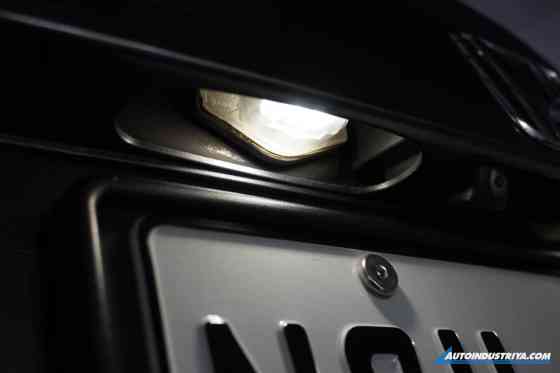
Turn on all the vehicle's exterior lights to confirm that all light bulbs are in good working condition. Also, take a moment to inspect the inside of each lens housing for any signs of moisture or water accumulation. Condensation or water buildup inside the housing can reduce visibility and may indicate a cracked lens, a damaged seal, or a worn rubber gasket. Addressing these issues early can help maintain optimal lighting performance and prevent further damage.
C) Unusual Sounds
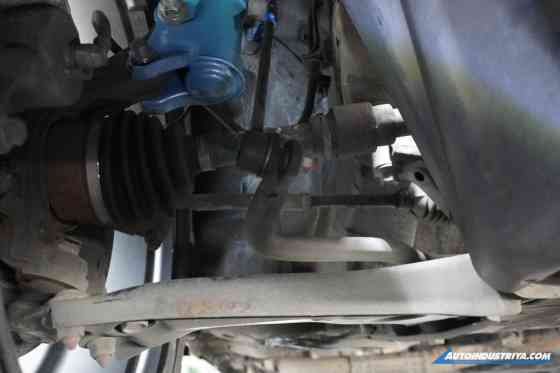
Recall the last time you drove your car: did you notice any new, unusual sound? Stay alert for any indicator like this, as any nose could indicate what you need to inspect. Sounds like squeaking, grinding, or knocking may originate from the suspension or brake components and could signal underlying mechanical issues. If you notice any of these abnormal noises, it's best to have your vehicle inspected by a qualified mechanic to ensure safe and reliable operation.
INTERIOR CHECK
It's always a nightmare for any car owner when water gets into the cabin. A lot of things inside a car don't react too well to water, so it's always good to do a quick check after driving in downpours for any water that may have made its way inside.
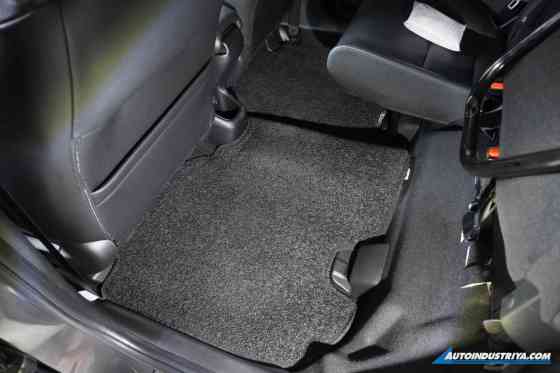
A) Check Floor Mats and Carpets
Take out all floor mats, especially if they feel damp or wet, and hang them out to dry, preferably under the sun to completely prevent moisture buildup inside the vehicle. While the floor mats are out, inspect the carpet and underlying padding for any signs of water seepage or lingering dampness that may have occurred, caused by leaks from wet umbrellas and raincoats used during the rainstorm.
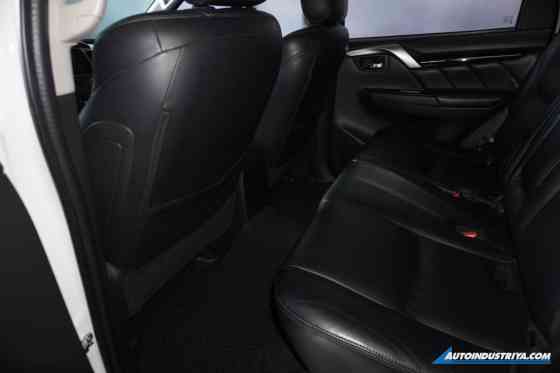
B) Inspect Upholstery
Check the seats, door cards, and other upholstered surfaces for signs of mold, mildew, or musty odors. These are common issues that plague the car's cabin during the rainy season when moisture meets poor ventilation. Simply spray all-purpose cleaner and use a microfiber towel to remove any visible mold stains from all affected surfaces. Also, take note of any water stains or damp areas, which could point to leaks from worn or damaged door or window seals.
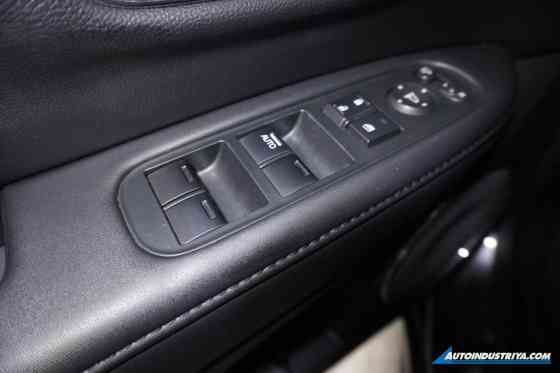
C) Test Power Window and Door Lock Switches
It may not seem like it, but the electricals in doors are very vulnerable to rain. Rainwater always gets inside the door because of the gaps in the window seals, which is why carmakers design the doors to have drainholes in the bottom. So, that means the motors, wiring, and circuits that may be installed in the door need some attention.
Operate all power windows, door locks, and power side mirrors from their respective switches to ensure everything is functioning normally. A delayed operation or malfunction could be a sign of water intrusion affecting the mechanical and electrical components. For smoother glass window operation, spray silicone oil on the window channels and rubber seals.
UNDER THE HOOD
Now we check how things are going under the hood. The most obvious would be to check for any kind of debris under there like leaves and twigs, but there are more checks you can perform for free at home so you know how your car is holding up.
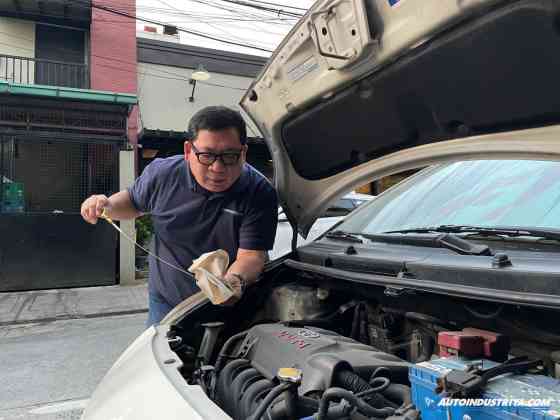
A) Engine Oil and Transmission Fluid
Begin by checking the engine oil level and condition using the dipstick. If the engine oil level is within the proper range, examine its color and consistency. A milky or cloudy appearance may indicate water contamination, while dark, thick, or sludgy oil could suggest it’s time for an oil change, even if you're within the oil change service interval.
If you can reach it, try to check the dipstick for the automatic transmission (if your car is A/T). A car's transmission always sits lower to the road than the engine, so it's worth a check. Same drill: look for water. If there's none, move along.
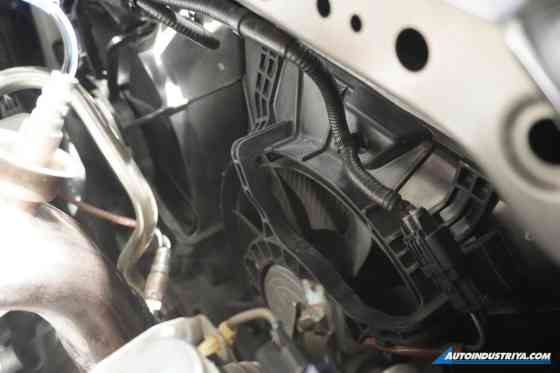
B) Radiator Area
Inspect the radiator, cooling fans, undertray, and nearby suspension components for foreign debris such as leaves, plastic, or mud that may have lodged or accumulated while driving through dirty floodwaters. Such debris can block airflow going to the radiator and A/C condenser, or may interfere with the operation of the cooling fans and drive belts. These are all potential causes of engine overheating and other mechanical issues.
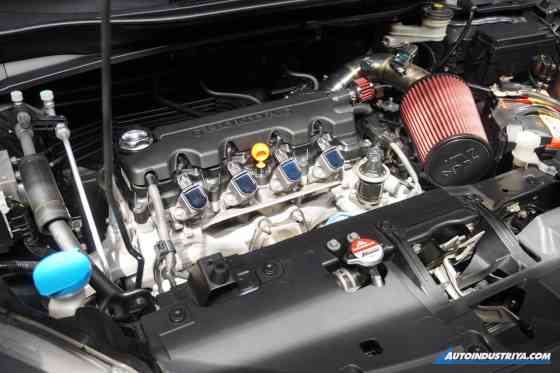
C) Engine Bay Cleaning
If the vehicle has been driven through a lot of flooded areas, it’s highly recommended to have the engine bay thoroughly cleaned. Mud, silt, and dirt trapped around the engine can cause corrosion and interfere with electrical connections or moving components. A clean engine bay helps ensure everything functions properly and reduces long-term risks.
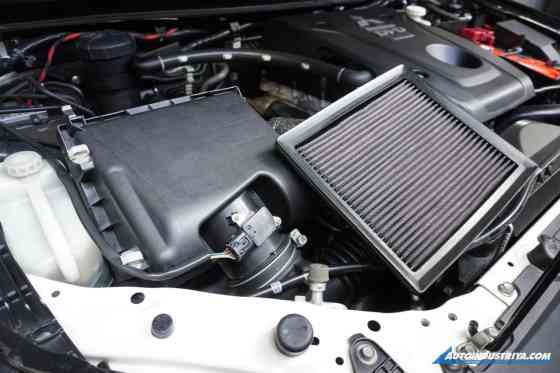
D) Air Filter
Remove the air filter from its housing and inspect it for any signs of water or excessive moisture. A damp or soggy air filter restricts airflow and can cause engine performance issues. Worse, if water were sucked into the intake, it could lead to serious internal engine damage. Immediately replace the air filter if it appears damp and dirty to remove any doubt.
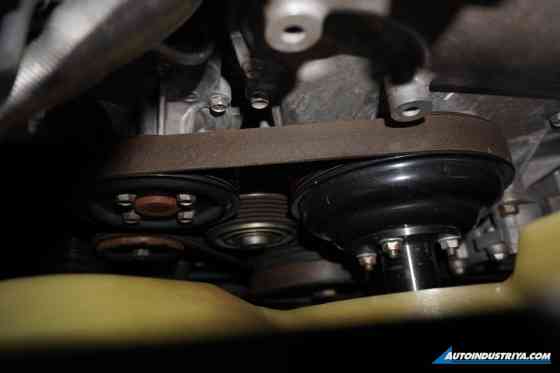
Drive Belts
Start the engine and listen for unusual sounds coming from under the hood. These range from squealing, chirping, or squeaking noises that may be coming from the drive belts and pulleys. These abnormal sounds could signal a damaged belt, tensioner, or worn-out bearings. Such issues should be addressed promptly to avoid failure of essential systems like the alternator, power steering, or air conditioning.
-
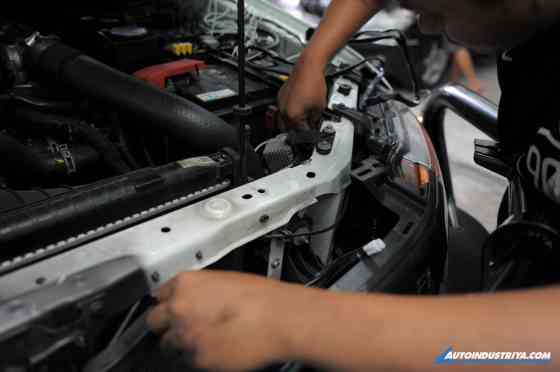
Performing these basic car checks can go a long way in preventing long-term damage and ensuring your car remains safe, efficient, and roadworthy. And if you spot anything unusual, hear or feel something is off while driving, don’t ignore it. I highly recommend bringing your vehicle to a reputable auto shop for a thorough inspection by a qualified mechanic.
While this is especially important during the rainy season, routine checks shouldn't be limited to wet weather. Regular car inspections should be a year-round smart habit, no matter the weather conditions, for trouble-free driving.