Auto Wrap: The legalities of this popular aftermarket car mod

Color change? Know the rules before having your car wrapped
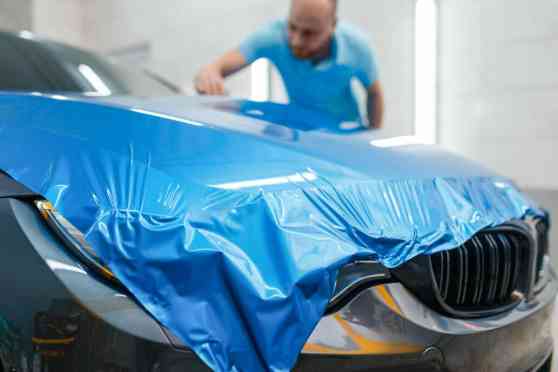
Bored with your car’s color? Ready for a completely new look? Chances are, the idea has crossed your mind at some point to try automotive wrap.
Unlike traditional automotive painting which involves component disassembly and masking, as well as weeks or even months of downtime, most wraps can be completed in just a few hours. More importantly, it only costs a fraction of what a traditional, quality repaint would require. This is why it's a popular, cost-effective and reversible way for car owners to refresh their vehicle’s tone and hue.
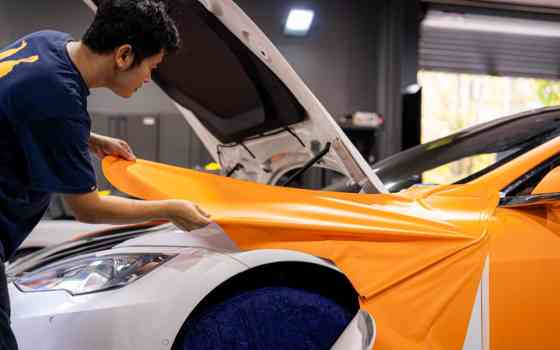
Whether it’s a blacked-out roof, a bolder shade of color, or a custom livery for a theme, racing, or business branding, vinyl wraps offer a striking exterior makeover, without the permanence.
Vinyl wraps aren’t just about aesthetics; these can also serve as a protective barrier. Typically measuring between 2 and 4.5 mils (about 50–115 microns), a wrap effectively shield the original paint from scratches, aging, discoloration, and other paint defects. Some are even engineered to provide exceptional chip and scratch protection.
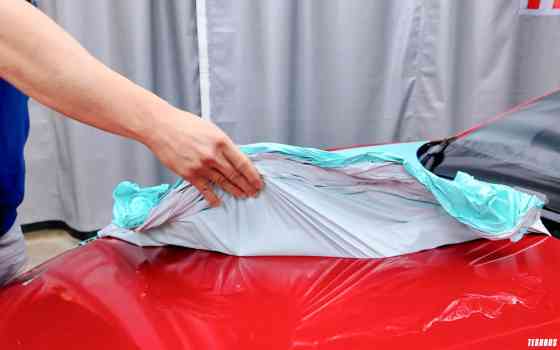
Repairs are straightforward with wraps: if a panel becomes deeply scratched or damaged, only the affected section needs to be removed and replaced, saving both time and money.
Indeed, vinyl wraps provide major benefits such as, greater customization, added protection, quick repairs, and lower cost and short installation time. The only trade-offs are a shorter lifespan of 5–8 years compared to the durability of permanent paint and the legal considerations that comes with changing a vehicle’s color... or does it?
The Legal Catch: Color vs. Registration Records

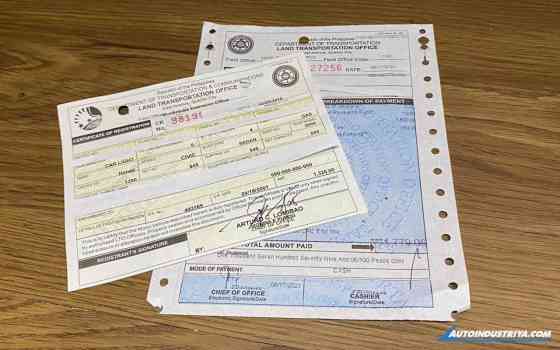
This conflict of information between the color indicated on the CR and OR and the color of the wrap installed may cause discrepancies that could happen during roadside vehicle inspections conducted by the Highway Patrol Group (HPG), Inter-Agency Council for Traffic (IACT) operations or annual LTO vehicle registration renewal.
Heck, you could get a ticket from an LTO or HPG official for an improper lane change, obstruction or any other unrelated charge, and the moment they spot your CR and see that the carpet doesn't match the drapes, they can tack on an unregistered color change charge if they're not in a forgiving mood.

When is it necessary to register a Color Change?
The key factor here is a change in the dominant color. You must process an LTO 'Change Color' transaction if the vinyl wrap completely alters the vehicle’s overall or dominant color, making it significantly different from the color and shade as indicated on the CR and OR."
Examples: WHITE paint to BLUE wrap, SILVER paint to RED wrap, YELLOW paint to BLACK wrap.

When is a Color Change not necessary?
If the vinyl wrap does not alter the vehicle’s dominant color or only results in a similar shade, like from pale yellow to a darker shade of yellow, then registration with the LTO is generally not required.
The same applies for partial wraps, where only specific panels are covered, such as, decals, graphic logos, or design accents are only added to certain areas such as the roof, hood, or doors. So long as the majority of the vehicle still has the same or similar color, you should be fine. Key word is should: it all depends on the eye of the enforcer.
Examples: Company logos on the doors, colored or simulated carbon fiber vinyl wrap on the hood or roof and other graphic designs that do not in any way change the dominant color of the vehicle.
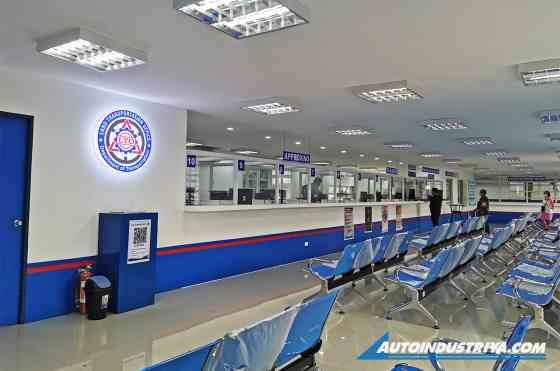
The Process: Updating Your vehicle color with the LTO
Be advised that applying for a change of color is not as simple as paying a fee and waiting for the LTO to issue a document. This involves updating the original records and creating an entirely new OR and CR with the updated color change.
The processing period varies along with the different fees that will be incurred based on the existing OR and CR. If your vinyl wrap changes the vehicle’s dominant or primary color, here are the typical steps and the documents required.

1. Secure a Philippine National Police-Highway Patrol Group (PNP-HPG) Motor Vehicle Clearance Certificate Clearance (MVCC) for change of color
The basic required documents to obtain a PNP-HPG MVCCC includes, (Original CR/OR, Valid ID of registered owner and Affidavit of change color).
Once all the documents have been submitted and the fee has been settled, the Highway Patrol Group (HPG) will physically inspect the vehicle to ensure there are no irregularities and issue a clearance.
2. Proceed to the LTO District Office
File for a “Change of Color” transaction at the LTO District Office and submit the required documents, (Original CR/OR, PNP-HPG Motor Vehicle Clearance (MVCC), Macro etching report, Valid ID of registered owner, Affidavit of change color). After completion, pay the corresponding LTO fees.
3. Receive Updated LTO OR/CR
Once the required documents have been submitted and the applicable fees have been paid, your request will be processed. Depending on the workload, processing times may vary; however, upon completion, your new Certificate of Registration (CR) and Official Receipt (OR) will now reflect the updated vehicle color.
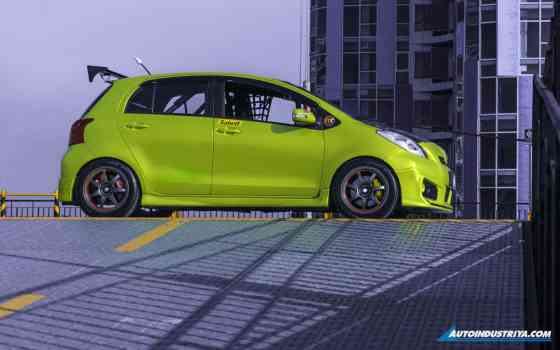
Style Meets Compliance
For those seeking to change their vehicle's color or add custom livery, vinyl wraps are the most economical and fastest way to personalize or promote a business or company.
It offers creative freedom, cost savings, and added protection, all without permanently altering the original paint. However, with that freedom comes responsibility.
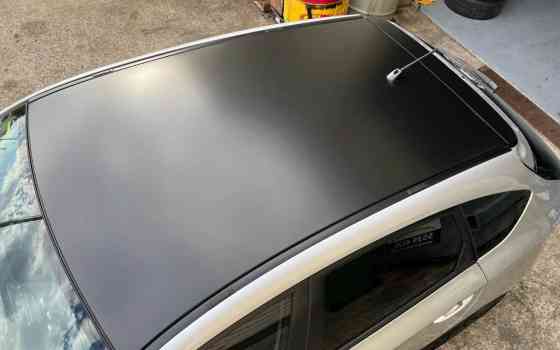
Here's the bottom line, if the vinyl wrap doesn't change the dominant vehicle color, it's all good. However, if it changes the vehicle color entirely or in a major way, updating your LTO records isn’t just a formality, it’s a legal requirement.
What's your take on vinyl wraps and have you done it? Share us your thoughts and comment down below