Auto 101: What parts break when you add more HP and torque?

As horsepower climbs and torque surges, these basic car parts are the first to break down
There is no such thing as a free lunch.
That is a saying that holds true in life, and also when modifying a car.
Anything you do to a car when it comes to upgrades and modifications always comes with a trade-off. When you add big accessories to a 4x4 like larger wheels or awnings, or roof-top tents, you add weight, which in turn will affect fuel economy. When you upgrade the audio system with big woofers and expensive amps, you will strain the electrical system and wear out the wiring, fuses, or even the alternator.
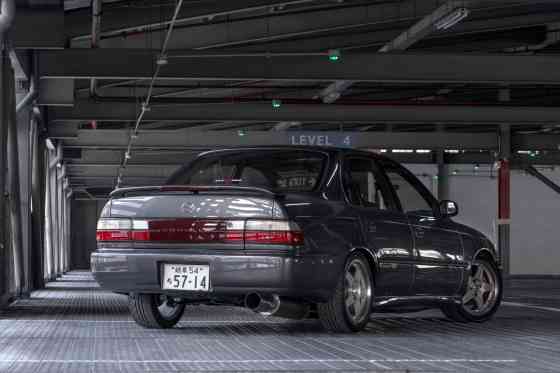
When you modify the engine in your car, the same is true. Actually, it’s very true.
In the desire to unlock a vehicle’s performance potential, tuners get into external and internal engine modifications. It begins with bolt-on engine upgrades like intakes, headers, and exhaust systems. Some even add turbochargers or (in the case of cars already turbocharged) they’ll fit a bigger one along with an intercooler. Serious high-performance builds go far beyond by upgrading important go-fast components such as camshafts, pistons, fuel injectors, intakes, throttle bodies, and more. The list can be endless, but if executed properly by an experienced tuner, these modifications can yield substantial gains in horsepower and torque.
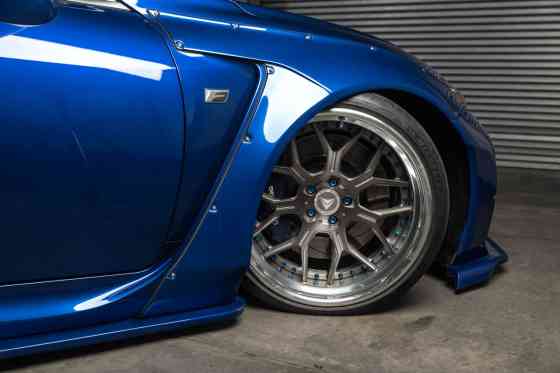
But the more power you add, the more strain your car will have to absorb. Keep in mind that your car’s stock components are engineered and built to handle factory-rated power and torque levels. Any significant increase in performance can place additional stress on these parts, potentially reducing their lifespan.
To avoid turning your daily-driven car into a costly money pit plagued by frequent part failures, review this short list of vulnerable components to monitor after making major performance upgrades.
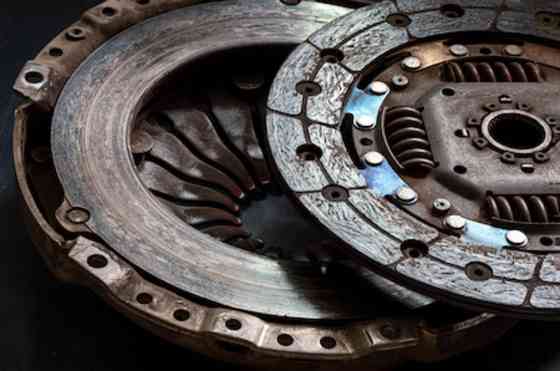
Clutch
Keep in mind that the stock clutch assembly (disc, pressure plate, release bearing) is designed and built to handle the engine’s original power output. Whenever significant increases in horsepower and torque are introduced through major engine modifications, the factory clutch will struggle to cope with the added load.
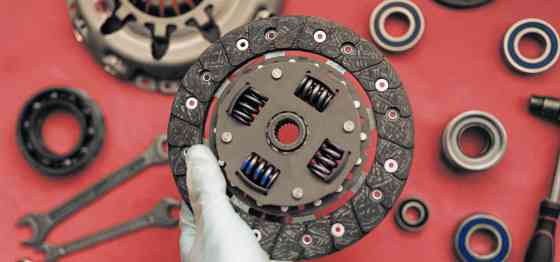
For serious builds, you’ll know that you’ll need to upgrade to a performance clutch disc that's rated for higher power output. If you don’t, then the result will likely be accelerated clutch lining wear, leading to slippage and premature failure. Symptoms of a failing clutch include difficulty changing gears, a burning smell with decreased acceleration, especially on uphill roads, and the clutch slipping out of sync.
For builds that aren’t so serious when it comes to the power upgrade, just prepare to have to replace your clutch assembly a bit more often than normal. These parts include the clutch, pressure plate, and release bearing. While you’re at it, check the flywheel as well to see if it is in good working condition.
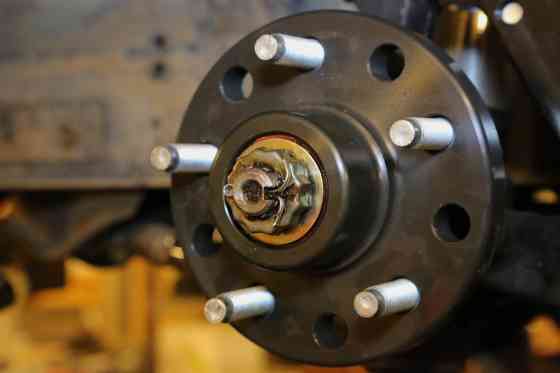
Wheel bearings
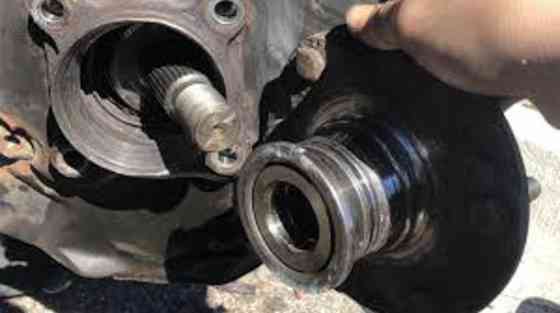
Often overlooked, the wheel bearings play a critical role in ensuring that the wheels rotate smoothly and efficiently by minimizing friction. They not only support the vehicle’s weight, but must also endure the additional forces generated during acceleration, cornering, and braking. Common signs of a damaged wheel bearing include a loud humming sound coming from the wheels as speed increases and vibrations felt from the steering wheel.
While it is relatively simple in design, modern wheel bearings are of the sealed type and cannot be simply repacked with normal grease like older bearings. In such cases, replacement is the only option as it poses a safety risk. A broken wheel bearing can lead to loss of steering control or, in extreme cases, the wheel itself could become detached from the hub. To prevent this from happening, have it checked and repaired by a mechanic.
Transmission
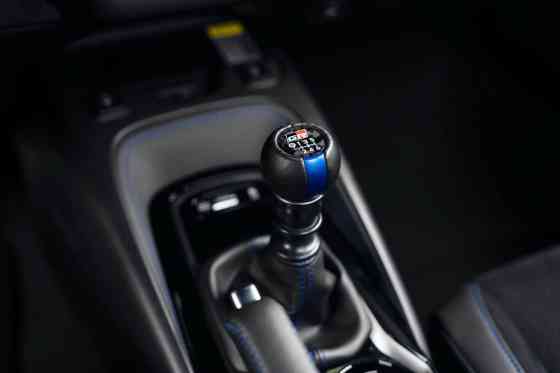
Dramatically increasing your car’s horsepower and torque with a supercharger or turbocharger can make driving far more exhilarating. However, these power adders also put significant stress on the transmission’s internal components. One of the most common issues involves the synchronizers, which help match gear speeds for smooth shifts. Worn synchros can cause grinding noises and difficulty shifting gears.
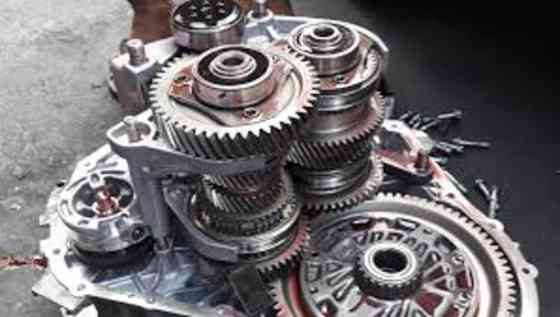
Other warning signs of transmission trouble include the gear shifter popping out of gear, difficulty shifting up or down, missed gear changes, loud whining, or clunking noises during shifts. If you experience any of these symptoms, it’s important to have the transmission inspected by a professional mechanic immediately to prevent further damage.
Driveshafts or Constant Velocity (CV) Joint
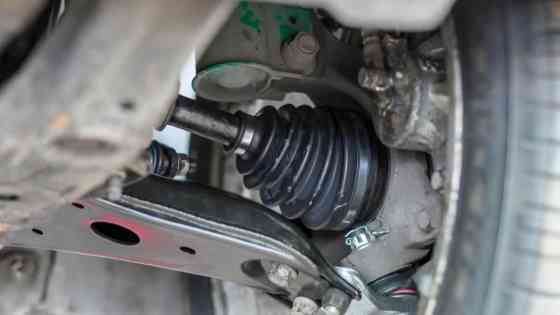
Whether a car employs a solid driveshaft or CV joints, both are directly connected to the transmission and play a vital role in delivering power to the wheels. As such, substantial performance modifications can significantly affect the lifespan of these parts. Most front-wheel-drive (FWD) vehicles rely on Constant Velocity (CV) joints, which need regular maintenance. This includes inspecting and servicing the inner and outer bearings, checking the rubber boots for damage, and regularly changing the CV-specific grease to ensure proper function and durability.
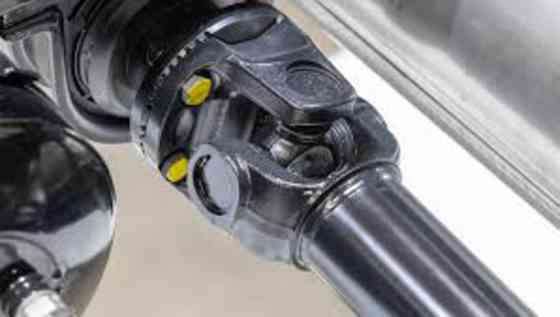
In rear-wheel-drive (RWD) vehicles, the common weak point of a driveshaft is the universal joints (also known as cross joints) that are located at each end. These are regular wear items that require periodic checking and replacement if needed. Common signs that point to cross-joint failure include vibrations, a clunking sound when shifting, jerking when accelerating, and unusual noises.
Suspension
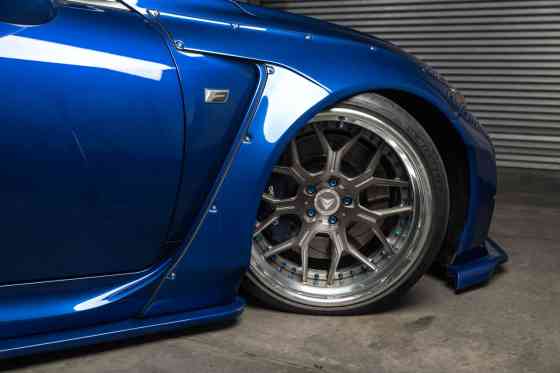
Power will only be as effective as the stock chassis and suspension will allow. As horsepower and torque increase, so too must the vehicle’s ability to remain composed. Reaching higher top speeds and carrying faster entry corner speeds requires enhanced handling dynamics and precise steering response.
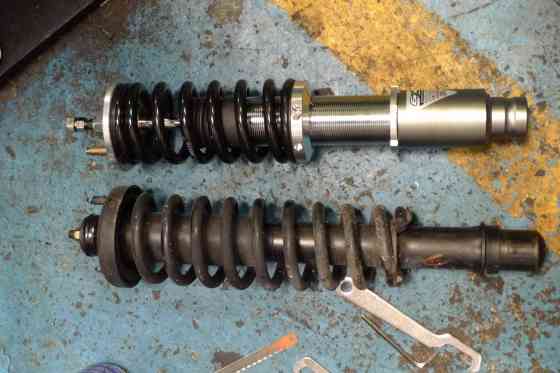
Without upgrading to aftermarket performance suspension and tires, this potential remains untapped. Factory spec coil springs and shocks are prone to bottoming out under the added forces, while ordinary passenger tires often fall short in providing optimal grip. The solution here would be stepping up with performance struts and springs or a fully adjustable, coil-over setup and tires that offer more roadholding capabilities.
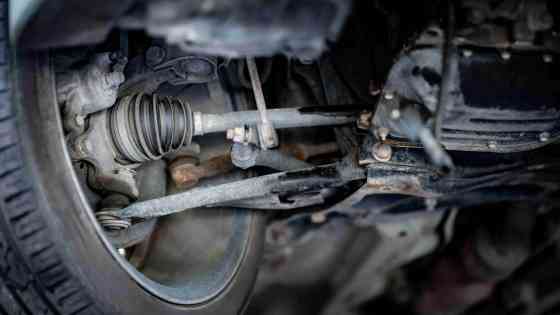
This imbalance not only limits performance but can also cause long-term damage to the suspension system. More importantly, it creates a serious safety risk, as poor handling increases the chance of losing control. The same principle applies to key suspension components, such as ball joints, bushings, and stabilizer links, which all work together to maintain stability and precise handling under increased loads.
Brakes
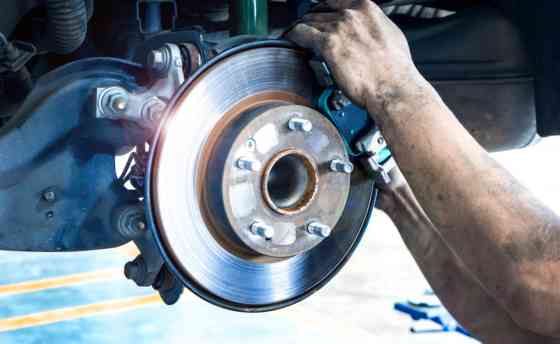
When a car produces more horsepower and gets more traction from sticky tires, extra strain is placed on the original braking system. This often results in reduced braking effectiveness and accelerated wear of the brake pads and warped rotor discs. Worst-case scenario would be outright brake failure if the system is overheated and overworked.
If anything, the brakes should be viewed as a top priority and an automatic upgrade with any significant bump in power levels. The basic upgrade would be to use performance-oriented brake pads. However, the ideal stopping solution for a serious power upgrade is to swap the stock units for a complete aftermarket big brake kit. These kits normally feature larger diameter rotors for heat dissipation, multi-piston calipers for better clamping force, and stainless steel braided brake lines that won't expand like rubber hoses for a firmer pedal feel.
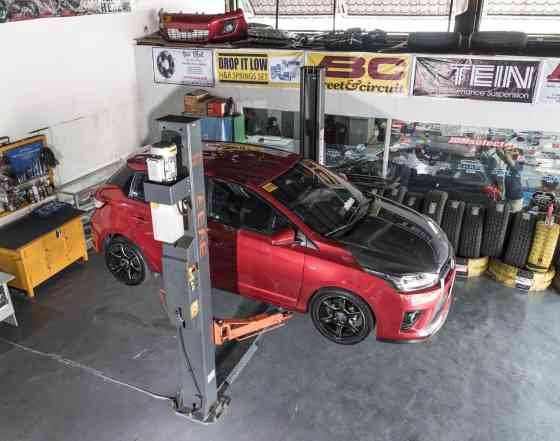
Bottom Line
High-performance modifications should be fun and not an endless cycle of broken parts and wasted money. Before diving into upgrades, keep these key points in mind:
-
Consult a tuner: Always work with a reputable tuner or mechanic to set realistic horsepower goals tailored to your car’s purpose. This ensures that only the right upgrades are chosen and utilized for your build.
-
Balance performance and reliability: While chasing big horsepower numbers is thrilling, it also places a strain on your car’s durability. Upgrade critical components to handle the extra power, whether you’re building a racecar or a street/track machine.
-
Maintenance is key: Regular upkeep, in terms of lubrication and replacing wear basic items, especially after adding major power upgrades, is essential to prolong the life of your engine and other vital parts.
Building a reliable, high-performance car means upgrading multiple components. This short checklist covers the basics, but keep in mind there will be more (e.g,. stress on the monocoque, etc.), so make sure to keep the upgrades reasonable, and be ready for more frequent maintenance. As enthusiasts, none of us wants to deal with constant breakdowns, so let’s prevent our cars from being stuck in repair shops and keep them on the road or track where it should be.