
Buyer Beware: How some aftermarket mods can affect (or harm) your car

Not all mods necessarily mean it's better
Car modification should be a great learning experience for any car enthusiast. The feeling of finding ways to personalize, customize, and upgrade your car to suit your preferences is a rewarding one.
Car modification, if done properly, will yield favorable results. Every aftermarket part or mod should contribute towards making the car perform and look better. Unfortunately there are some mods has the potential to do more harm than good. These range from improper methods to unnecessary and dangerous modifications.
Here’s a short list of some mods that should never be done as they harm your car’s performance and safety. We hope that by explaining the potential risks and pitfalls of these mods, you can make informed decisions about how to modify your vehicle and enjoy all the benefits without costly drawbacks.
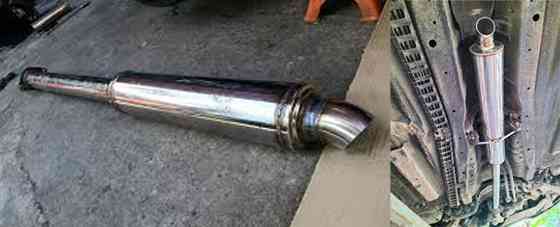
1. Rear muffler delete or “Scav”
This is an old-school exhaust modification that continues to be resorted to by wannabe racer boys. It’s nothing but a shortened exhaust that begins after the header collector and ends with a resonator. Doesn’t matter whether it’s a short or long resonator, they both do a good job of emitting a very loud exhaust note that will annoy the entire neighborhood.
Unless you're running a fully-built race engine on the street (you shouldn't) then there really is no point in ditching the muffler on a relatively stock engine with simple bolt-on parts. This is because there are no power gains to be made in the low to mid-rpm range, as it can even decrease it. Better opt for a well-built, full exhaust system that’s sure to add the extra horsepower and emit a proper (and commensurate) exhaust note.
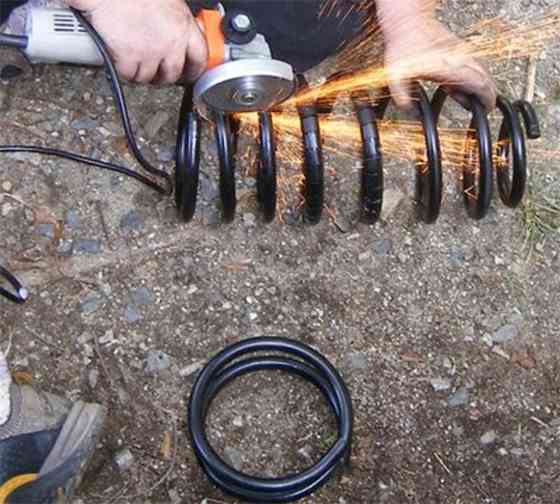
2. Cutting coil springs
Lowering a car will do wonders in terms of improving its looks and handling. But how this mod is carried out can also make or break the car.
The wrong method is the budget meal mod: cutting the coil springs to lower a car. A bad way is to use a cutting wheel. The worst way to do it is by an oxy-acetylene torch. What happens is you shorten the length to achieve a lower ride height.
The downside is you mess up the intended spring rate. You can end up with a very stiff ride and uneven spring rates on all corners. What’s more, this cheap mod along with dangerous spring compressors just force the dampers to work harder and strain other suspension components. Also, given that the spring is shorter, the damper shaft could hit the bump stops regularly and destroy itself.
If you want to lower your car, buy a proper set of lowering springs (which are readily available, depending on the model) with matching short-stroke dampers and do it right the first time.
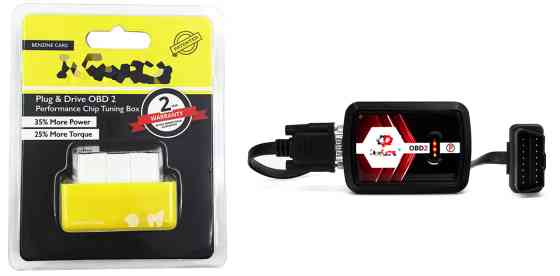
3. Performance chips
These are so-called performance chip tuning modules that simply plug into your car’s On-Board Diagnostic Port (OBD) with the promise of gaining extra horsepower and torque while saving fuel in an instant.
Being relatively cheap and easy to install, it’s easy to get tempted. And there are so many of these things out there. Keep this in mind: there can never be a universal plug-and-play ECU or electronic tuning solution. Each engine performs differently and is tuned differently depending on the engineers and the attributes they designed it around. Mess with it improperly and you can end up damaging your ECU, sensors, and more.
The proper way to get more engine power is to perform an ECU remap or reflash with a reputable tuner. This mod alters the parameters of the engine based on what it lacks or has more of that needs to be reduced (ignition, air, fuel) based on actual data from the dynamometer taking away any guesstimates.

4. Camber gang
Dialing in a small degree of negative camber will work wonders in terms of handling (cornering) for performance-themed builds that are used for weekend autocross or track days.
The slight adjustment will make the suspension work effectively and give a better contact patch. But unless you're driving a purpose-built drift car or track car, running more than 3 degrees of negative camber for the street is not advisable.
Adding too much camber for aesthetic purposes has no performance value and will hamper your car's performance. Since the contact patch of the tire is drastically minimized, this also decreases its surface grip when running fast in a straight line, so much that it compromises the steering and braking capabilities of the car as it cannot respond to sudden turns or emergency stops.
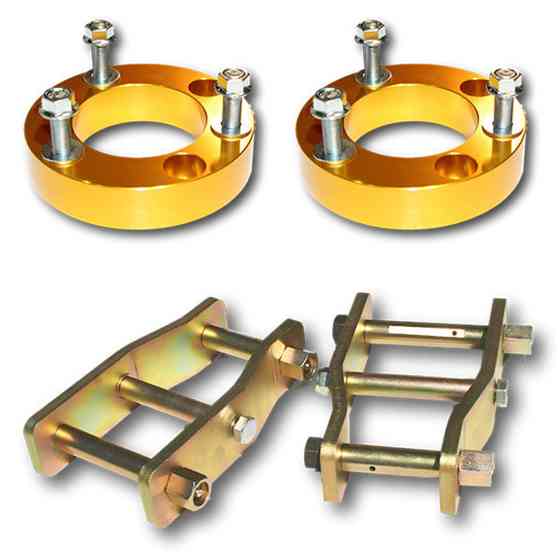
5. Quick lift kits and cheap wheel spacers
These are so-called quick lifts for SUVs and pickups with a body-on-frame chassis layout. It simply consists of front coil spring spacers with rear leaf spring shackles that instantly raise the vehicle by as much as 2 inches.
It simply bolts on and sounds like a good idea, but by raising the vehicle beyond recommended limits, these quick lifts will alter the critical angles of the stock suspension. Without a matching set of suspension components such as control arms or shock absorbers, this hampers the vehicle’s handling and stability, causing increased wear on components, and raises safety concerns. Unlike a properly designed and complete aftermarket lift kit which takes into account all aspects of the suspension system.
The same goes for cast aluminum wheel spacers that are made with inferior materials (like that pot-cast alloy we call "chinesium") that may not be able to handle the stress of driving, leading to potential failure or damage to other components. When using spacers opt for those that are made from solid aluminum and from reputable brands.
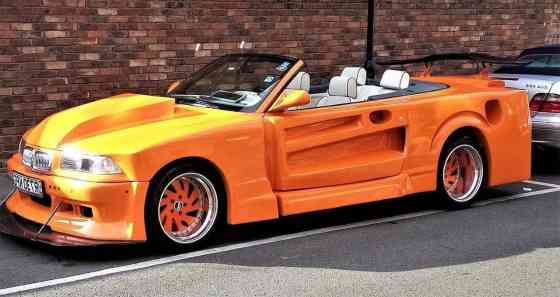
6. Tack-on body kits
When it comes to body kits, imagination and creativity play a huge factor. Many that we have seen are wide and wild; some look good, but some simply make the car look and behave worse.
I’m talking about those custom-made extra wide body kits by many roadside shops that use fiberglass and buckets of body filler (AKA: masilya). These are fairly easy to spot on the road, especially with their outrageously shaped and oversized fenders with uneven lines and curves. These just make the car look bulky and awkward.
To make matters worse, the wide fenders (and other bits of kit like a wing) will slow down the car because of the weight and extra drag; roadside shops don't exactly have a wind tunnel to test anything. Whatever the case, this is just a bad idea from the start. Keep it simple. And buy original kits from good shops.

Bottom line
There’s plenty more out there, but now you know the ones to avoid as this will only do more harm than good. So, take time to research and seek advice from reputable tuners or shop owners. Before anything else, determine the purpose of your build and plan the mods accordingly. For example, some devote all their mods toward getting peak engine power, but in the process, they forget other aspects that also need upgrading.
Stuff like clutch, cooling, braking, suspension, and more to make the car handle all that extra power effectively. My advice, is always make sure that you're adding mods and the proper parts that go with it, to transfer all that power to the ground reliably.