Oil Change: Talyer vs Shop vs Casa?

Weighing the pros and cons of different oil change service options
The most basic of automotive engine maintenance tasks is the oil change. Anyone can do it, even you.
For most owners, DIY isn't the way to go. It needs know-how, patience, tools, supplies, and time. So the question is: Where do i go for an oil change?
It may sound simple and straightforward, but deciding where to have it done matters. If your car is brand new and hasn’t gone past its warranty period, there’s no other option: it has to be taken to the dealership or casa so as not to void its warranty. Sometimes even owners of out-of-warranty cars prefer the casa to have that all-important booklet/record when they sell the car later on.
But for cars that have expired warranty periods, the question as to where to have an oil change continues to be a hot topic for debate and even confusion for some. The way I see it, there are three options as to where you can have your oil change done.
The Roadside Talyer
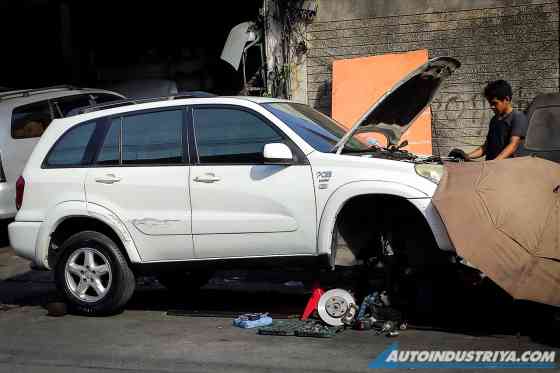
When we say "talyer" we mean those roadsides (sometimes even backyard) repair shops. These are smaller talyers that are randomly situated along the side of the road, often next to or co-located with an auto supply store. Sometimes it's even just an auto supply with a mechanic on call.
Skilled (and/or eager) as they may be to work on all kinds of cars, their mechanics often lack proper training, tools, or even overalls; they'll probably show up in a torn-up and greased T-shirt, shorts, and flip-flops with a cigarette on the lips. They can get the job done, but there's no guarantee of the quality of work.
The Independent Shop
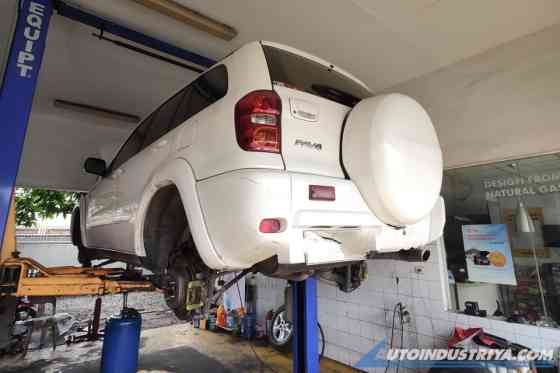
These are easy to spot. Some are larger shops that cater to a wide variety of vehicles. Some are dedicated to a certain type of vehicle (e.g. 4x4 specialists) or certain makes (e.g. Nissan or Mitsubishi specialists) or from a particular region (e.g. Euro). Some are even part of larger organizations that have branches nationwide.
Whichever the case, we're referring to auto service shops that have invested in building a proper service area, equipped with the right tools and manned by trained technicians. They're not casa-grade but they're not far off, nor do they charge casa rates.
The Casa
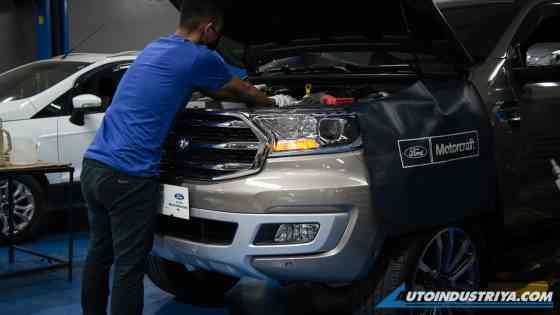
Casa is the local jargon for the officially certified service center of a brand. Often it is co-located with the dealership, or located near the showroom in areas where space may not be enough for a larger service area.
By far, the dealership is a much larger operation involving a substantial amount of infrastructure, manpower, equipment, training, certification, parts inventory, and the like. This operation requires acquiring a franchise from a car manufacturer to exclusively sell and service their line of vehicles by factory-trained technicians.
Whichever the choice, all three options can perform the simple task of changing the engine oil in your car. But, which one is right for you? Let's go over the pros and cons.
1. Labor and Parts Costs
The Talyer: The budget-friendly labor rates are what makes the talyer so popular and sought after. Not to mention being able to ask the owner for a tawad or discount. You're probably looking at a couple hundred pesos in terms of labor fees. Once agreed, they'll get to work.
Being surrounded by numerous auto supply stores in the area gives one the freedom to choose and canvass any kind of motor oil and filters. More importantly, it gives the customer the freedom to choose the oil they prefer (e.g. synthetic or other premium options) that offers the best value and fits the budget. Do be careful as one should always select an oil and filter that conforms to factory specifications for the vehicle.
The Independent Shop: Strictly employing skilled technicians, quality service is guaranteed. Quality equipment is also guaranteed as these shops often have lifters that allow better access to the undercarriage of the car. All this comes at a cost, which explains why they charge higher rates compared to roadside talyers.
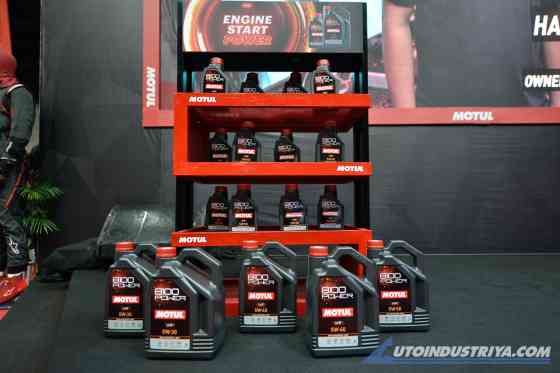
When it comes to motor oil and filters, some shops carry multiple brands while some offer just one brand; sometimes the larger chains of independent shops have partnerships with major international lubricant brands. Even though their oil and filters cost slightly more than the ordinary ones, the fact that customers can select any oil they want has its appeal. A customer can even bring their own oil. Also, a customer can probably get a higher-spec oil for the same price as a lower-grade oil at an official dealership.
The Casa: This will be the most premium option here as quality workmanship is to be expected because the casa shop is filled with factory-trained technicians. Everything here is done by the book as they utilize the latest tools and equipment specified by the factory. Premium service also comes at a price as huge overhead costs (stocking parts, training, equipment, etc.) mean they charge higher labor rates compared to independent auto shops.
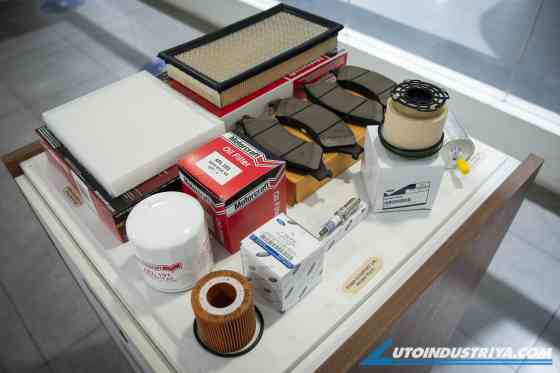
Like all car dealerships, there are generally no oil and filter options here to choose from as they strictly use their own authorized brand of motor oil (often OEM genuine oil) and filter. Strict procedures are also carried out, making the chances of getting the wrong kind and quality very slim (if not zero) as they source all their oil from the distributor or factory.
2. Expertise & Training
The Talyer: These self-taught mechanics mainly work on older cars armed with years of experience as their best (and sometimes only) teachers. Yes, they generally lack formal training, but they work hard and do their best with what they've got. Often that means working with a jack and jackstands (sometimes not even the latter) to crawl under the engine, loosen the oil pan nut, remove the filter, and drain the oil into a cut-up motor oil bottle as a makeshift catch tank.
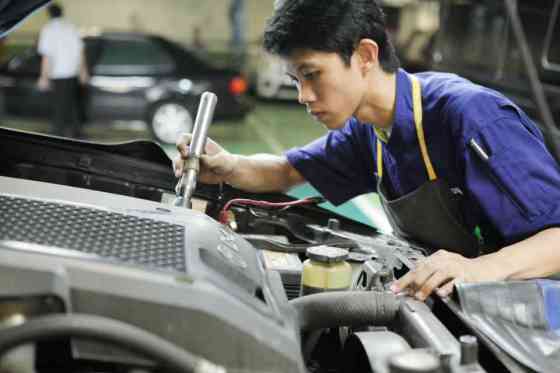
The Independent Shop: Aside from having a well-equipped shop, one of their main advantages is that their mechanics have received proper automotive skills training. Together with personal experience, this makes them very capable of more complex servicing, making oil change tasks on any vehicle very easy. That's why they also charge more than the roadside talyer but not as much as the car dealership does. Depending on the amount of bays and available mechanics, walk-in clients can be accommodated, but most of these shops prefer a scheduled appointment.
The Casa: There's no second-guessing their expertise here as every technician undergoes factory training before they can work on the cars that the dealership sells. A highly trained staff together with the proper factory-specified tools and equipment, enables them to do their job properly and by the book. They also take greater care to prevent smudges and scratches on your car by using magnetic covers for the fenders and gloves. Despite following the scheduled service appointment, the influx of customers and the number of mechanics also affect the time required to finish the job. In this case, it pays to show up early.
3. Speed & Other Facilities
The Talyer: This type of setup has a big advantage as it's often fast. Changing oil is a pretty simple task: drain the oil, put in a new filter, seal it up, and refill it with new oil. If you time it right and there are no other cars in a line, you can be in and out in as little as 30 to 45 minutes. Of course, the quality of work may not be there, but it's a task so simple that it's pretty difficult to mess up.
What you can't expect, however, is a nice waiting area. You'll be lucky if there's a clean stool nearby where you can sit, watch, and wait. It's best to just find a nearby canteen so you can enjoy a soft drink and snacks.
The Independent Shop: The arrival of many independent shops has really worked well to increase the availability of service bays around many areas, and they want to do well and make an impression on customers. That's why they try to work fast and efficiently and adhere to proper procedures to improve the turnover rate at the shop and prevent back jobs.
They do get quite crowded just like a casa, so wait times will vary depending on the day and time of day. The best bit? They tend to have airconditioned lounges where you can wait, watch TV, enjoy Wifi, relax, and not have to shoo flies away as you do so. Sometimes there's even some coffee.
The Casa: Depending on the brand, day, and time of day, the total time you may spend at a casa really varies. Sometimes it's fast, sometimes you could end up spending a whole day. It all really depends on how popular your brand is (more sales = more customers = more servicing needs) what day you went, and whether you're there early. Some brands have online or app-based applications that can help guarantee you a spot. Whichever the case, wait times tend to be long versus the actual time it takes to get the job done.
The good thing is that car brands and dealerships are committed to ensuring a good experience, so you can enjoy a nice lounge (depending on the dealership), some complimentary snacks and drinks, or even a complimentary shuttle service to a nearby mall (it varies from dealer to dealer) as casas tend to be far from major shopping malls.
Bottom Line
Admittedly, all three options accomplish the same thing. The choosing part would largely depend on the customer and budget and time constraints. If you just want it done without thinking about it too much, opting to have it done at the car dealership would be a good idea. Aside from knowing that the car is taken care of without having to monitor every action, they can also perform periodic maintenance service if you keep forgetting them. Just watch out for the add-ons that aren't really necessary and whenever possible, have it taken out to lessen the cost.
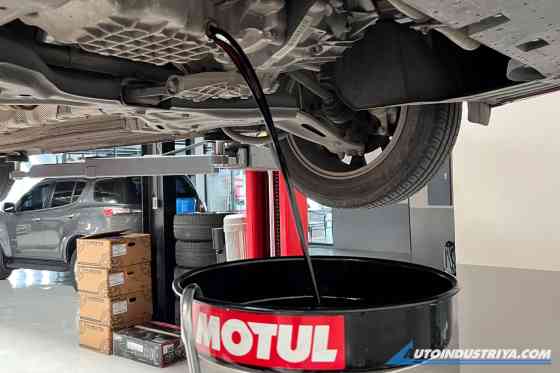
On the flip side, if you’re a car enthusiast and the type who likes a hands-on approach to car maintenance and finding ways to save money, then a well-equipped, independent auto service shop is for you. If you just need a simple job done quickly without much fuss or if the nearest casa and independent shop is full, then the local talyer might be the way to go.