UK's "DOTr" makes LGUs accountable with pothole repair map

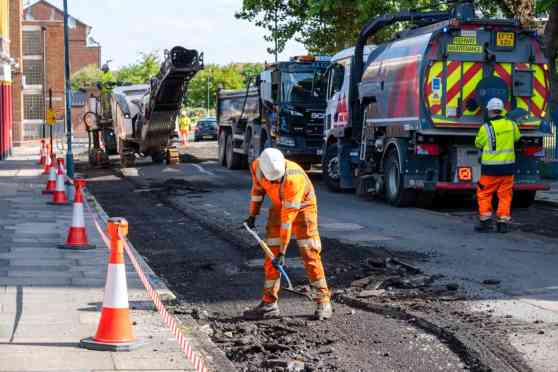
UK’s Department for Transport publishes pothole repair map
Remember back in July 2025 when President Ferdinand “Bongbong” Marcos Jr. delivered his SONA and made the now-infamous “Mahiya naman kayo!” remark? Well, if it weren’t for the massive flooding that hit just days before last year’s SONA, which sparked public outrage and calls for accountability, this whole flood control scam controversy likely wouldn’t have dominated the speech.
It also prompted the President to launch sumbongsapangulo.ph, which is a platform that empowers taxpayers to expose, monitor, and report government-funded projects in their communities, turning ordinary citizens into watchdogs over public spending.
Over in the United Kingdom (UK), the Department for Transport (DfT), our DOTr’s equivalent, recently launched a somewhat similar platform, featuring an interactive map that tracks road maintenance. And if citizens aren’t satisfied with how their local government is doing? You can bet they’ll be storming the council with “pitchforks, knives, and axes in hand,” demanding accountability.
How it works
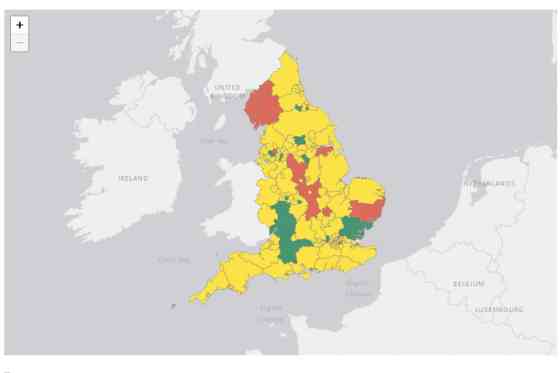
The new website allows motorists to see how effectively their local council is spending government funds, particularly on pothole repairs, and rates their performance. The ratings, which are the first of their kind, cover 154 local highway authorities (LHAs), grading them red, amber, or green based on current road conditions and how efficiently they are using the UK government’s record GBP 7.3 billion to fix potholes and invest in long-term road maintenance.
“We’ve put our money where our mouth is, increasing the funding for local highway authorities with GBP 7.3 billion to fix roads and given them the long-term certainty they have been asking for. Now it’s over to them to spend the money wisely, and for the first time, we are making sure the public can see how well councils are doing in delivering the improvements they want to see in their local area,” said UK Transport Secretary, Heidi Alexander.
To put it in perspective, the UK is set to spend a jaw-dropping PHP 583 billion on pothole repairs alone, or about PHP 300 billion less than the Philippines’ entire DPWH budget for 2025.
LHAs that were rated green, such as Leeds, Sandwell, and Manchester, showcased best practices by keeping roads in good condition, investing in long-term pothole prevention, and upgrading local infrastructure. Those in amber, authorities demonstrated some of these efforts, but still have gaps to address, while those rated in red lagged in one or more areas, from road conditions and pothole prevention to broader maintenance investment, which translates to ‘Not doing their jobs.’
It's not the end of the world for those who got red ratings. To raise standards, these red-rated LHAs will receive targeted support, including GBP 300,000 in expert planning and capability assistance. The program features peer reviews, where sector specialists help councils improve processes and provide practical guidance, while future funding will be tied to performance to encourage efficient use of taxpayer money in repairing and maintaining roads before potholes form.
The government held back part of the councils’ funding until they proved they were following best practices. Another incentive the UK government is also willing to give is GBP 300,000 to help councils try smarter, longer-lasting, and eco-friendly ways to fix roads that save money and reduce traffic disruptions.
Meanwhile in the Philippines
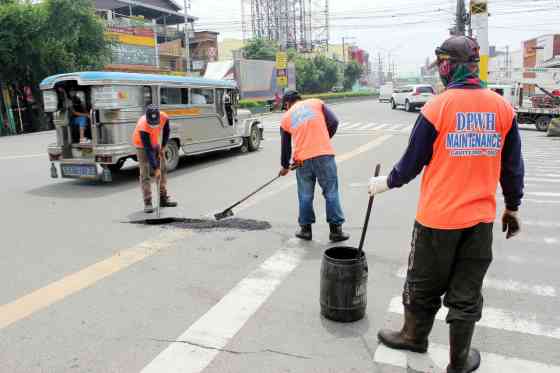
While the Brits take a best-practices approach to fixing their roads, which are backed by incentives for those who improve, things in the Philippines often move in the opposite direction. How many times have we seen freshly cemented roads torn up again, only so the government can pour new concrete and spend taxpayer money all over? Roads in regions like Bicol and Samar are among the worst, so rough that riding there sometimes feels less like a highway and more like the surface of the moon.
We can take a cue from the Brits. Just like PBBM’s sumbongsapangulo.ph, shouldn’t we have a similar platform, modeled after the UK DOTr’s, but citizens can also report, track, and hold authorities accountable for road repairs? Our roads are a mess, and it’s long overdue for the public to have a real way to demand action.