Stellantis profit drops 48%, considers shutting down underperforming brands

Did Stellantis get too big for its own good?
Stellantis, the world’s fourth-largest automobile conglomerate by sales, has some rough roads ahead.
In a recent press release, Stellantis announced that they are having some financial difficulties in the first half of 2024. Net revenue is at €85 billion which is down 14% when compared to the first half of 2023. Critically, net profit is also down to €5.6 billion; that’s almost half of the company’s net profit for the same period last year.
In the statement, Stellantis CEO Carlos Tavares says that their H1 2024 performance “fell short” of their targets. He says that the numbers reflect “a challenging industry context” and “operational issues”. While he did not elaborate as to what those issues were, the statement indicated factors such as low sales performance particularly in North America, the model mix, as well as challenges brought about by foreign exchange difficulties and their own restructuring.
Stellantis is a new but very large entity that emerged from the merger of Fiat Chrysler Automobiles (FCA) and PSA Group. That meant the integration of 14 brands into one group, all with distinct designs, platforms, engines, operations, cultures, and so forth.
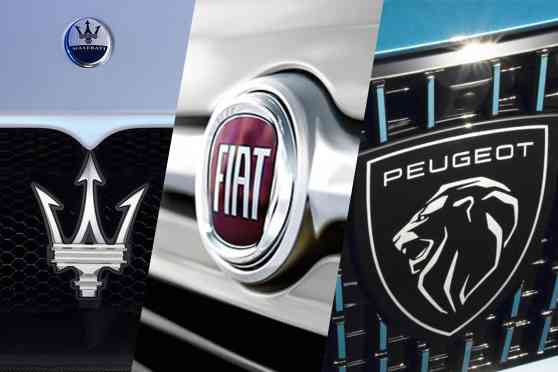
As it stands now, Stellantis is responsible for 5 Italian brands (Abarth, Alfa Romeo, Fiat, Lancia, Maserati), 3 French brands (Citroen, DS, Peugeot), 1 German brand (Opel), 1 British brand (Vauxhall), and 4 American brands (Jeep, Chrysler, Dodge, Ram Trucks).
When asked by other media, Tavares was quoted as saying that brands that aren’t performing in terms of sales, making a profit, and contributing to the group can be dropped.
“If they don’t make money, we’ll shut them down,” said Carlos Tavares, Stellantis CEO to Reuters.
If it came to that, industry analysts point to the luxury brands as potential targets to be discontinued; the most notable of which could be Maserati which posted a €82 million loss because sales dropped by nearly half in H1 2024. Maserati’s model mix and pricing have been something unusual of late, as the company hasn’t quite invested in the drive towards electrification as other luxury and premium brands. Many won’t be surprised if Stellantis tries to sell Maserati to another owner, along with other smaller brands in their portfolio like DS or Lancia, among others.
Trimming could be the answer, as Ford found out in the run-up to the financial crisis a decade and a half ago when they decided to remove the PAG or Premier Automotiv Group comprised of luxury and premium marques. That strategy resulted in Aston Martin, Jaguar, Land Rover, and Volvo being sent off to new owners with only Lincoln remaining. That helped propel the Ford brand forward and avoided the need for a bailout.
But before it comes to that, Tavares says there are better prospects ahead. He says they’ve got an “exciting product blitz” incoming with at least 20 new model launches for the group. As to what those are, we’ll have to wait and see to confirm. And even then, we’re still waiting on what Stellantis intends to do with the Southeast Asian market.