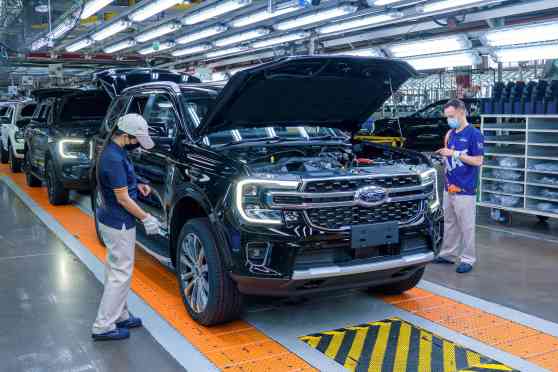
Ford to expand Thailand production with Suzuki plant acquisition

Suzuki exits Thailand manufacturing
It’s a done deal.
After several years of dwindling output, Suzuki has agreed to sell its Rayong, Thailand assembly plant to Ford, in a move that basically allows the Japanese manufacturer to cut its losses and optimize its resources in markets where the brand has a solid footprint.
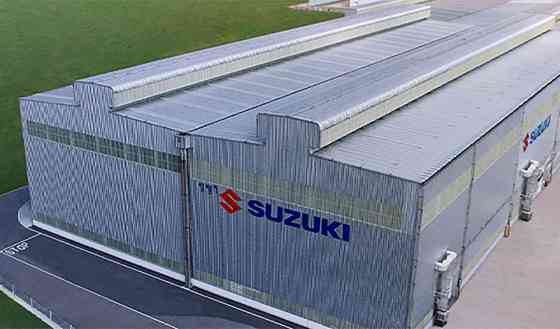
Suzuki’s Rayong, Thailand plant started operations in 2012 and produced models like the Ciaz sedan, the Celerio hatchback, and the Swift for local sale and export. At its peak, Suzuki produced nearly 60,000 units a year in the Rayong plant. But with Suzuki unable to penetrate the market as anticipated, along with currency pressures and the shift in consumer preferences, production plummeted to just 4,400 units in 2024.
With the facility operating at roughly 5% of its intended capacity, Suzuki made the decision as early as 2024 to break away from a losing proposition. According to reports, Ford and Suzuki have agreed on the sale of the 66-hectare facility, amounting to USD 3.9-billion, which will be paid out by the Blue Oval over a 30-year period.
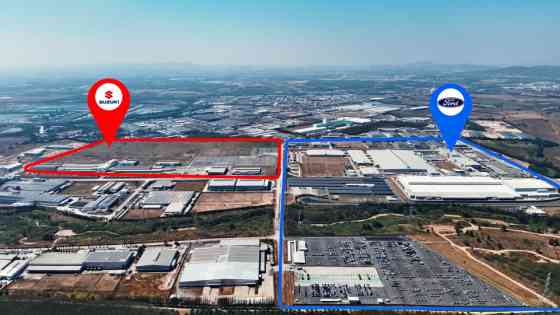
Ford’s acquisition of Suzuki’s Rayong plant gives it an additional 65,000 square meters of factory space, which is located directly adjacent to the Blue Oval’s existing plant that produces the Ranger pickup and the Everest SUV. The location adjacency gives Ford a key operational advantage, which allows for easy integration and future expansion without the costs and delays of building a new facility from scratch.
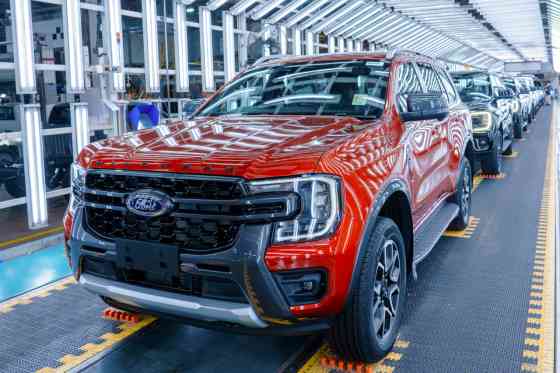
Likewise, the payment schedule shows Ford’s long-term commitment to the ASEAN region, and Thailand, particularly, as a major export hub. Ford is already producing over 270,000 units in its two plants in Thailand, where about 90% is being exported to overseas markets across Southeast Asia, Oceania, and other key locations.
As for the Philippine market, the sale of the Suzuki factory in Thailand will not have an effect on the brand’s local operations. Suzuki Auto Philippines has recently stopped offering the Swift hatchback, which used to come from Thailand, while its current model mix, on the other hand, is sourced from Japan, India, and Indonesia.
Source: Nikkei Asia, Automotive World