Toyota GR Street Race: The Drive to Survive moment for PH motorsport

Racing, concerts, and photo cards – did the street race finally flip the switch?
For more than a decade, Toyota Motor Philippines spends a big chunk of its annual budget in hosting the Vios Cup – now known as the Toyota Gazoo Racing Philippine Cup. It had its own share of producing racing talent, discovering new ones, and provided a spectacle to keep local racing alive.
As an individual who started out as a spectator watching the races in McKinley Hill, MOA, and Alabang to becoming a driver in the Sporting Class, I’ve followed the series like it was religion. However, while it has went on to become the country’s longest-running motorsports series, subsequent seasons of the Vios Cup felt like the scene was stuck in neutral.
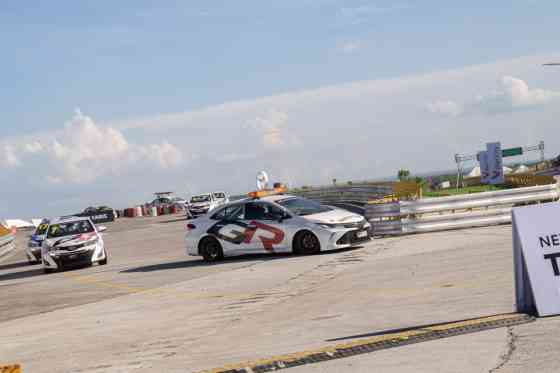
With races held in Clark International Speedway, the series was beloved by racing enthusiasts like me, but it was nearly invisible to the wider public – until the TGR Philippine Cup at came along last weekend and changed everything.
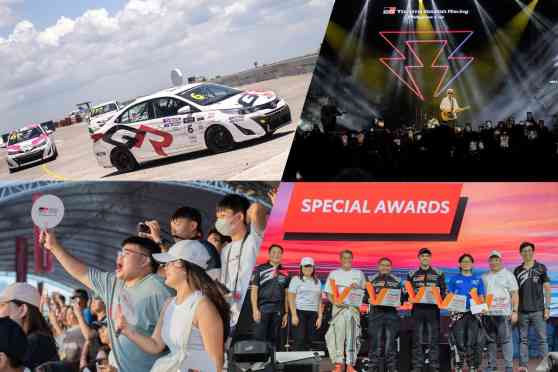
It’s not every day you can gather over 12,000 people to watch a two-day race weekend under the scorching sun, and an empty piece of dusty land. But like what Netflix did for F1, the TGR Street Race lit a fire under a sleeping scene - bringing racing closer to the people, literally and figuratively. So how did Toyota pull it off?
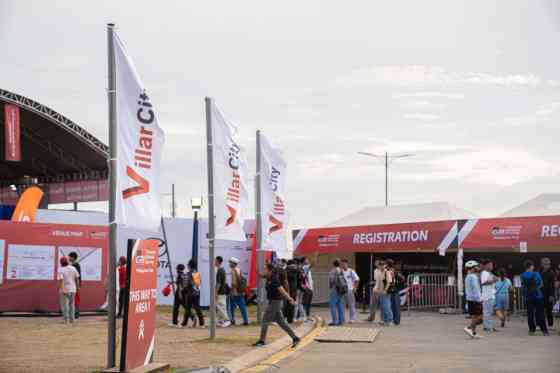
The close proximity of the event was a big factor. Held at Villar City, anyone who was curious about what was happening didn’t need to drive more than two hours away from Manila and pay hefty toll bills. The shuttle service was also a big help as Toyota offered free bus rides from Manila Bay, from Silang in Cavite, and even up to Calamba in Laguna. Those made the event itself impossible to ignore as the race was no longer buried beneath layers of exclusivity.

However, the series still needed something to actually pull people in. Okay, there’s Parokya Ni Edgar, Never The Strangers, Rico Blanco, Bamboo and Ely Buendia lined up to perform which will definitely gather a crowd. But how will the people focus on the races when those performers aren’t out on stage? Well, Toyota tapped into a familiar playbook that turned Formula 1 from a niche sport to a global obsession, but made it local.
They made the people not just care about the racing, but about the racers. The drivers became personalities. Before the races began, the people got to know who were getting inside the Vios race cars through a very Gen Z approach – photo cards. All drivers had it, like the ones you see with Bini and Seventeen. I never thought I’d see my face in a photo card and signing autographs for people I’ve never met before, but it did happen last weekend.
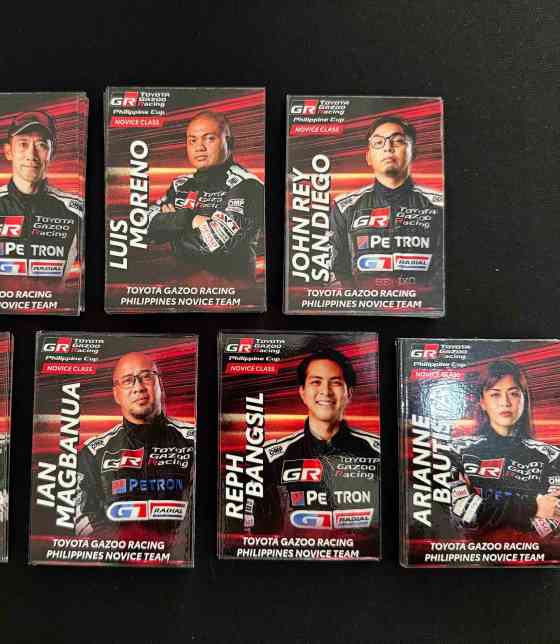
The similar approach in fan engagement, along with the racing vibe made the event very much relatable to all the people that came to Villar City, especially the younger generation who frequently goes to F1 live viewing parties during weekends.
I saw a lot of people wearing F1 team shirts, holding phones on one hand, and a portable fan on the other. These people were no longer oblivious to what could happen on a street circuit. Oh, and before I forgot, the TGR Street Race was actually held in the same weekend as the Monaco Grand Prix. We had our own Monaco going on, but with Vios race cars instead of F1 machines in Villar City.
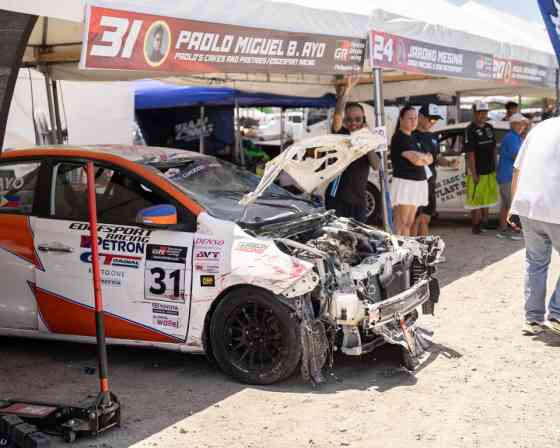
Then of course, the main attraction happened – the races. On a street circuit, there’s very little room for error. Crashes did happen. A lot. And safety car periods were normal. Then there was me, right in the middle of the action onboard the Toyota Gazoo Racing works team’s #6 Vios race car.
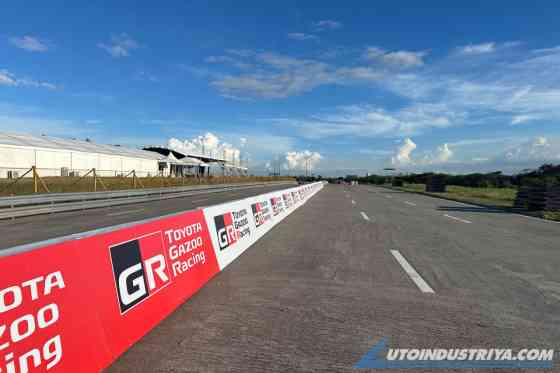
The Villar City Street Circuit is 2.3 kilometers long, starting with the main straight that goes downhill, picking up speeds of up to 140 km/h before braking into a fast chicane taken at 60 km/h. After that, there’s a short straight that will make you shift up to third before downshifting to second leading to another fast chicane. The first section ends with a slower chicane going into a 90 degree left turn and tight 1st gear uphill hairpin that leads to the other side of the track.
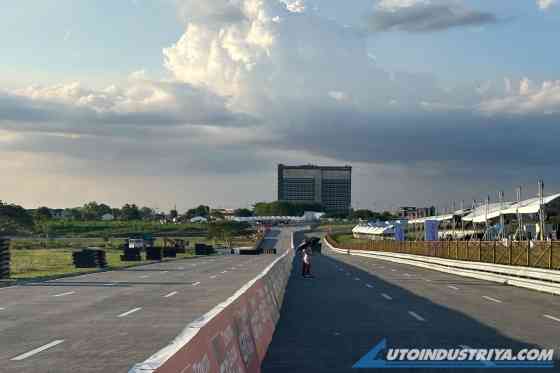
Speed picks up again in the second half of the track as after the 90 degree right, a fast chicane taken at 80 km/h leads you to a downhill straight going into the main grandstand section of the track. This happens to be where all of the overtaking moves are being pulled off. It’s a section that starts with a fast chicane entered at 120 km/h, then goes uphill like a mini Eau Rouge and Raidillon section, with heavy braking in a bus stop chicane before a short acceleration burst to enter the tight last turn hairpin.
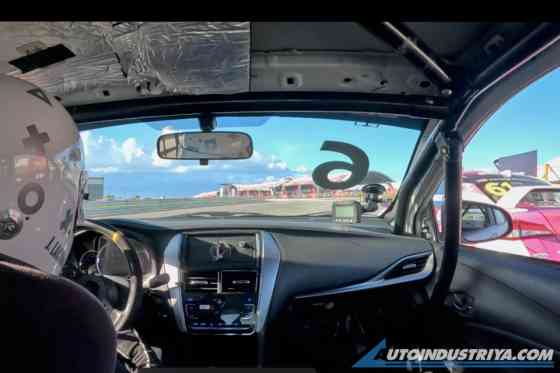
Believe me when I say I get goosebumps whenever we enter this section, as I can still hear the crowd erupting even with the noise of the loud exhaust, and the muffling done by my crash helmet. As a driver, it made me want to pull off brave overtaking moves there - and I did so, managing to make up places on that section, thanks to the cheers of the people watching. That went on for three 12 lap races for each of the classes.
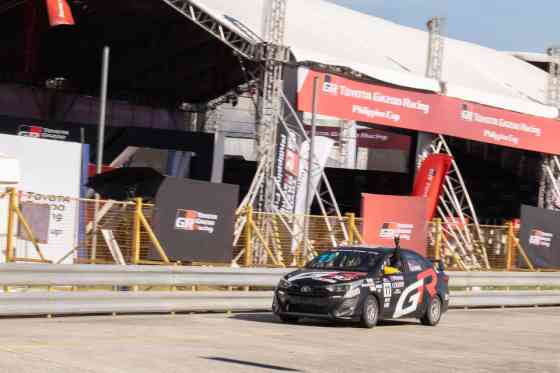
When the checkered flag waves and the race is over, we pass by that grandstand section one more time before going into parc ferme. This is the moment where we get to wave to the people watching, and do a couple of revving just to show off for a bit. Seeing them wave back to me and hearing the cheers really add up to what was such an enjoyable race weekend.
The cherry on top was the final race in the Super Sporting Class, where people saw the duel between Russel Cabrera and Joaquin Garrido for victory. After going back and forth, Cabrera came out victorious as he dived down the inside of Garrido on the last corner, on the final lap of the race. As a spectator, racing doesn’t get any better than that.
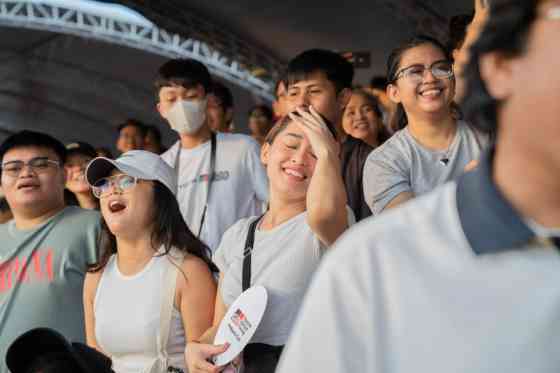
But more than anything, the execution that Toyota did for the Philippine Cup Street Race was proof that local motorsports is indeed well and alive, and it was just waiting for its moment to be seen. Now, it finally did happen. They nailed the formula.
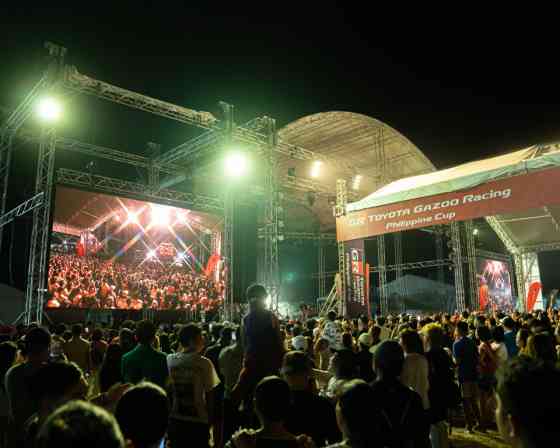
There was the drama. The fandom. The stakes, and the aesthetic. It was a mix of style, spectacle, and a playlist. It felt like Philippine motorsports finally got its invite to the cool table. With that, the grandstand seats were finally packed. IG stories were made. Photo cards were signed. The reels went viral, and the algorithm paid attention. Local motorsports was all over social media.
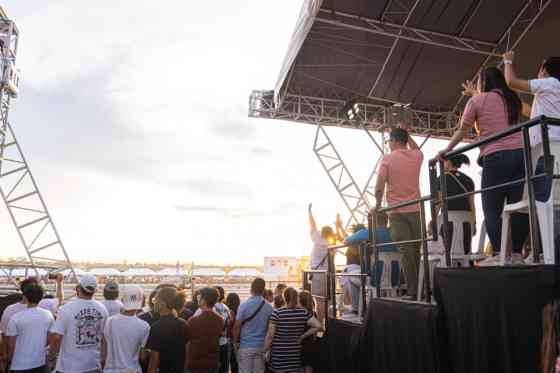
The only thing left to do is keep the momentum with more events, more visibility, more support, more stories, and let the swagger stay. It will be quite a challenge to pull crowds in Clark in the same way Toyota did at Villar City for the next leg. Here’s to hoping our nation’s leaders also take notice because we don’t know how long Toyota can keep this up.
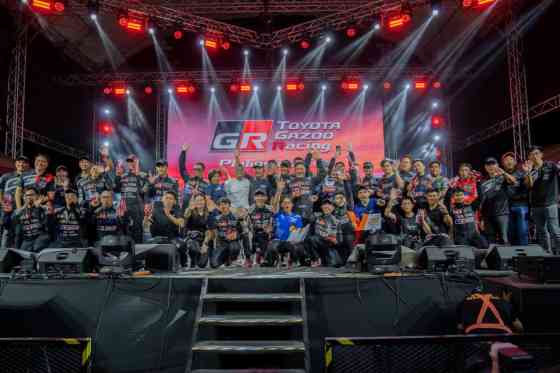
It will take a while before my buzz about the race weekend slows down, as both the on-track and off-track festivities gave off such great energy, and great vibes. Now that the community has been engaged, it’s a scene that’s ready to take off. If this sparks something bigger, then we’re all in for the ride.