VinFast: The Automotive Outsider

Why pick on VinFast?
Out of all the automakers around the world, VinFast is the easiest to pick on.
It’s not hard to see why: a lot of people look at VinFast with a raised eyebrow. An automaker from a country that has little history of building and engineering their own automobiles? And now they’re trying to make EVs for the world market?
The history part, however, isn’t exactly true: Vietnam does have an intermittent history of building automobiles. Sure, there are foreign OEMs currently building cars in Vietnam, but their history with locally made automobiles started with Citroen (Vietnam was a French colony after all) though that ended when they won the war. It was only in the nineties when they returned to a market economy and established another homegrown brand, but it didn’t last.
So there was definitely space for something new. As Vietnam grew, so did commercial opportunities for Vingroup; Vietnam’s largest corporation. Think of Vingroup as SM, JG Summit, Ayala, Unilab, and Villar Group all rolled into one; that’s how wide their corporate portfolio is with retail malls, real estate, telecommunications, energy, leisure resorts, and so much more. The only things they don’t have is a brewery and/or distillery, so we can’t exactly mention San Miguel… yet.
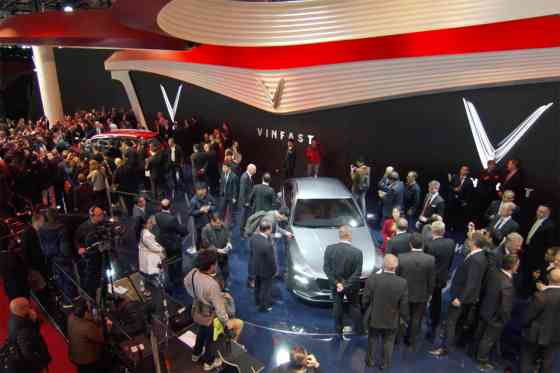
In 2017, Vingroup established VinFast. The brand has bannered itself as the first homegrown Vietnamese car marque to have international (read: export) aspirations. And they got the ball rolling fast indeed, as VinFast made its debut on the world stage at the 2018 Paris Motor Show. They went to the show with the Italian-designed and BMW-based Lux A2.0 and Lux SA2.0 models.
The speed was helped by timing too: VinFast bought General Motors Vietnam amidst the American automaker’s pullout in the region. That acquisition meant they weren’t exactly starting from zero, but rather with experience and a partnership that gave them their first car based on an Opel.
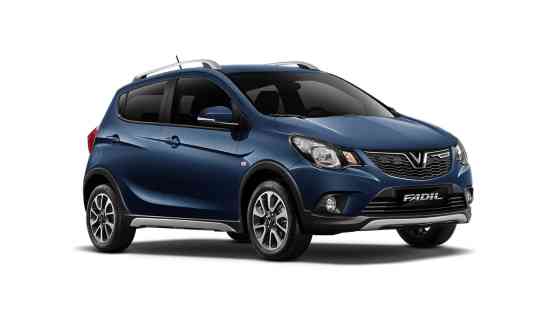
That helped them get going in a hurry, and in June 2019, VinFast would roll out their first vehicle: a $17,000 small hatchback called the Fadil, a rebadged Opel Karl. The BMW-based models shown in Paris would later follow.
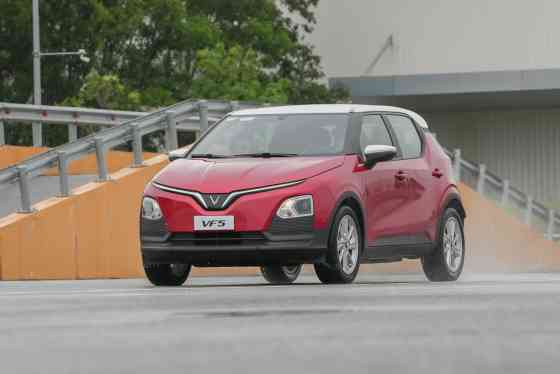
Five years after rolling out its first vehicles from its factory, VinFast has been busy trying to prove its presence in the global automotive industry. They have so far entered the North American and European markets in the past few years. The road has proven quite challenging for the brand in the very critical US market, as reviews have been far less than flattering.
Now they’re changing strategy, as more recently VinFast has refocused on establishing themselves in the ASEAN neighborhood. That’s why they’ve been launching in Indonesia and Thailand. And now, they’re preparing to enter the Philippines.
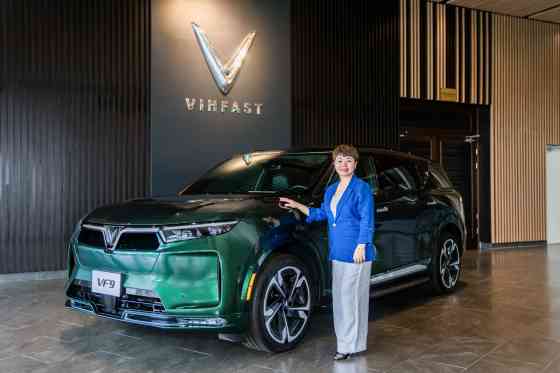
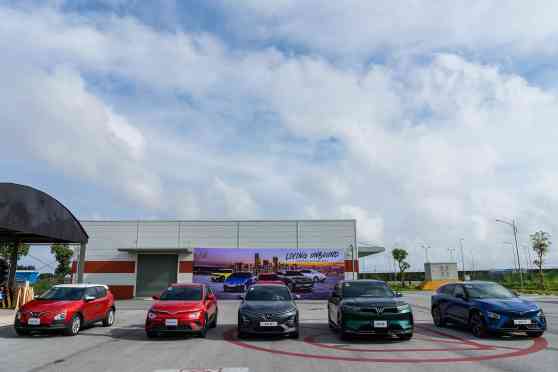
At the end of May, VinFast has officially announced itself in the Philippines. They showed off a quartet of models: the VF5, VFe34, VF7, and VF9. They also announced that they have officially signed four dealer partners that would help them roll out their cars on the Philippine roads, as well as provide aftersales services.
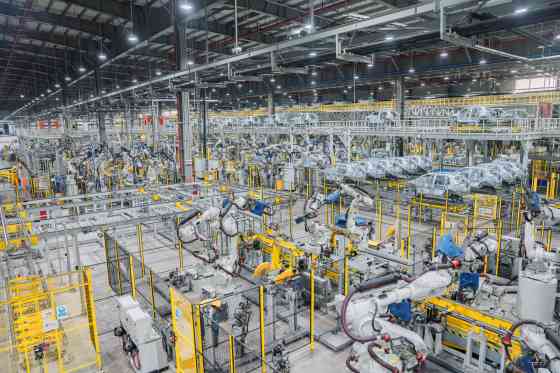
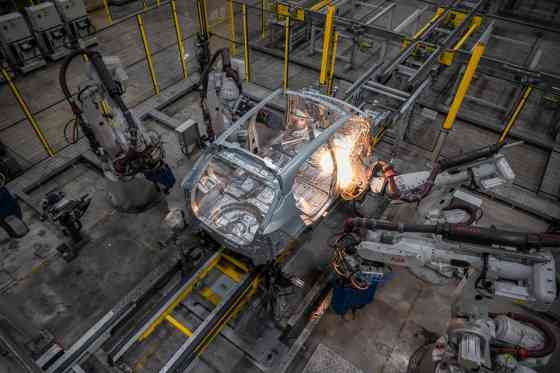
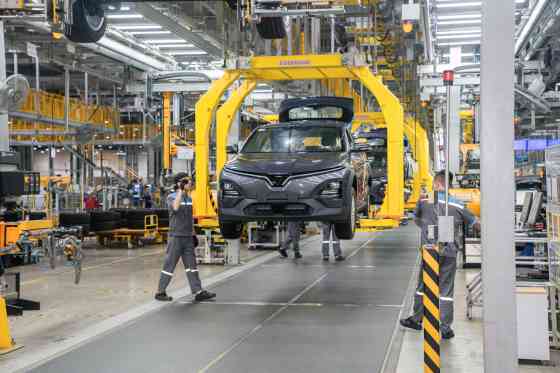
Still, we know little of VinFast, so they decided to bring us to Vietnam to immerse ourselves in what they have to offer. We started at a massive 335-hectare greenfield manufacturing complex in Hai Phong City, east of the capital, Hanoi. The facilities here assemble VinFast electric motorcycles, electric cars, and electric bus offerings. VinFast also claims that their car factory (complete with press shop, assembly shop, engine shop, and paint shop) was completed in just 21 months.
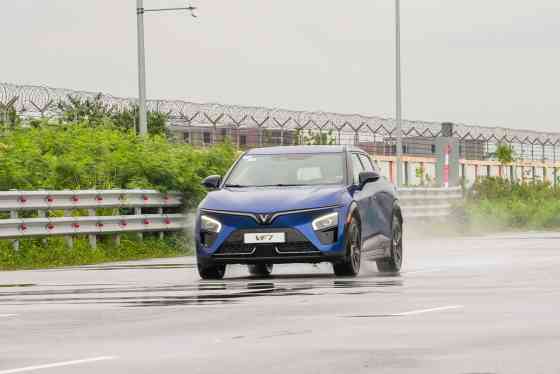
They also gave a “test drive” of their cars, but there isn’t much to write home about yet. We wish they had prepared a better program than just handing us the keys and driving in a straight line, making a turn, and driving another straight line yet again. It only showed us the acceleration of the cars and nothing much of the vehicle dynamics or anything of substance. Their program left me with more questions than a conclusion.
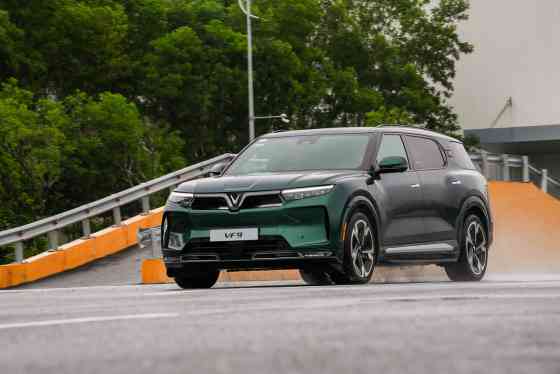
We know many have been harsh about their cars, but perhaps the best aspect about VinFast is that they really want to do well and that they listen. VinFast representatives have been very receptive and open to inputs about their vehicles; an admirable trait for any company, be they in automotive or otherwise. But they have to move faster if they want to keep up with an increasingly competitive automotive landscape.
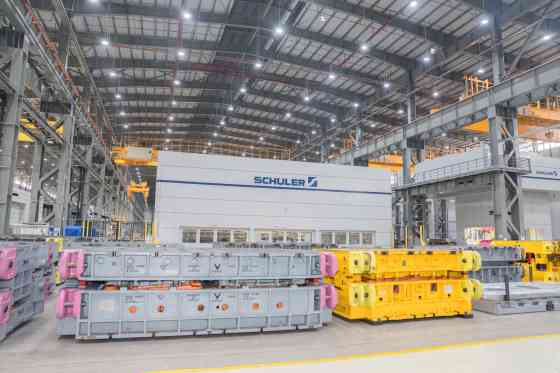
As of this writing, the automotive business has proven quite challenging for VinFast. They have reported a net loss of $2.4 billion in 2023, and Vingroup has had to move resources around to keep the business rolling. Vingroup has divested its majority shareholding of Vincom Retail, its mall operating arm which contributes a significant chunk of business, while Chairman Phạm Nhật Vượng reportedly infused personal funds to keep the car business rolling.
We hope they do because there is real potential here. Based on our visit and short experience with the cars both in Vietnam and Manila, what we see is a need to attract experience from other automakers to make it to their ranks. A lot of the things we noticed can be addressed by finding key people to infuse their experience in R&D, testing, manufacturing, design, and more.
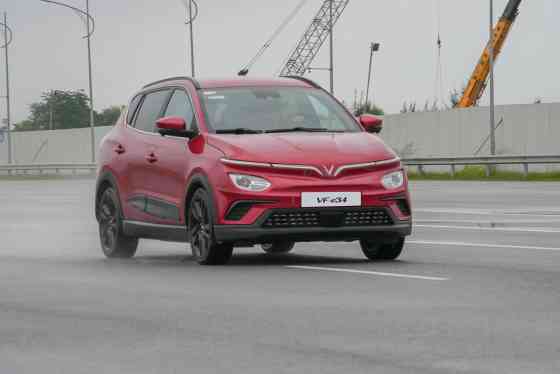
We have had only a brief drive of their cars -the equivalent of a supermarket taste test- and there are things that need improvement. We’ll reserve our opinion once our boys at AutoIndustriya have had a more extensive test of the cars and for sure Vince and the team will have feedback.
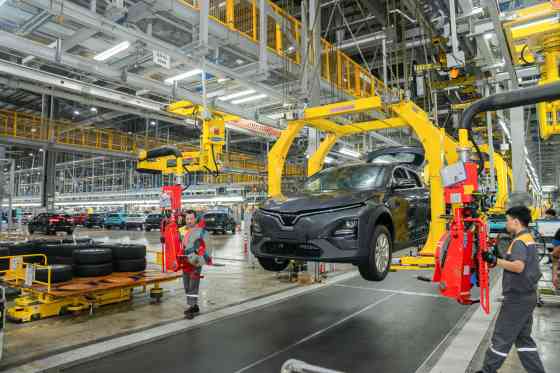
Vinfast isn’t perfect. We know that. They are the outsiders of the auto industry; neophytes in an industry that is cruel to newcomers. But that also means it’s not fair for us to judge them using the same checklists, grading sheets, and yardsticks that we would use for mature and established automakers. It will take time, and while the world may not have time for them, we’ll accord them the time to make the better impression that we know they are capable of.
Why should we give them the time of day, you may be wondering? Our reason: what goes around, comes around.
If there does come a time when someone in the Philippines gathers the resources to establish, develop, engineer, produce, and market cars under a homegrown automotive brand, we hope the automotive journalists of the world treat them with the same open mind, deliver honest constructive feedback, and give them a fair chance at making it.
That’s what we would want if the time comes that we have our own.