Tire Talk: 5 causes of gradual air pressure loss

How to solve slow tire pressure loss
It's easy to take the tires on your car for granted. Tires are the component that need the least amount of maintance, unlike an engine that needs oil and attention, or an A/C system that needs frequent cleaning.
Without question, the set of tires on your car is the key to safely get you from one destination to another. It has to endure all kind of road condition and under extreme temperatures and never miss a beat. Aside from regular washing and the obligatory application of "tire black" to make it look shiny and new, all a tire really needs is plain old air to achieve proper inflation. This greatly affects overall vehicle safety and help promote its service life. This explains why it is very important to get the proper tire pressure reading.
Out on the road, you'll find most car owners having their tires checked on a weekly or monthly basis either at home or at the gas station. But should you be worried if your tire pressure happens to be a few PSI (or bar) lower than before?
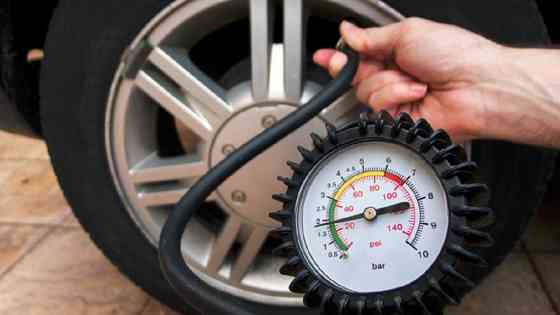
Before you head to the nearest tire shop for repair, did you know you could easily do the inspection by yourself?
First, start off with a visual check to make sure that all four tires are in good condition. Usually, the areas of the tire that you'll need to check are the sidewall and the tire tread itself for any signs of debris or slits that could cause a leak. You can also use a flashlight on the tread, looking for any kind of debris that may stick out. If there's a little glint when you shine a light on it, then there's your answer.
Once everything checks out, the loss of PSI is not something to be alarmed about. Read on as we’ve gathered together the common causes as to why your tires are gradually losing air.
1. Change in Temperature
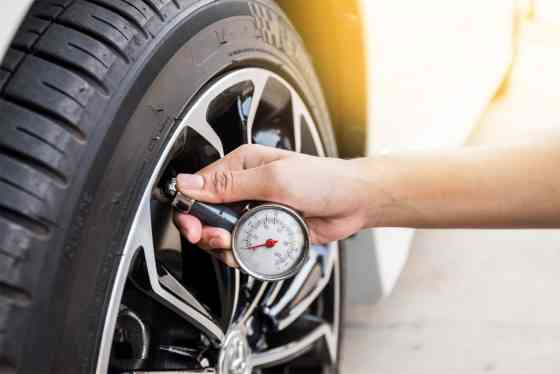
This is the most common reason why tire pressure changes. As the temperature rises or falls, this causes the air inside your tires to expand or contract. Exposing your tire to heat will cause the air molecules inside the tire to expand causing a tire pressure increase. Conversely, in rainy and cold weather conditions, the molecules in your tires contract which explains lower tire pressure readings.
It is better to check tire pressure when the tires are cold, like in the morning before you head out to get the most consistent results. This is because driving generates heat which then causes the air in the tires to expand and increases the air pressure. Checking the pressure after driving may elicit higher results as compared to when it is still cold.
2. Permeation
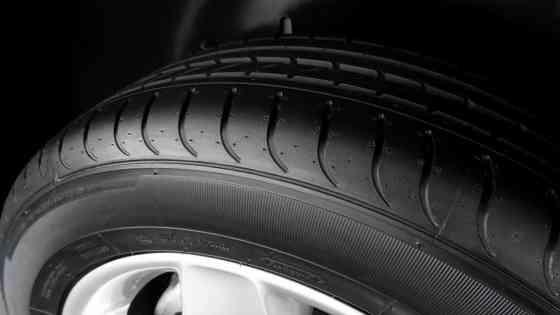
Tire rubber is not entirely airtight, meaning air molecules can escape through the tire’s sidewalls over time.
This gradual air loss, known as permeation, is a natural occurrence and can lead to a slow drop in tire pressure, even without visible damage or punctures. Some tire rubber blends are just more permeable than others, meaning air tends to escape easier. It’s no cause for alarm, but you should regularly check your pressure.
Note: The recommended tire pressures for your vehicle can be found on the driver’s side door sill or in the owner’s manual in case you need a guide.
3. Tire Valve Issues
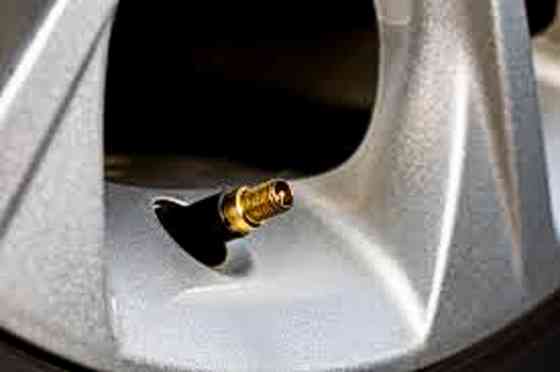
The tire valve plays a critical role in maintaining tire pressure. Over time, these components such as those made from rubber can deteriorate and crack, causing air to bleed out.
Even the aluminum or stainless-steel ones can also develop leaks if they become loose, or if the rubber gaskets deteriorate, resulting in slow air loss from your tires. Regularly inspect these items for any signs of damage or defect.
4. Wheel Damage
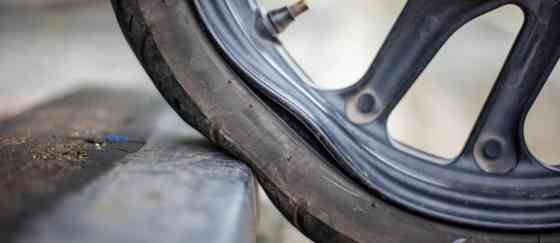
Damage to the wheel, such as a bent outer or inner wheel or corrosion from rust (in the case of steelies) can create small gaps between the tire bead and the wheel’s surface. These very small gaps can allow air to escape gradually, leading to a slight loss in tire pressure. Ensuring that all four wheels are in good condition is essential for maintaining proper tire pressure.
5. Tire Bead Leaks
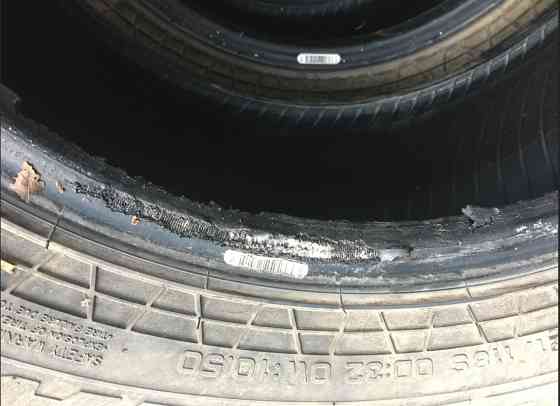
The tire bead is the inner edge of the tire that seals against the wheel rim. If this gets damaged or ripped due to improper tire dismounting/mounting, it can lead to gradual air leaks. Proper installation and using the right wheel/tire mounting tools are crucial to prevent the tire bead from damage.
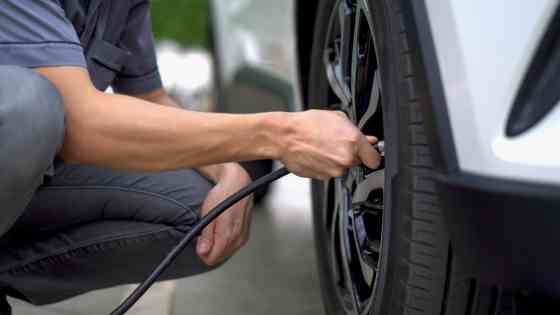
The mystery why your tires gradually lose air even without visible punctures can be attributed to these factors. Understanding these underlying causes is crucial to maintain optimal tire air pressure and ensure a safe and efficient driving experience.
We would recommend weekly or monthly tire pressure checks whether your car is driven on long or short distances. Inspect the tires for damage which will help pre-empt any problems before they become worse.
If your tire pressures keeps on dropping significantly despite filling it with the right amount of air over and over, have it checked immediately by a tire technician as this could indicate a puncture or damage. Keep in mind that regular tire maintenance and inspections all you need to do to prevent gradual tire air pressure loss so you can confidently hit the road, knowing your tires are in optimal condition.