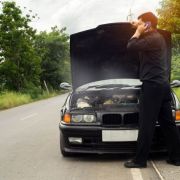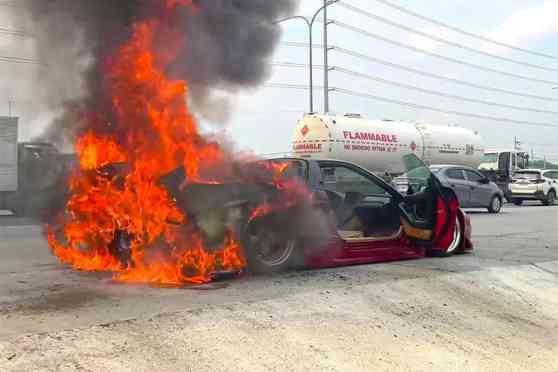
Safety Tips: Dos and Don'ts of a burning car

Knowing what to do when a car fire happens
One of the most dangerous emergency situations for any motorist is when your vehicle suddenly catches fire while you're driving.
Sometimes it's some kind of mechanical failure, as there are a lot of things that are combustible in any car. Fuel, wiring, carpets, fabrics and plastics are all combustible. The most common areas where it could start is the engine bay or something fuel system related. For the smokers out there, maybe that cig you were going to flick out the window (you shouldn't smoke or litter) didn't go quite as far as you wanted.
Whatever the cause, you will be likely be in shock and may start to panic. That's understandable, but you have to act quickly as vehicle fires can spread rapidly.
If you smell smoke or see flames coming from your car while driving, knowing what to do can help prevent injuries or even save lives. Follow these steps if you're driving and you detect that something might be burning or if a fire suddenly starts.
Pull Over ASAP
Safely pull over to the shoulder or side of the road as soon as you can and switch off the vehicle. This stops the flow of fuel in gasoline-powered cars and should cut off all electricity going to the different components. It also shuts down the powertrain and accessories in Electric Vehicle’s (EV’s).
If you can (and if you're lucky) try to pull over near (not inside) a gasoline station. The reason is because gas station staff are trained (hopefully) and equipped (again, hopefully) to put out automobile fires. If they're not trained, you can run to the pump and pull the larger fire extinguisher. If you're even luckier, there's a firetruck nearby.
Also be aware of your surroundings. Never stand on an active roadway. If you’ve managed to park the car by the side of the road or shoulder, stay far behind the vehicle to avoid the risk of being hit if another car strikes your vehicle.
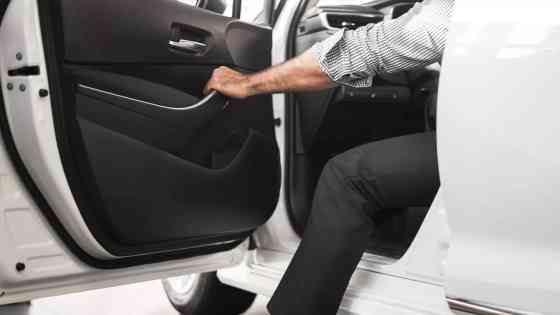
Get Out
Get yourself and your passengers out of the car as quickly as possible. Just like on an airplane emergency, don't try to bring everything with you. Save yourself and your loved ones, grab what essentials you can and get out.
Stay at least 100 feet away from the car. It’s also a good idea to stay upwind, to avoid inhaling toxic smoke and staying out of the path of the potential spread of wind-driven fire.
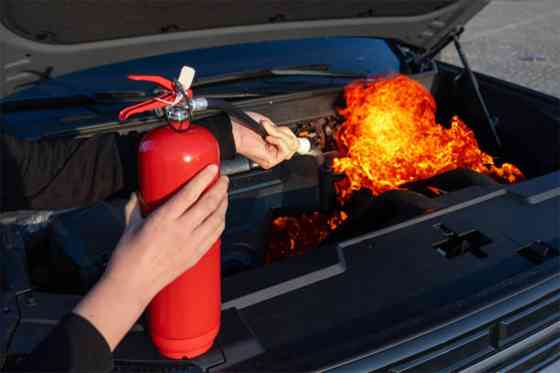
Use An Onboard Fire Extinguisher
Here’s where you’ll need to make a judgment call. If you have a fire extinguisher in the car and the flame is still relatively small, try to retrieve it and douse the flame. But if the fire is already very large, and especially if the engine is on fire, it’s better to get as far away from the vehicle as possible. Wait for the firefighters to arrive.
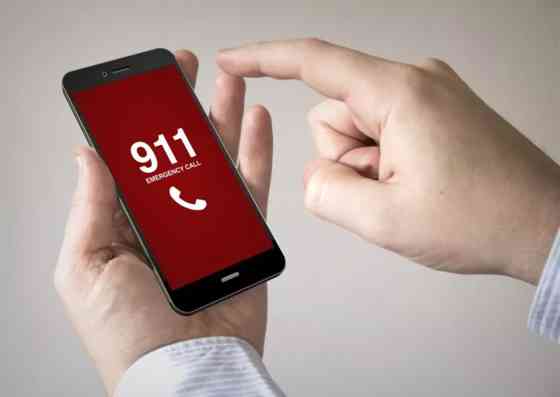
Dial Emergency Numbers
Having reached a safe spot away from the car, call emergency services at once and ask for immediate assistance.
Skyway Hotline: (02) 824 2282, (02) 776 7777, (+63) 917 539 8762
North Luzon Expressway (NLEX): 1-35000
South Luzon Expressway (SLEX): (+63) 917 687 7539, (49) 508 7539
Subic Clark Tarlac Expressway (SCTEX): 1-35000
Tarlac Pangasinan La Union Expressway (TPLEX): (+63) 917 888 0715
Manila Cavite Expressway (CAVITEX), Cavite Laguna Expressway (CALAX): 1-35000
Metropolitan Manila Development Authority (MMDA): 136
Bureau of Fire Protection: (02) 8426 0231, (02) 8426 0195
Philippine National Emergency Hotline: 9-911
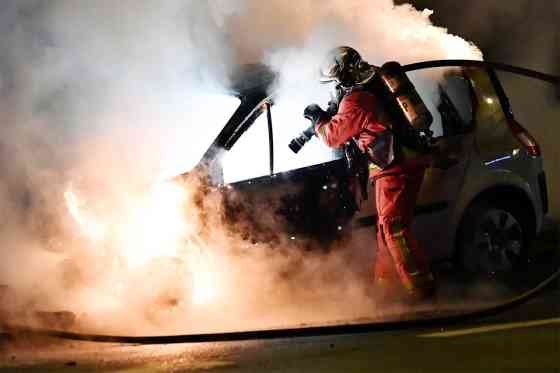
Bottom Line
While car fires rarely happen, knowing how to react can make all the difference. Staying calm, getting everyone out of the vehicle promptly, and calling emergency services are the key steps in ensuring your safety and the safety of others on the road. It’s important to go as far away from the burning car as possible.
Don’t be brave and put out a fire that’s more than a small flame. Remember, it’s better to lose your car than your life. By understanding the proper procedures and taking preventive measures, you can get through this challenging situation with confidence and composure.
Oh, and be sure to update your insurance. An unforeseen situation like this is what insurance is for.