Be a Prepared Motorist: 7 essentials to cover most emergencies

What emergency kit should you have in your car?
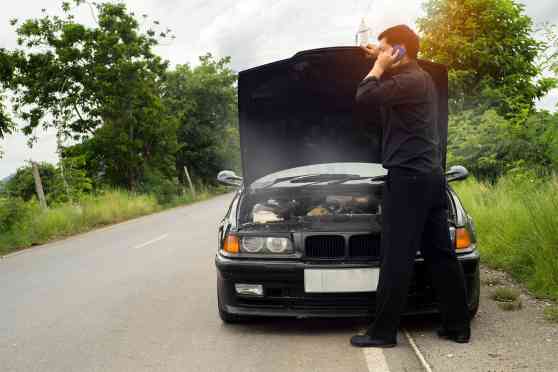
On our roads, anything can happen. Whether it’s a flat tire, an overheating engine, or any other roadside accident, it really can be a jungle out there.
That's why having the right items or tools standing by in your trunk can make all the difference. A basic emergency kit can become a lifesaver in unexpected situations while on the road.
So what constitutes a good emergency kit? What specific items should you have in your car?
We can't prepare for every emergency; that would mean your trunk might end up being full. We want to keep it down to the essential items, so we thought of lucky number 7 which can help you get your vehicle back in running order and help you stay safe or even aid in remedial action until help arrives.
1. A Liter of Distilled Water
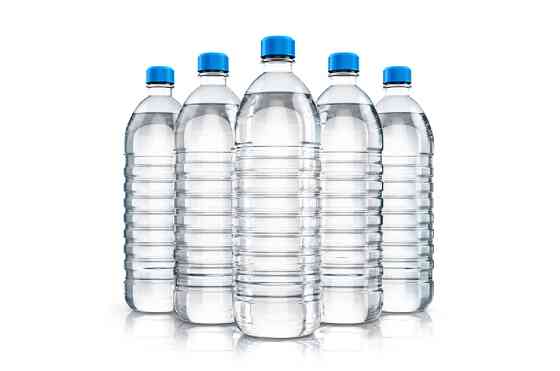
Always keep a liter or two of distilled water or even purified water in your car. It can be used for a variety of purposes such as, temporarily filling the radiator, cooling down the engine, washing hands, or even general cleaning. More importantly, drink water to stay hydrated in hot conditions until help arrives.
2. First Aid Kit
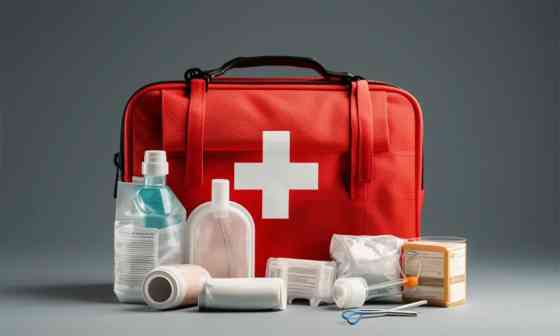
A first aid kit can be bought or assembled to suit your preference. Either way, a good first aid kit should have: Band-aids, gauze pads, surgical tape, scissors, anti-bacterial wipes, paracetamol, cotton balls, gloves, bandages, antibiotic ointment, and such. These can treat mild injuries, alleviate symptoms, and prevent infections until professional medical care arrives.
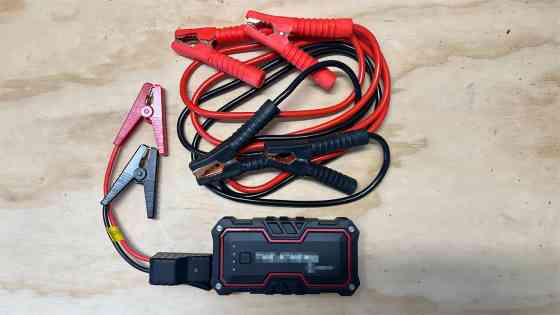
3. Portable Jump Starter/Jumper Cables
In most cases, you can always restart a defective or weak battery by using jumper cables connected to another vehicle. The only problem is when there’s no other vehicle to connect to. This is where a portable jump starter comes in handy as it can jump-start a car all by itself without the need for another vehicle's battery.
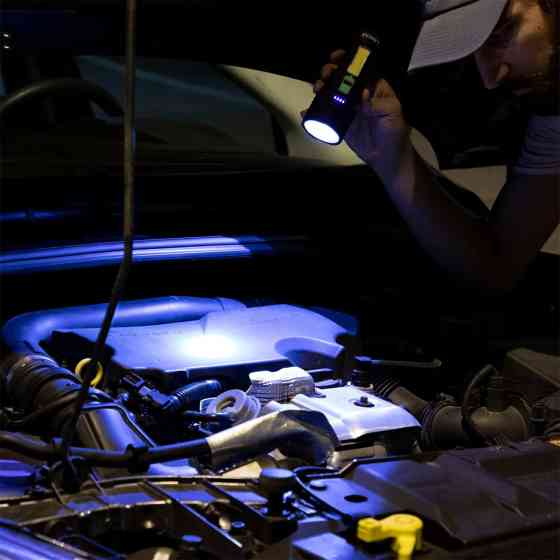
4. Flashlight
Day or night, this is an important part of an emergency kit. A flashlight allows you to properly see and check what’s wrong with the car to make the needed repairs. Whether it’s providing light under the hood or changing a flat tire in the dark, it’s a good thing to have.
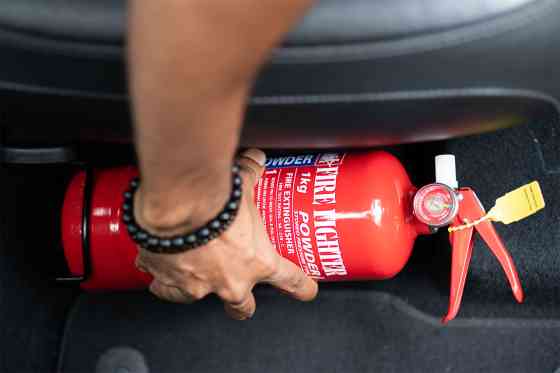
5. Fire Extinguisher
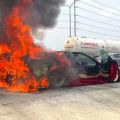
It’s very important to include a fire extinguisher in an emergency kit, as a car catching fire is one of the most dangerous situations. Just a word of caution, if you can retrieve the fire extinguisher and the flame is small, try to put it out right away. But if the fire is already very large, get far away from the vehicle. Wait for the fire department if the car is engulfed in flames. Also, make sure you have insurance.
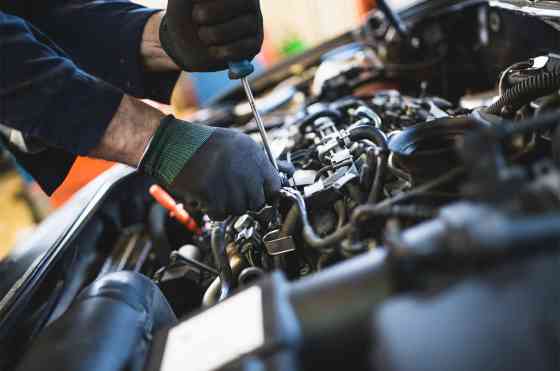
6. Gloves
Whether it's checking things under the hood or changing a flat tire, it’s fairly easy to get blisters, cuts, or even burns when working on hot engine components. This is where a pair of mechanics or all-purpose gloves comes in handy to keep your hands protected at all times.
7. A spare if there’s no spare
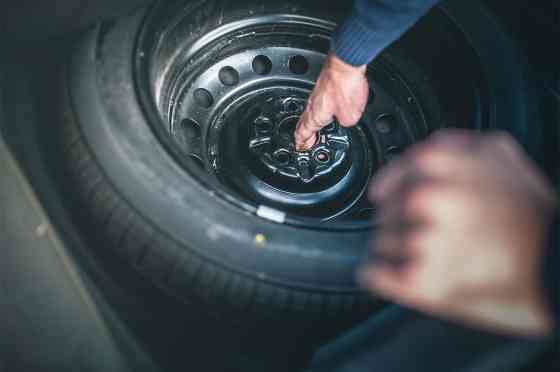
Most vehicles normally come with a spare tire and tire-changing equipment. But if you’re missing any one of those items (like on a car without a spare), it won’t be of any use. Try using a tire repair kit on a fully blown or destroyed tire. It goes without saying: be sure to always have a working jack, lug wrench, and a spare tire that’s properly inflated.
Bottom Line
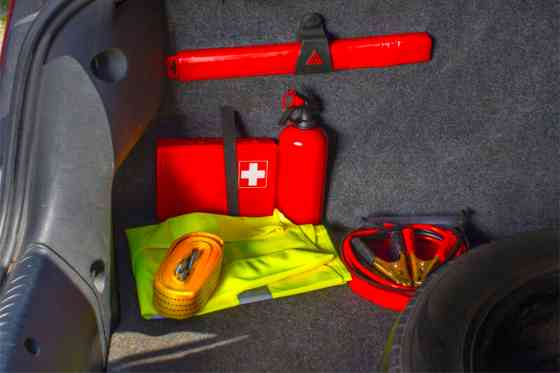
Admittedly, there are still a lot of items missing here that are worth including like tow straps, basic tools, or even a multi-purpose tool like a Swiss Army knife and more. But take note that this article only covers the bare essentials. What’s great though, is that this serves as a mere starting point for you to create your own version of an emergency kit based on your vehicle and needs.