Long Weekend Ahead: What to check and prep for any long drive

Enjoy your long weekend by exploring the Philippines
We wouldn't be surprised if the Philippines is the country with the most holidays on the planet. Every year there are 18 official national holidays (plus other local holidays), and many of these holidays fall on the weekend, making for extended vacation days for many Filipinos.
For us who love to travel, these long weekends are the perfect opportunity to be on the road and travel to the beautiful spots our country has to offer. But if you're not prepared, it can be a real hassle.
So before you hit the road with your loved ones, especially those who are doing it for the first time, we have listed down a few things to check and prepare for based on our experience from many long rides aboard my motorcycle, as well as other long road trips like the recent Philippine Loop.
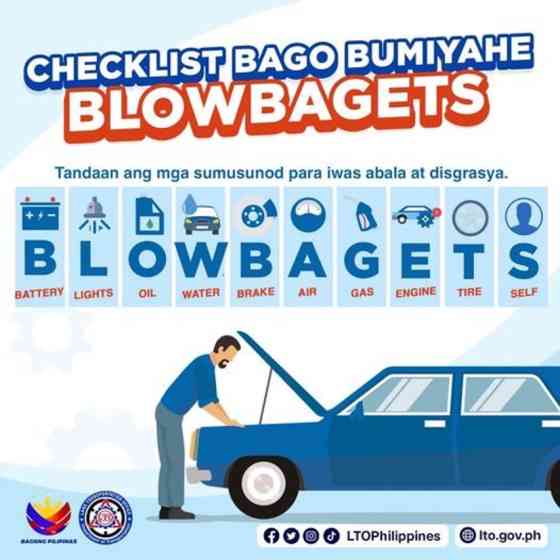
BLOWBAGETS is probably the cringiest acronym ever, but it's useful: Check the Battery, Lights, Oil, Water, Brake, Air, Gas, Engine, Tire and Self.
Inspect the battery for a possible loose connection, corrosion, or even the fluid level if it’s not a maintenance-free type. A good battery from a reputable brand could last anywhere between 3 to 5 years, so if your vehicle’s battery is already near or past that, it is prudent to replace it with a new one before hitting the road. The last thing you want is a dead battery in the middle of nowhere and the shops are all closed due to the holiday.
Check your vehicle’s lights and see if there’s a busted bulb that needs replacement or if the wire connections are all OK. Check if your vehicle’s oil level from the dipstick is still within the specified level: top up if necessary or do a complete oil change if the oil is near or has exceeded the manufacturer’s oil change interval.
Also check for the correct radiator coolant level, brake fluid level, tire air pressure, gasoline or diesel level on the fuel tank, tire wear and spare tire, and of course the most important of all – the driver. Check and see if you’re physically and mentally fit for the long hours of driving on the road. Do you have the driving skills for that long drive? Are you taking meds that could impair your driving?
Also, make sure that you bring with you the basic tools for your vehicle.
Now, after checking the items above and fixing/replacing what is necessary, let me share with you what to expect during your travel so that you can prepare accordingly.
1. Bad Roads
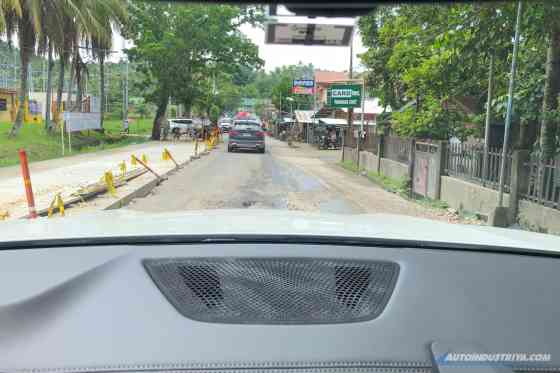
The Philippines doesn’t have a good track record when it comes to road maintenance, and even if roads are being maintained, the timing is almost always off... like election season.
You need not go far from Metro Manila to experience bad roads. In SLEX, for example, the southbound is littered with big potholes that could damage your vehicle’s tire and worse, alloy wheels. If you are traveling further south, the roads in the Bicol area (even before typhoon Kristine) and Samar were quite terrible the last time we passed by; I'd say these are some of the most ragged roads I've tried in the country.
This is why you need to check your tires, as these roads have sharp potholes and rocks that can bring out the need for a spare. While many cars may not be blessed like SUVs with extra clearance and chunkier tires, a standard sedan should be OK. If you're driving a car with low-profile tires, just exercise caution and pay attention to dangers on the road.
2. Data Not Guaranteed
In my experience, there are areas where internet connection can be problematic.
During the Philippine Loop, we didn’t have any issues as far as the internet connection during the Visayas-Mindanao leg of our adventure. During the Luzon leg, the internet connection in many of the places we stayed had intermittent to zero connection except in Baguio and Vigan. From Pagudpud all the way to Aparri and down to Isabela and Aurora, there is little to no connection from their internet service providers (ISPs) and the mobile data signal is weak.
If you have to work remotely or require a fast and uninterrupted internet connection, better bring your own Starlink if you have one.
3. Power Outages
If you drive past any of the malls in Metro Manila, try opening a window and listen. Chances are, you'll hear the generator set running.
The reason for that is the country’s power grid can barely keep up with the energy demand during peak hours, so many establishments actually run their generators to augment the power. In some places outside Metro Manila, you should be prepared for power interruptions during peak hours so make sure that you bring an extra battery or power bank during your travel.
It would also help you bring those handy jet fans to keep you cool during these power outages.
4. Other Road Occupants
For first-timers doing a long drive, expect to encounter many tricycles hogging the middle lane of the national highway in the provinces. There are also kuligligs (makeshift farm tractors) and other slow-moving vehicles (e.g. horse or carabao with carriages) so make sure to bring lots of patience. You might also experience traffic gridlock in small towns due to the sudden influx of tourists/travelers.
Additionally, when you enter secondary or tertiary roads in the provinces, expect to encounter dogs, cows, goats, or even rice that is being dried on the road. Drive with caution.
5. Manage Expectations
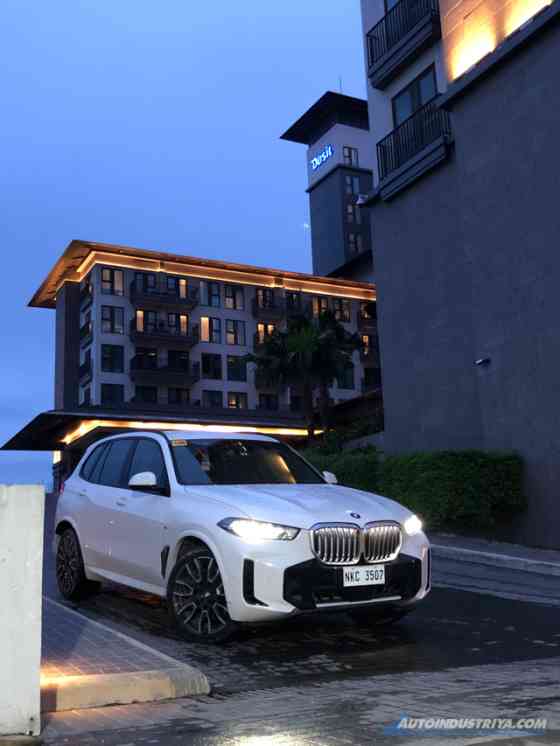
While there are a lot of nice hotels in the big cities or island resorts like Boracay or Pearl Farm, in most areas a nice hotel could be just one with clean rooms and bathrooms. 5 star isn't on the menu in most places, so it's best not to expect that.
Speaking of the menu, while most do have a decent restaurant, some have food that isn't worth the price and the calories. Manage your expectations while in these parts of the country.
6. Try Local Cuisine
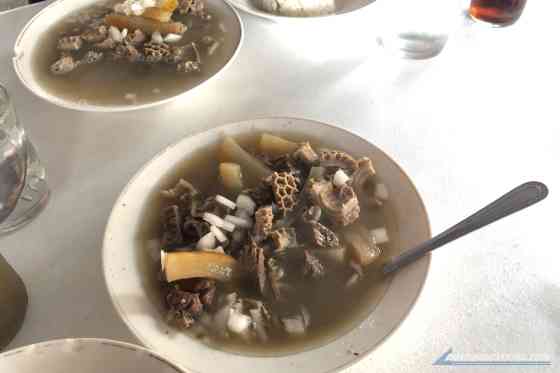
Being an archipelago, the Philippines has a diverse culture and diverse culinary offerings. Don’t be a KJ: go out and try the local cuisine in the place you visited.
Try out Ilocos’s empanada, and sinanglao, or try out Davao’s durian and Bicol’s chili-infused delicacies. Avoid big fast food franchises like McDonald’s or Jollibee when traveling. Try out Cindy’s or Bigg’s Diner instead.
7. Cash Is King
Here in the metro, online payment is already the norm, and people can go out to dine, shop, or refuel even without bringing cash. In the provinces, things are a bit different and cash is always king.
Before you embark on that long drive, make sure that you have enough cash with you as establishments in the provinces may not have cashless terminals available for the customer. Make sure to bring cash in small denominations, and be sure to withdraw beforehand. ATMs may be too few and far between, depending on where you go.
8. Read The Map
Many of us are used to just punching in a destination on Waze, Google Maps, or Apple Maps, and that's perfectly fine. On a long drive, we recommend doing one better and actually scanning your route beforehand and possibly even checking for roadblocks and other potential detours, depending on traffic. It's also good practice to plan where you can stop to eat or find clean restrooms, especially if you have ladies in the vehicle with you.
All set? Make sure to enjoy your travel, drive defensively, and take lots of photos and videos and help promote the beauty of the Philippines.