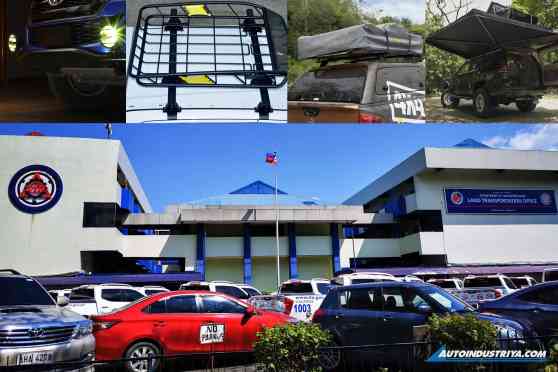
FYI: You need to register these popular 4x4 overlanding accessories with LTO

If you accessorized your off-road rig, you'll need to read this
Whether driven by practicality or visual appeal, the sustained demand for pickups and SUVs in the local automotive market highlights the evolving preferences of today’s car buyers. Beyond simply owning and maintaining these vehicles, many enthusiasts take it further by personalizing and customizing them, as local car culture strongly revolves around individuality and practicality.
Supported by a vast and readily available range of aftermarket parts and accessories, it comes as no surprise that styling trends gravitate towards off-road and overlanding setups designed to promote outdoor adventures and rugged lifestyles. Unlike performance-focused upgrades typically found in the engine bay or suspension, most off-road and overlanding accessories are installed on the vehicle’s exterior.
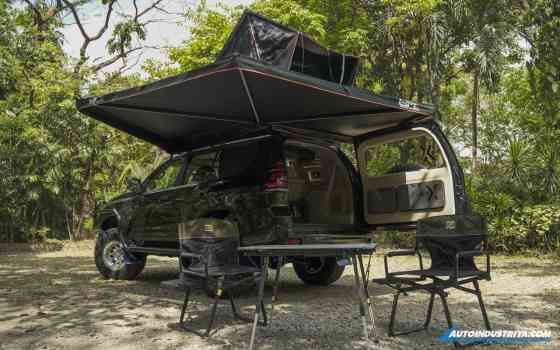
While it may sound simple enough, this is also where complications may arise, particularly with the Land Transportation Office (LTO). The LTO enforces specific guidelines for certain off-road accessories that must be properly registered to ensure the vehicle remains road-legal. Failure to have these accessories registered may result in a hefty fine for operating a vehicle with improper, unauthorized, or defective accessories.
Generally, modifications that alter a vehicle’s appearance, dimensions, or configuration require LTO registration, while standard, non-invasive, or easily detachable accessories may not.

Building an off-road or overlanding rig is an enjoyable shared experience as this involves the whole family or barkada exploring out-of-town destinations. However, before heading out to the mountains for a trek or camping trip, it’s important to know what kind of accessories need to be registered with the LTO.
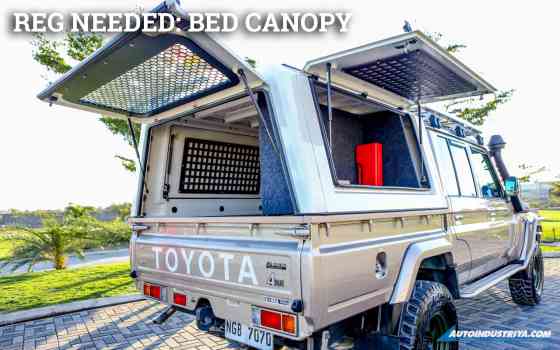
Also referred to as a camper shell or truck topper, a pickup bed canopy is a hard or soft enclosure that’s mounted directly onto a pickup truck’s bed rails. Typically constructed from fiberglass, aluminum, or canvas, it creates an enclosed and weatherproof space suitable for secure cargo storage, camping, or utility applications.
The Land Transportation Office (LTO) has issued a memorandum requiring pickup bed canopies to be covered by a Top Load Permit, as they alter the vehicle’s appearance and body configuration. This permit can be secured during the annual registration and costs around PHP 100–PHP 200.
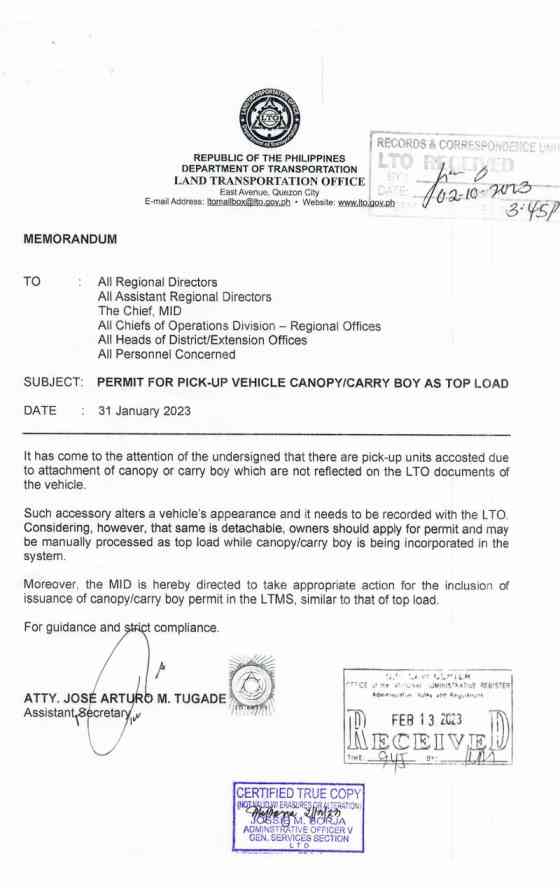
Even when detachable, these canopies affect the vehicle’s overall height, weight distribution, and handling characteristics, and must therefore be properly documented.
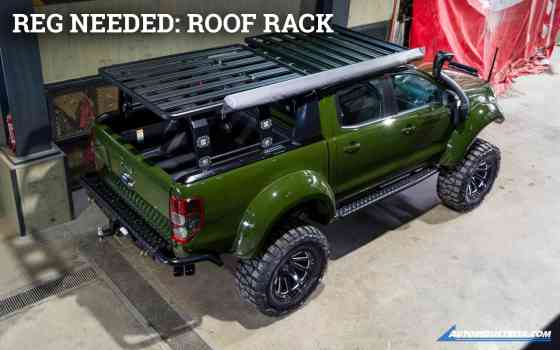
Used on pickups, SUVs, and other vehicles, roof racks are available in both vehicle-specific and universal designs. Typically mounted on the roof to increase cargo capacity, allowing excess or bulky gear to be transported securely. Roof racks enable safe and efficient transport of equipment and cargo for both work and recreational use.
Aftermarket roof rack systems typically clamp or mount directly to the vehicle’s roof and rely on the vehicle’s structural components for support. Since these systems are not part of the vehicle’s original factory equipment, it requires a Top Load Permit from the Land Transportation Office (LTO) during the vehicle's annual registration which costs around PHP 100–200.
Installing a roof rack affects the vehicle’s overall height, weight distribution, and handling characteristics, all of which must be accounted for in LTO records.The LTO regulates top-loading because it can affect the vehicle’s stability and may cause accidents.
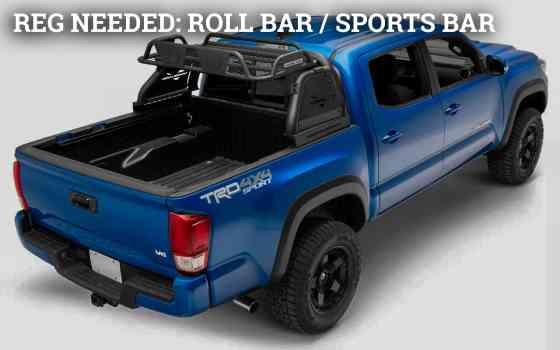
Primarily installed for aesthetic appeal rather than functionality, this accessory is commonly added by pickup truck owners. Because it is mounted directly on the vehicle’s bed, it is classified as a top-load accessory that alters the vehicle’s original dimensions and appearance. Being a non-factory-installed accessory nor part of the vehicle’s original equipment, a valid Top Load Permit is required due to the modification of both the vehicle’s appearance and functionality.
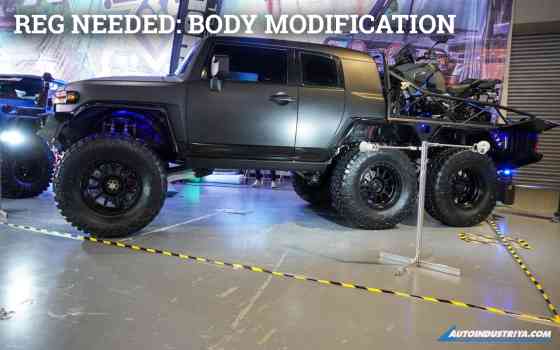
Any substantial modification to a vehicle’s body or chassis, including extensions, alterations that significantly change the vehicle’s overall dimensions, or the installation of permanent body panels or similar structural components, shall be subject to registration. Such modifications must be properly inspected and duly recorded in the vehicle’s Certificate of Registration with the Land Transportation Office (LTO).
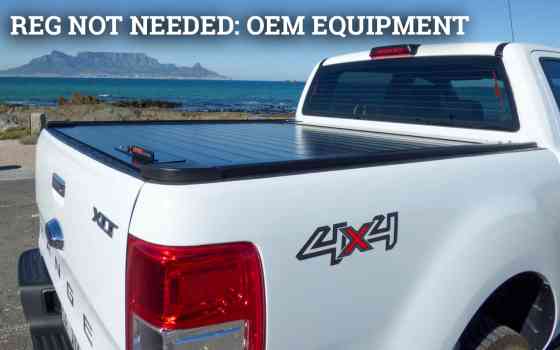
Manufacturer-installed accessories and temporary, detachable items, such as pickup bed roller covers that do not exceed the height of the bed. Temporary bike racks, roof-mounted cargo boxes, portable tents, and awnings, generally do not require LTO registration, provided they do not compromise vehicle safety or visibility. These add-on items are considered cargo, provided they are properly secured to an appropriate roof rack that comes with a valid Top Load permit.
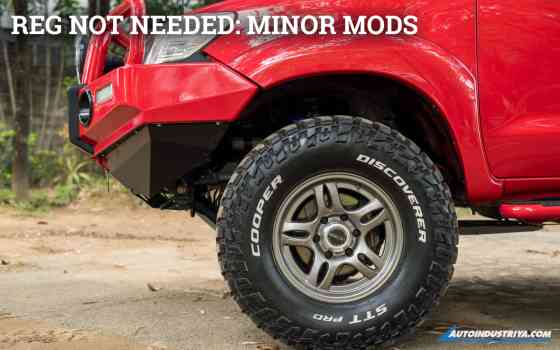
Replacement parts used on pickups and SUVs that meet safety standards and do not significantly alter the vehicle’s approved specifications, such as compliant wheel and tire sizes, suspension lifts, headlights, or mufflers within allowable noise limits are generally permitted without separate registration, as long as they adhere to existing local laws and regulations.
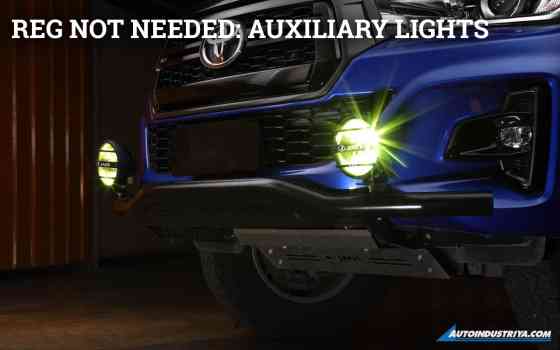
Auxiliary lights are an essential accessory for off-road and overlanding vehicles, as factory headlights often lack the brightness and beam coverage needed to detect hazards such as rocks, ruts, and other obstacles in low-light terrain. There are specific conditions and guidelines to follow, however.
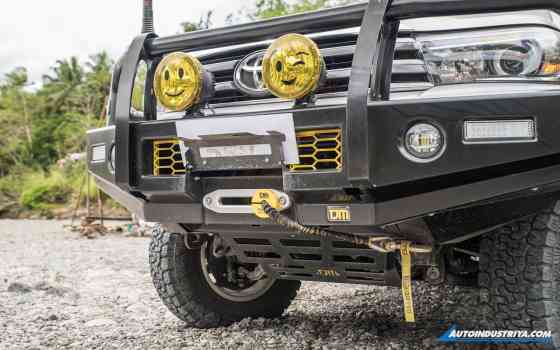
According to the LTO memorandum 2020-2240 of the Private Motor Vehicle Inspection Standards and IRR, fog lamps are permitted provided they comply with specific regulations. These lights must emit only white or selective yellow light and must not be red. Fog lamps should be mounted below the headlamps, equipped with independent switches, and used only during adverse weather conditions such as heavy rain or thick fog when visibility is significantly reduced.
When not in use, fog lamps must be fitted with appropriate covers.
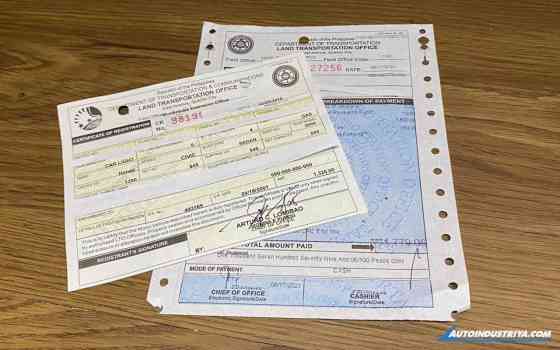
How do I register the accessories on my vehicle?
Off-road accessories or other extreme vehicle modifications that require registration can be processed at any LTO office. The vehicle owner simply presents the vehicle for inspection together with its OR/CR. The permit fee can be paid either during the annual vehicle registration renewal or as a separate miscellaneous transaction. Fees generally range from PHP 100 to 200 for a Top Load Permit and other related accessories or modifications.
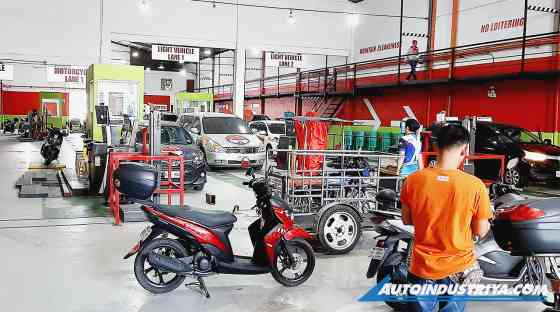
Failure to register required modifications may result in vehicle apprehension and penalties. Under Joint Administrative Order No. 2014-001, fines can reach up to PHP 5,000 for operating a vehicle with improper, unauthorized, or defective accessories. To ensure compliance with current regulations, it is advisable to consult the official LTO website or visit the nearest LTO district office for the most accurate and up-to-date information.
So, before heading off towards your next off-road or overlanding road trip, make sure the aftermarket off-road accessories on your vehicle are legal, secure, and LTO-approved. Register your roof rack, cover your fog lamps, follow safety guidelines, and enjoy all the freedom your adventures demand, minus the fines and risks.
Have you checked the off-road accessories installed on your rig, and do you agree to these LTO regulations? Share your thoughts with us and comment below.