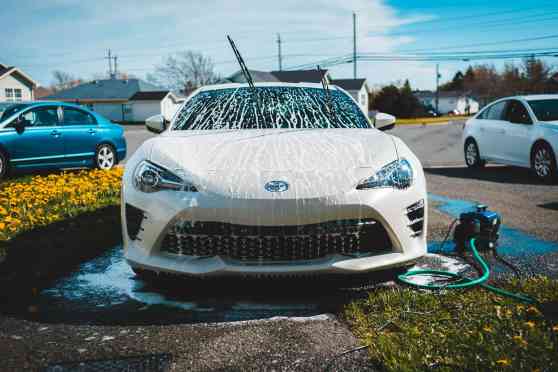
DIY Car Wash: How to avoid damaging your precious car's paint

Do you enjoy washing your own car on weekends?
Despite the urban legend that washing your own car increases the chances of rainfall in the next hour or so, many of us still do it. Yes, it's nice and hassle-free to rely on the neighborhood car wash, but there's something very personal about keeping your own car clean. It's a part of vehicle maintenance and even doubles as a quick physical workout.
Seems pretty normal and harmless, right? But are you aware that you can very easily damage your car’s paint finish?
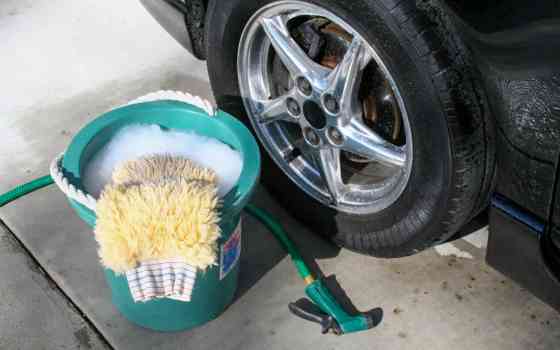
To make it clear, it's not the frequency of washing that causes paint damage, but rather insufficient preparation, improper techniques, and incorrect cleaning methods. Placed in an environment exposed to harsh sunlight, hard water, and fine dust, car paint requires careful handling. What happens here is that paint defects develop over time because the washing method does more harm than good.
To prevent damaging your car’s paint, here are some common car wash mistakes that can cause swirl marks, fine scratches, water spots, a dull finish, and even paint cracking.
Remove all jewelry and metal from your clothes
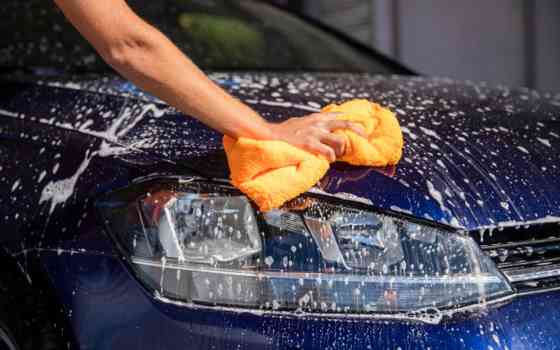
The first is the simplest: remove your ring, bracelet, watch, or even your necklace from your person. Anything metal is generally going to be harder than the paint on your car, and one slip and you could potentially scratch your mirror finish. Also, avoid washing a car whilst wearing jeans as the metal button or zipper can rub against the paint, especially when you try to wash the roof.
Pre-Wash Stage
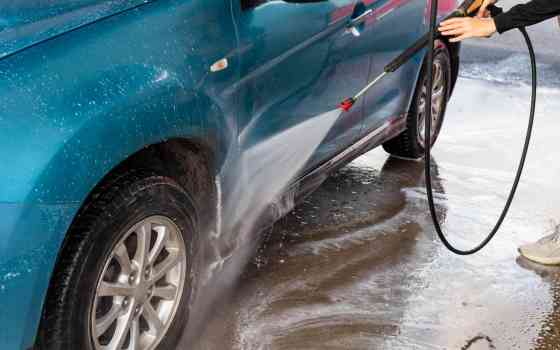
Skipping a pre-wash and proceeding to clean the vehicle directly is one of the leading causes of swirl marks. Abrasive contaminants such as dirt, grit, and asphalt can drag on your car’s paint surface, creating swirl marks and fine scratches that will become more noticeable over time, especially on darker colors. Adopt a pre-wash routine that entails spraying down all the surfaces with water to loosen and remove dirt or grime build-up. This prepares the body before applying car shampoo, making the wash process safer for your paint.
Not using the proper cleaning tools and drying cloths
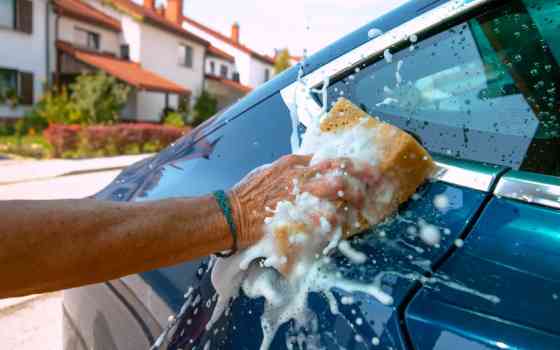
While it does hold more car shampoo, sponges are not ideal for safe car washing. Car wash sponges have a flat surface that traps dirt between the sponge and the paint. As you wipe the surface, what happens is that dirt will be pressed directly into the clear coat, creating scratches and swirl marks. Opting to use microfiber wash mitts is far safer because their fibers pull dirt away from the paint and hold it within the mitt.
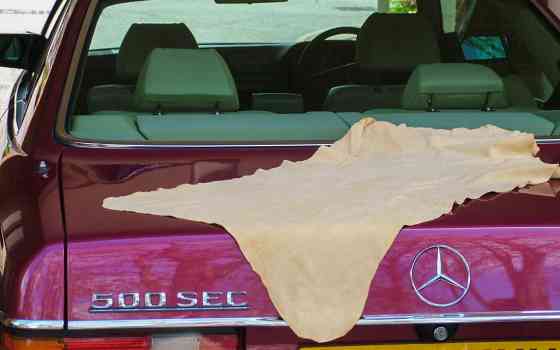
One of the biggest mistakes car owners make is using worn, low-quality cloths or microfiber towels to wash and dry their vehicles. Dirt trapped in old cloths or wash mitts acts like sandpaper, scratching the paint with every wipe, while cheap or inappropriate towels lack the softness and absorbency needed for safe drying. Even clean towels can cause damage if they’re not designed for car detailing, so replacing worn microfiber and investing in quality drying towels is essential.
Washing under the sun and air-drying
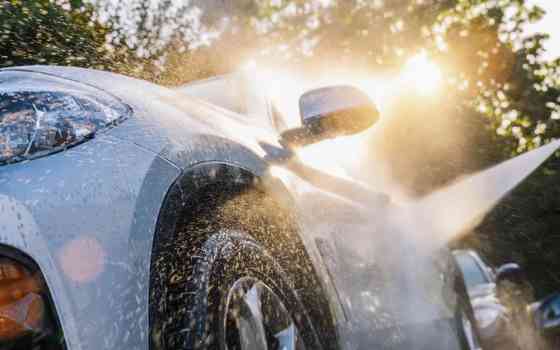
Washing in direct sunlight may seem practical, but it leads to water spots and residue on the paint. This is because sunlight causes water and cleaning products to dry quickly, leaving behind mineral deposits and chemical streaks that become difficult to remove. This also encourages extra wiping, increasing the risk of scratches. In addition, hot panels are especially prone to streaking and buildup, which dulls the paint over time. Always wash your car in the shade whenever possible.
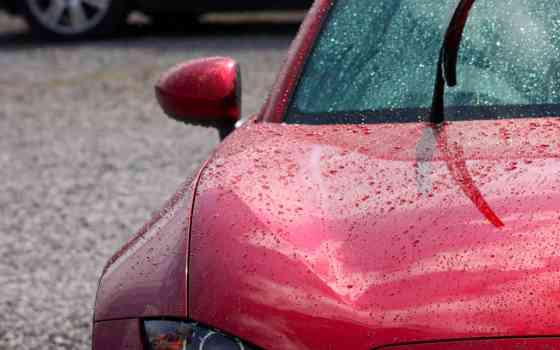
Letting a car air dry seems like less effort, but this causes mineral deposits to become water spots. Tap water contains minerals that are left behind as the water evaporates. These deposits can bond to the paint and become difficult to remove without polishing. In some cases, they can even etch into the clear coat. Proper drying with clean microfiber towels or using air blowers prevents water spots and keeps the finish smooth and glossy.
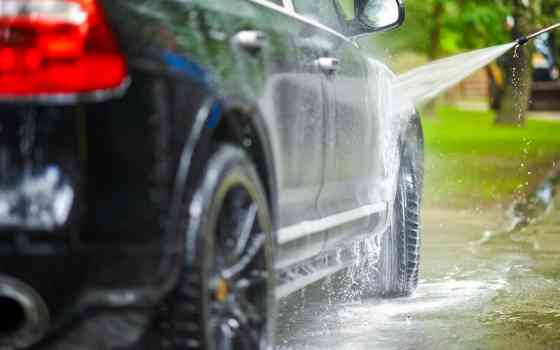
Bottom before the top
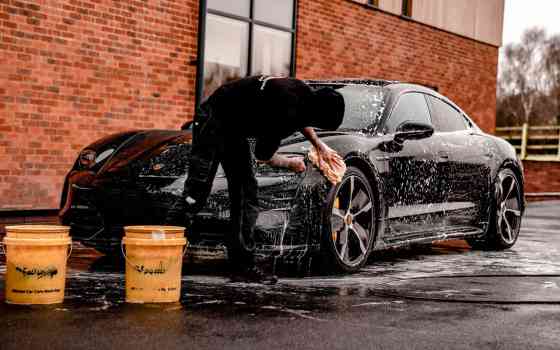
Cleaning the car should start from the bottom because most of the dirt comes from the rocker panels, wheel wells, tires, and wheels. By separating the process of washing the lower part from the rest of the body, this helps prevent dirt and grime from those areas to transfer back and making the car even dirtier.
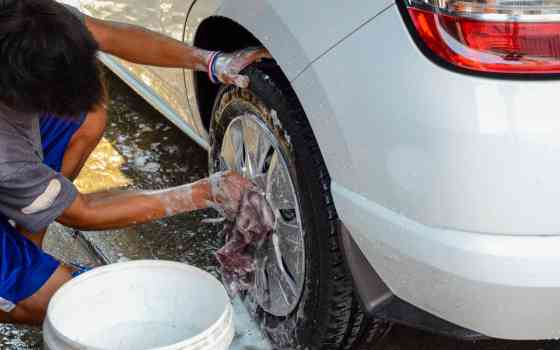
Ideally, the wheels and tires should be washed first as these areas are typically the dirtiest. The washing process should have a separate bucket with a grit separator, a dedicated wash mitt just for the wheels, and a tire scrub to prevent harsh brake dust and dirt from getting back onto the painted surfaces.
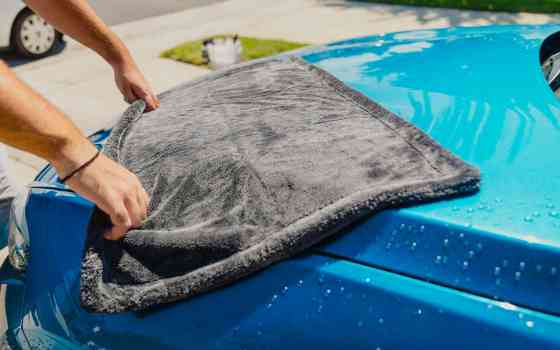
One drying towel for everything
Using one drying towel for the entire car can also lead to swirl marks and scratches, as this could pick up leftover dirt and debris from the rocker panels and wheels and transfer it to the rest of the exterior. It is advisable to have one for the body and one just for the lower portion and wheels. Also, replace old or worn microfiber towels once they lose their absorbency. Separately wash drying towels, wash mitts, and wheel tools, as drying towels are designed to absorb water, not remove dirt.
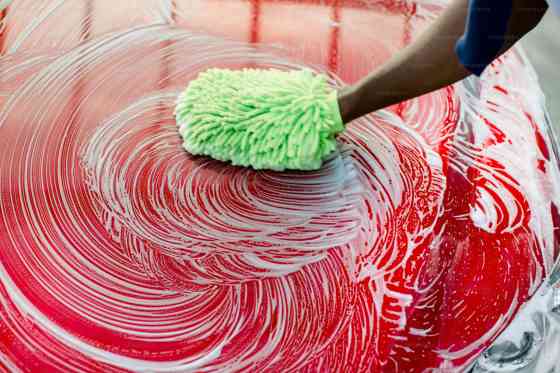
Improper Washing/Scrubbing Technique
Circular washing motions are a common practice, but they greatly impact the paint surface. While the motion itself doesn’t cause scratches, it makes existing imperfections more noticeable. Swirl marks follow the circular pattern and reflect light in a way that highlights defects. Straight line washing motions are safer and make any minor marks less noticeable and easier to correct. This also applies when drying the car, so avoid drying with circular motions and use straight, gentle strokes instead.
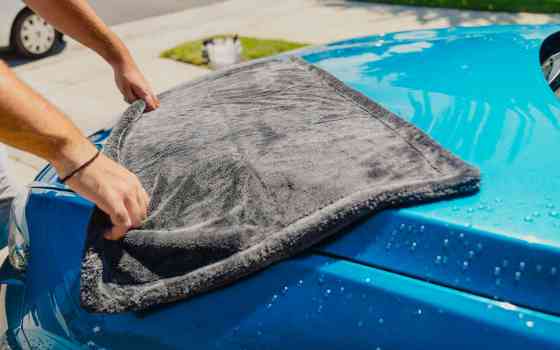
We’re probably guilty of this wrong practice at one time or another. Applying too much pressure while scrubbing tough spots like bird droppings, asphalt, or road grime to remove it faster is a guaranteed paint killer. Not only does this grind dirt and contaminants into the paint, but it also creates deep scratches and swirl marks. Over time, this can make your car’s finish look hazy.
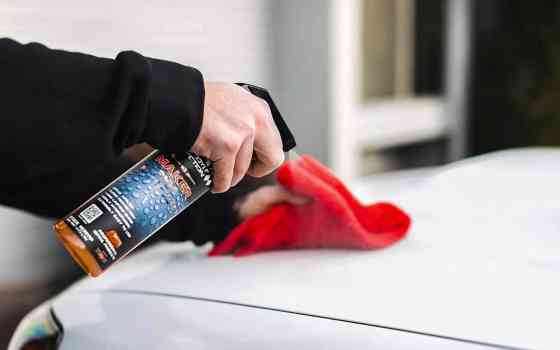
The best way to deal with this is to let car cleaning products do the work. Apply a car-safe cleaner for tough spots/stains and let it sit for a few minutes to loosen dirt before gently wiping it off. In the same manner, car shampoo works best when it is allowed to do the cleaning. Gentle, straight-line movements with minimal pressure are safer and just as effective. Let the product and technique do the work rather than brute force.

Washing Too Infrequently
Unless the car is rarely used and kept covered in a garage, cars that are exposed to the environment require regular washing. Infrequent washing allows dirt, bird droppings, and environmental contaminants to harden and bond onto the paint, ultimately staining or etching into the clear coat. As the buildup hardens, washing becomes more aggressive, increasing the risk of scratches and swirl marks. Regular washing prevents contamination, making each wash quicker, safer, and more effective.
Bottom Line
Here’s the thing: dull or damaged paint cannot be blamed solely on our country’s unpredictable weather patterns; it is often the result of improper washing techniques and habits. By avoiding these common mistakes, you can maintain a clean and well-protected finish for years to come. Adopting an informed approach to car washing and practicing proper washing methods is the best investment you can make towards preserving your vehicle’s appearance.
How about you? Are you washing your car properly? Share with us your wrong or proper car washing techniques in the comment section below.