A Crash is not an Accident: Rethinking responsibility behind the wheel

Why road crashes should stop being treated as “accidents”
This past weekend was marred by two heartbreaking and infuriating stories involving crashes on the road.
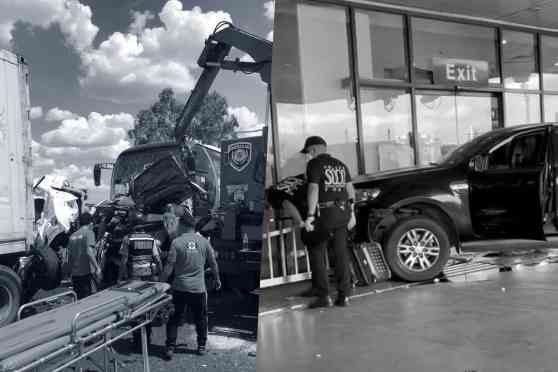
One happened on an expressway where a young family of three onboard a crossover, along with a utility vehicle, were crushed between a trailer truck and a speeding bus. The toddler inside the crossover survived, but the parents didn’t.
On the other hand, an emotional moment between a dad and a child at an airport turned out to be a tragic one when an SUV accelerated and rammed the innocent kid, along with a few others, who got seriously injured.
Yet time and time again, the headlines, police reports, and conversations over social media have labeled, and treated these crashes as “accidents”. Now the question - Is it really the appropriate word to describe it?
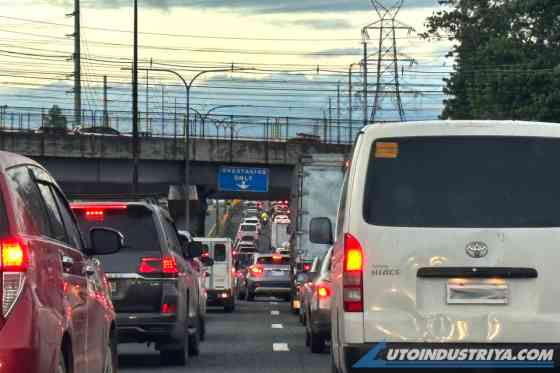
Sometimes, we take for granted the words that slip out of our tongues. But every day, the choice of words we let out actually matters. In our personal relationships, an inappropriate choice of words can seriously upset a member of the family or even cause a breakup for couples.
In the workplace, the wrong choice of words can make the most loyal and even the most high-performing employee think of leaving. In our profession, a mistake in the description or the spec sheet could sour the relationship between a media outlet, the brand, and vice versa. But you see, you’ll never really label these instances as “accidents”.
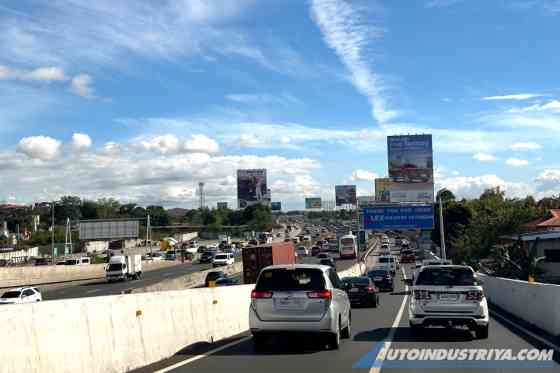
In other countries, some media outlets and government agencies have already stopped using the term “accident” for road crashes. They recognized that the change of term goes beyond viewing road collisions as inevitable, and shifts the focus to proactive measures to reduce their occurrences. Clearly, it’s long past time we also stop using this soft language to cover up hard truths.
You see, every time we treat a crash as an “accident”, it’s like letting someone off the hook; as if no human was responsible because no one could have done it differently. That’s when the word “accident” simply doesn’t cut it. When we frame these incidents as unavoidable, we excuse the decisions, conditions, and systems that led to them. In short, the discussion ends when someone says "tao lang, nagkakamali". It also makes it easier for dangerous drivers to escape blame, for bad road design to persist, and for government agencies to dodge responsibility.
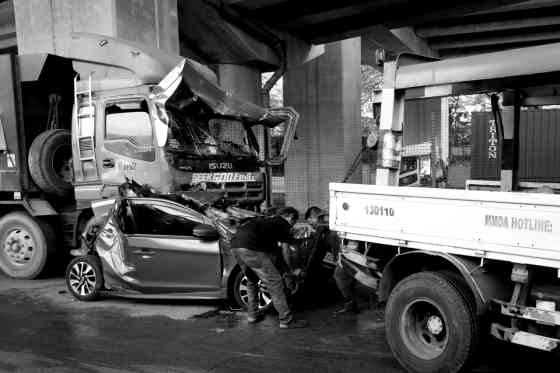
Every crash has a cause. In aviation, the pilot is not cleared of any wrongdoing unless the black box and the simulations in the board of inquiry say so. I’d like to think the same line of thought should be applied to road crashes in the country. Here, most of us quickly deflect the blame to the cars because they’re the easiest targets – brake failure, SUA, lack of safety features, all that hullabaloo. But we all know who’s in control of the car, right? It’s the same way a bow and arrow wouldn’t be a deadly weapon unless an archer points it at a human target.
Most of the time, road crashes happen because a speeding driver is distracted, showing off beyond his capabilities, runs a red light, or gets behind the wheel without the proper education or discipline drilled in. Worse, some keep driving despite being drunk or deprived of sleep. Sometimes, it’s because a road is poorly designed, poorly lit, or with no protected lanes for pedestrians and cyclists. You see, none of those things are left to fate. None of those are random. And the two most recent crashes are the glaring examples of the deadly consequences of neglect.
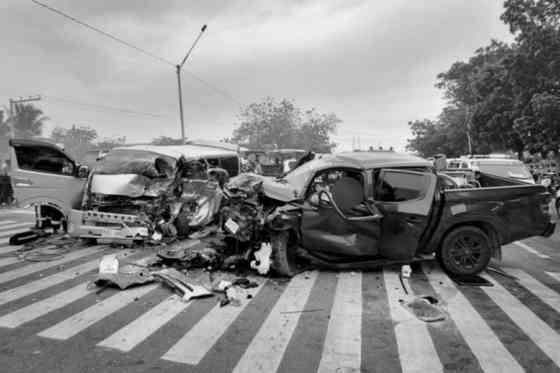
How many more lives must be lost before we admit the truth? Crashes are totally preventable, but we failed to prevent them. Yes. It’s a “we” because it’s a collective of neglect from government agencies, dangerous infrastructures, improper car care, the driver behind the wheel taking his privilege for granted, and a culture that frustratingly excuses accountability.
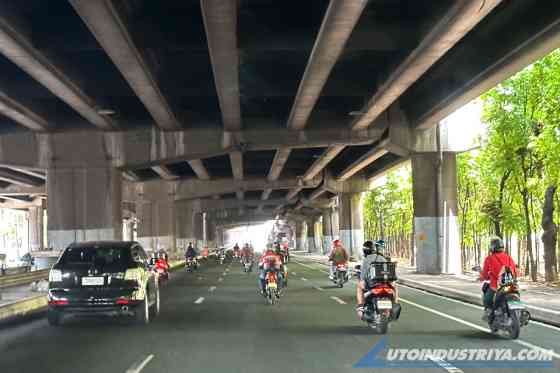
Countries and cities that invest in safe road designs and implement strict road rules prove to work in reducing traffic deaths, but that’s not the whole picture. Just because they're doing their homework doesn't mean we should sit back and relax. There has to be a cultural change to see the full effect. The problem is, it’s the one that’s hard to put in place as it requires public pressure and political will to do so. It will take a generational effort to change the way we treat road crashes.
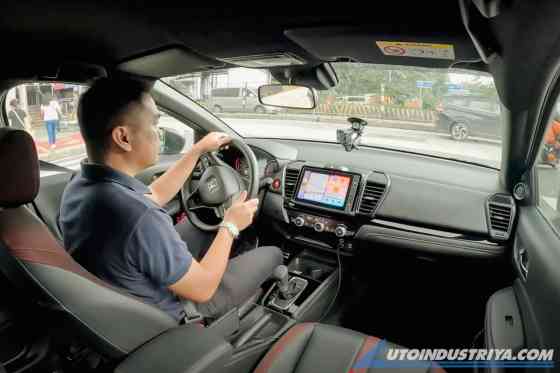
Maybe we can start with the little things, then. I myself am no saint when it comes to driving on the road. But every time I get behind the wheel, I remind myself that with the privilege, there is also a responsibility being passed on to me, to you, and everyone who drives on the road.
It’s not the burden of being the designated driver, but the responsibility of keeping everyone on board safe, and those other motorists around us. Only by then, maybe we could learn to stop hiding behind the word “accident” and face the truth. Because if we don’t, we’ll just keep repeating the same deadly mistakes over and over again.