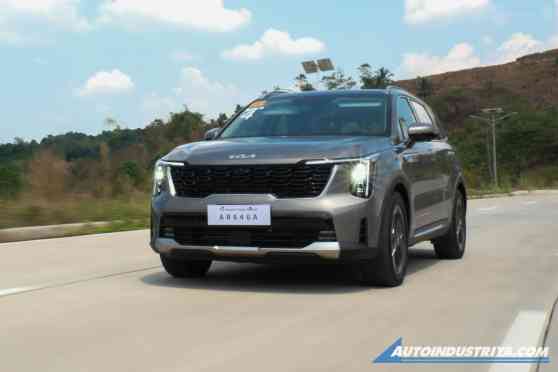
2025 Kia Sorento 1.6 SX AWD Turbo Hybrid

- Make: Kia
- Model: Sorento SX AWD
- Engine: 1.6L DOHC 16V Turbo + PMSM, 1.49 kWh Lithium Ion
- Max Power: 235 PS (combined)
- Max Torque: 367 Nm (combined)
- Transmission: 6-speed A/T, manual mode, AWD
- Price as Tested: ₱2,888,000
8/10
9/10
8/10
8/10
7/10
8/10
7-seater for electrified times?
The Kia Sorento used to be the nonconformist in the midsize SUV class.
Sure, its pickup truck-based competitors like the Everest, Fortuner, and Montero Sport may have proved to be more popular with their rugged underpinnings here in the country. But the Sorento (and its Korean cousin, the Santa Fe) has carved a place in the market as the 7-seat SUVs for those who like more car-like comfort for urban use.
As the world starts to shift towards eco-conscious vehicles, it’s Kia and Hyundai who have quickly answered the call in the segment. The SUVs from Korea have ditched the common rail diesel turbo completely and become electrified. That leads us to the new Kia Sorento Turbo Hybrid. Let’s see if the new top variant with all-wheel drive is any good.
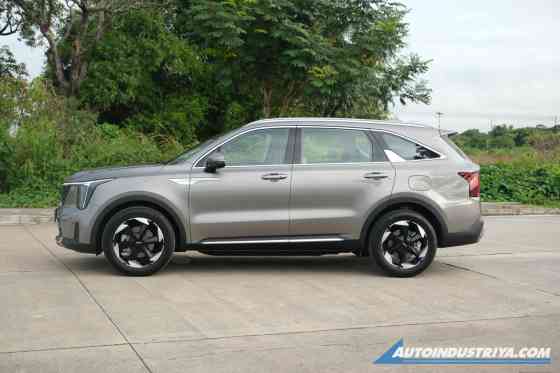
The Sorento is new, but not all-new. The latest version is a mid-cycle refresh of the fourth-generation model that was first launched in the country three years ago. The pre-facelift version is already a looker, but the exterior update makes it look further upscale.
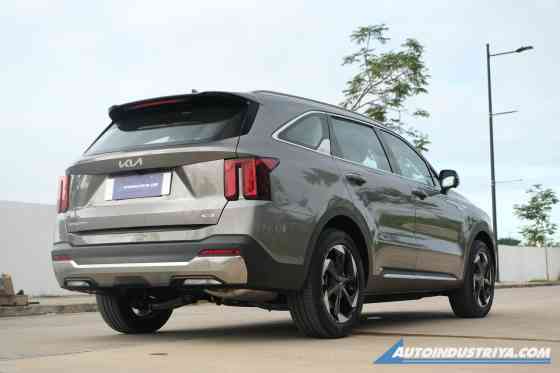
Well, it should, especially since they’re charging PHP 2.888 million a pop for this. But going back, the hero color called the Volcanic Sand Brown screams classiness even when viewed from afar, combined with the use of chrome without being over the top.
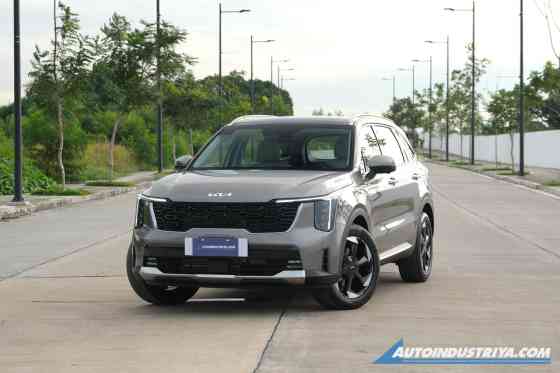
Part of the facelift involves the new slim four-cube LED headlight design, which makes the Sorento more like an EV9 without its grille sealed off. The Kia badge that used to be at the Tiger Nose grille is now proudly placed at the center of the hood, while the rear end gets more subtle changes at the lower part, specifically at the diffuser-like element at the bumper.
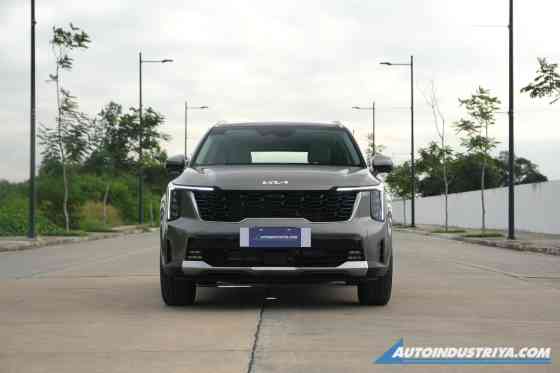
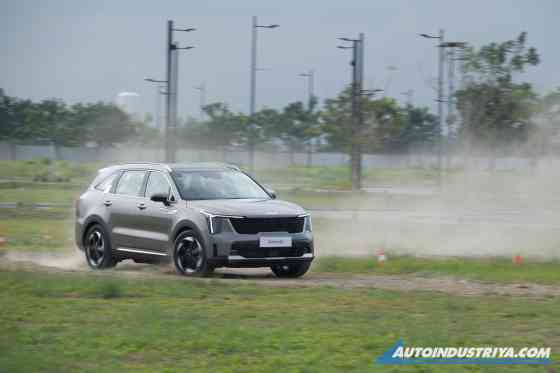
Minimum ground clearance is still at 174 mm, which is pretty low for midsize SUV standards, but it’s barely an issue since most buyers of the Sorento would be using this as an urban dweller for about 95% of the time. On the remaining 5%, a trip to Lake Lubo in Kibungan, Benguet answered our questions as to whether the Sorento could handle light trails with its AWD system, but more on that later.
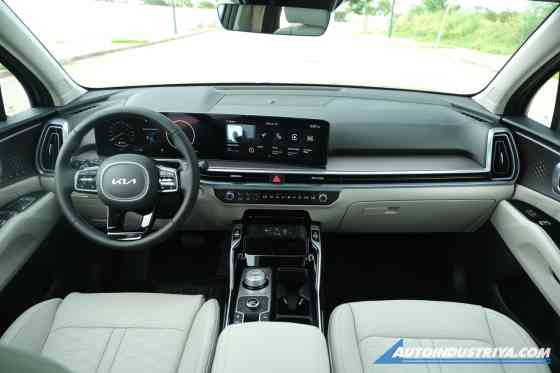
The somewhat low ground clearance works as the step-in height makes it easy for kids and the elderly to step inside the Sorento. And when you do, you’re welcomed to a cabin clad in off-white leather and dark plastics.
It does have the upscale vibe that’s fit for an executive, but as a family vehicle the choice of white on the seats might be questionable. Just imagine if someone spills a colored drink and messed up the leather. Perhaps putting up a no-eating sign inside could help the owner preserve the car’s interior finish in the long run, but try telling kids that.
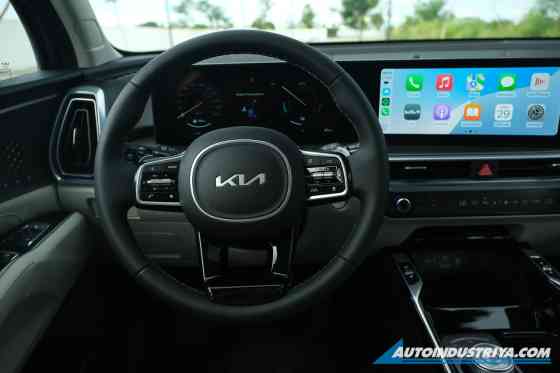
Some of the interior elements were retained from the pre-facelift model such as the steering wheel and the layout on the center console that houses the drive mode knobs, wireless charging pad, and the two cupholders. The difference now is instead of a lever, you have a rotary knob for your gear selector.
There’s plenty of creature comforts inside, such as heating and cooling functions on the front seats, along with power adjustment, while the panoramic sunroof is standard issue on this top-of-the-line variant. The dashboard has been heavily revised to accommodate the panoramic screen that displays the instrument cluster and the infotainment system.
Speaking of the latter, smartphone connectivity is via wireless Apple CarPlay and Android Auto, but there’s still an option of connecting via a USB Type-C port so you can navigate and play your tunes with the 12-speaker Bose sound system.
A welcome sight is that the Sorento still has knobs for adjusting the temperature for dual zone climate control that’s shared with the bigger Carnival, while a dedicated touch panel lets you fiddle with things such as the blower and vent settings for both the front and rear. It’s still a step behind physical buttons, but way better than having to dig into submenus on a touchscreen.
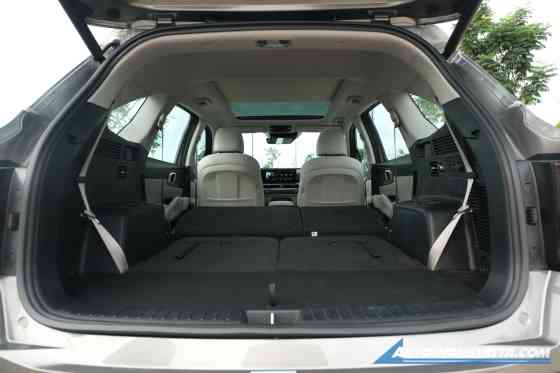
Space won’t be an issue for at least five adults inside the Sorento. The second row offers the most legroom and the most comfortable seating in the house. But the third row seats, such is the case for other 7-seater midsize SUVs, are best left for kids because of the limited legroom. Should you insist on getting an adult-sized individual in there, then you might need to do a few stopovers on a long trip so they can stretch their legs.
For your cargo space, the Sorento can carry things up to 15 inches long, 54 inches wide, and 30 inches tall with all three rows up. But to strike a good balance between cargo and passenger, the 3rd row seats can easily fold flat with a pull tab to give you 43 inches of cargo length and 42.5 inches of cargo width to carry a weekend’s worth of luggage for five individuals. The 60:40 split seating configuration on the 2nd row can be folded in a press of a button, should you need 70 inches of cargo length for your stuff.
The new 1.6-liter Smartstream G Turbo Hybrid powertrain that the Sorento has is shared with the bigger Carnival, and its cousins in the Hyundai stable, the Tucson and Santa Fe. The engine makes 180 PS and 265 Nm of torque, while the electric motor that’s sandwiched between the engine and the 6-speed automatic transmission only makes 60 PS and 264 Nm. Combined, the turbo hybrid setup makes 235 PS and 367 Nm of torque.
Now, unlike the Toyota and Honda hybrid system, the Hyundai/Kia hybrid setup still leaves the bulk of propulsion to the internal combustion engine at low speeds. The switching between the electric motor and the ICE is mostly dependent on how heavy your right foot is. Give a light prod on the throttle from idle, and it will stay in electric mode. But anything beyond around 20%, and you’ll wake up the turbo motor to give you the missing thrust that you need.
That makes the Sorento’s hybrid powertrain less fuel efficient than the likes of the RAV4 HEV and the CR-V e:HEV. In the city, I only averaged around 13-14 km/l in places where I could do 18-19 km/l with the Honda and Toyota hybrid setup. But on the highway, it evens out since all three hybrid setups utilize the engine for more efficient cruising, doing 19-20 km/l while constantly doing 90-100 km/h at 2000 rpm on the expressways.
What the hybrid powertrain makes up for is that it feels the most familiar, or the most natural, when you’re driving. Diesel torque is still king if you want that instant grunt, but once the Sorento hits its stride, then the turbo hybrid setup would gladly power through when you’re doing overtaking. You can feel the shifting of the torque converter automatic, along with those torque dips. When going downhill, the engine braking is also accompanied by a slight growl from the turbo motor. For those seeking that kind of driving engagement, you’re in the right place with the Sorento.
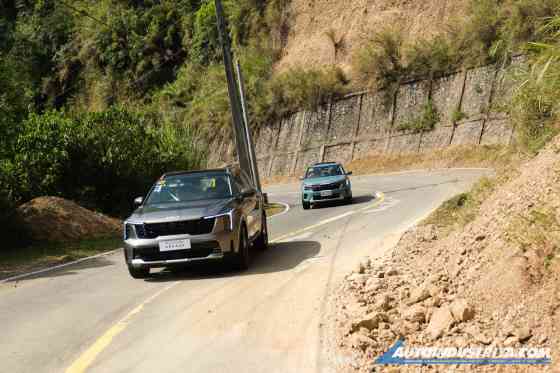
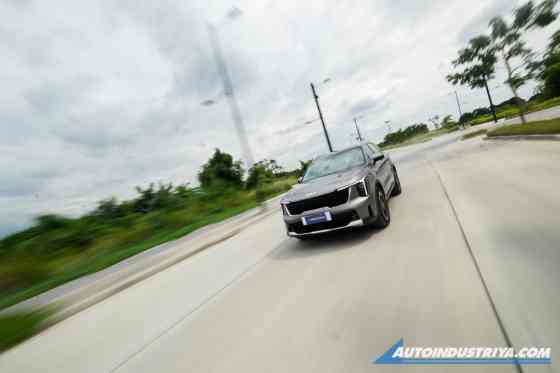
As for comfort and handling, I would label the Sorento’s ride as "sakto lang": safe, predictable, and nothing spectacular. There’s a nice balance between cushioning and control on the suspension, which makes it a competent SUV for long drives. When we took it on a drive to Baguio, I would sum up the riding experience as relaxing for the driver, while passengers can get plenty of snooze time onboard.
While the Sorento comes with a full suite of active and passive safety features such as adaptive cruise control, lane departure warning, blind spot monitors, and rear cross traffic braking, I just don’t like the fact that you can’t keep or save your preferred ADAS settings, so you have to turn some of the assists off again everytime you turn off the engine.

The Kia DriveWise ADAS (and its Smartsense counterpart in Hyundai) is somewhat a bit more sensitive, and the safety margin is somewhat too safe compared to the likes of Toyota’s Safety Sense and Honda Sensing. I believe it will be okay for other markets, but for a country like ours, the sensitive ADAS becomes more of a bother than a help.
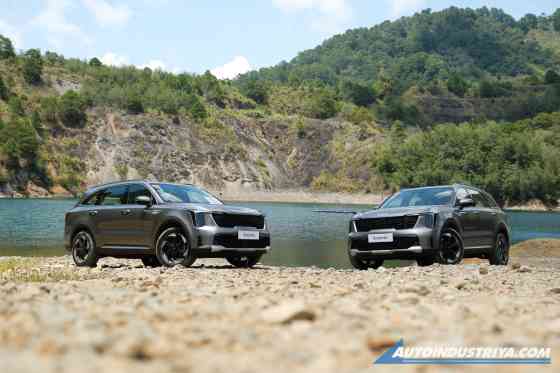
At PHP 2,888,000, the top-spec Sorento SX is quite on the premium end of the pricing spectrum, but keep in mind that top-spec, pickup-based diesel 4x4 SUVs are already in the same price range and are getting up there in years. The good thing about the Sorento lineup, though, is that it covers a nice price range where the turbo hybrid setup is already reachable for PHP 2,188,000.
Kia has basically equipped the Sorento well for electrified times and kept its tech features up to date with the current trends. Combined with the perks of hybrids these days, with the coding exemption, it’s definitely well worth a look for those seeking a midsize SUV you can use 365 days a year, 7 days a week.