2024 Toyota Innova Zenix 2.0V CVT

- Make: Toyota
- Model: Innova Zenix 2.0 V
- Engine: 2.0L DOHC 16-valve Inline-4, Dual VVT-i
- Max Power: 174 PS @ 6600 rpm
- Max Torque: 205 Nm @ 4500-4900 rpm
- Transmission: CVT, manual mode, FWD
- Price as Tested: ₱1,670,000
8/10
8/10
8/10
9/10
8/10
8/10
The New Fam Favorite?
There will always be differing opinions between those who resist, and those who embrace revolution. That has been the case so far for the Toyota Innova Zenix, and after driving it we understand why.
The ingredients of Toyota’s popular MPV date back to the days of the original Tamaraw. It had a sturdy ladder frame chassis, diesel engine, and rear-wheel-drive. That formula was carried over when the Tamaraw became the FX, then the Revo, and through two generations of the Innova.
But for the latest one called the Zenix, Toyota has decided to do a clean sheet approach. It’s a unibody much like a sedan or a crossover, front-wheel-drive, and purely gas-fed. That’s quite a huge shift for a nameplate that a lot of people have depended on for many generations as a multi-purpose vehicle.
So it’s a given that many will be skeptical - that includes us since it has a lot to live up to. But after spending a week with the new Innova Zenix in the non-hybrid 2.0V form, it can actually serve up a surprise when given the chance to shine.
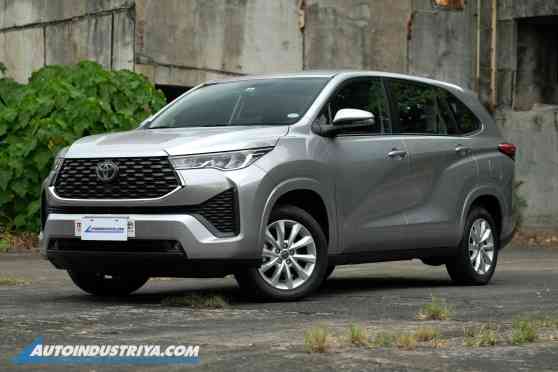
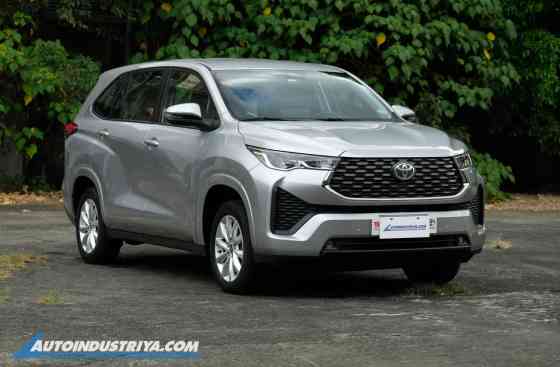
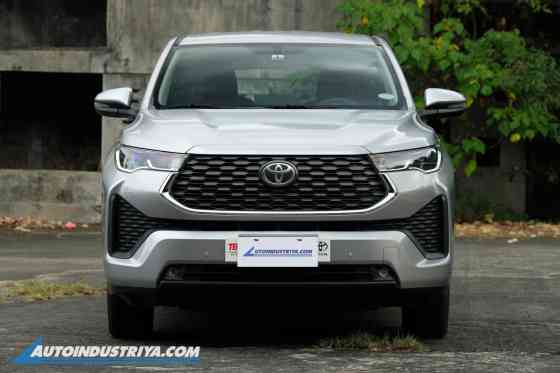
Looks-wise, there’s still some resemblance when you place it side-by-side with the old one, particularly in front. The grille and the headlights are pretty much in similar shape as the old Innova, albeit wider. There’s another faux grille below it to complement that signature, giving a more in-your-face look to the new model.
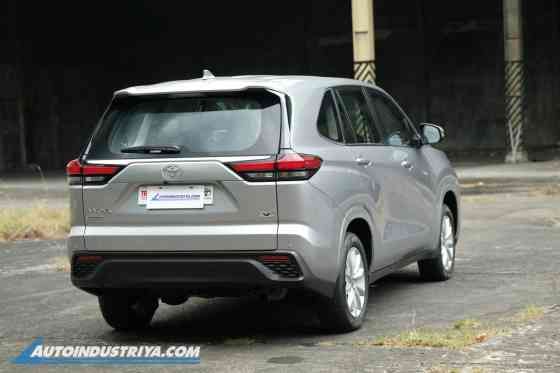
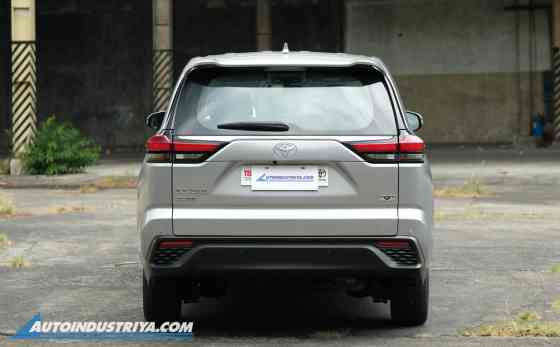
When viewed from the side, the Innova Zenix actually looks like a bigger Veloz, though they are built using different platforms; the Zenix uses the TNGA-C, while the Veloz uses the one developed by Daihatsu. There’s not much to write home on the rear end since the design is very simple and straightforward, but it’s worth noting that even this base V variant comes with 17-inch wheels and four-wheel disc brakes as standard.
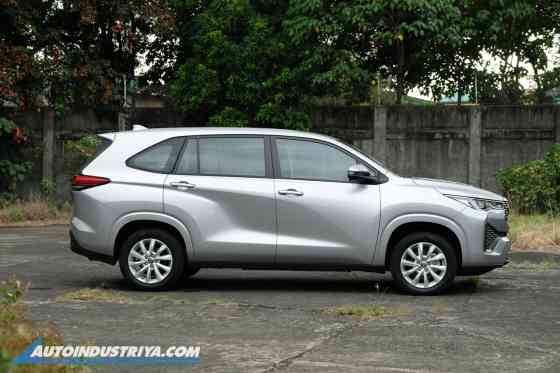
There’s no denying though, that the new Innova Zenix looks larger than the previous model. If you run the numbers, it’s just 20mm longer and wider. But with more bodywork on the space the ladder frame used to occupy down below, the Innova Zenix simply shows a much bigger presence on the road. Meanwhile, the spec sheet suggests the Innova Zenix has a higher ground clearance than the old model – about 9mm higher.
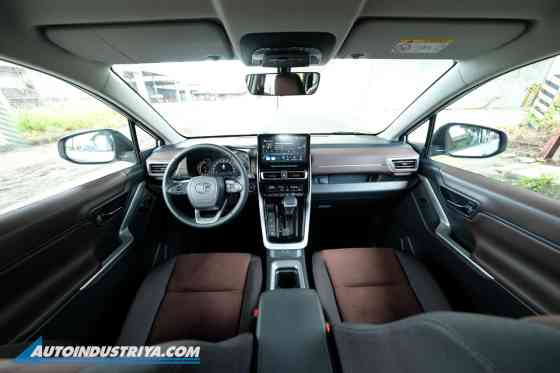
If you ask me which area has Innova Zenix made a big improvement over the old one, it has to be the interior. It’s no Alphard by any means, but it’s going towards that level with the way the materials look and feel premium. The dashboard is neatly laid out with simple rectangular shapes on the A/C vents, and it even has that LC300-style sloping central section that meets with the center console.
While the 2.0V is the base variant of the Zenix, it still gets plenty of features such as a digital and analog combination instrument cluster, a 10.1” instrument cluster with wireless CarPlay and wired Android Auto, Type A and Type C USB ports, single-zone climate control, LED ambient lighting and 6 speakers as standard.
Sure, it may not have power adjustment on the seats and leather upholstery like the top-spec Q hybrid, but the second row still comes with slideable and reclinable captain’s chairs. Less electronics, less things to worry about in the long run.
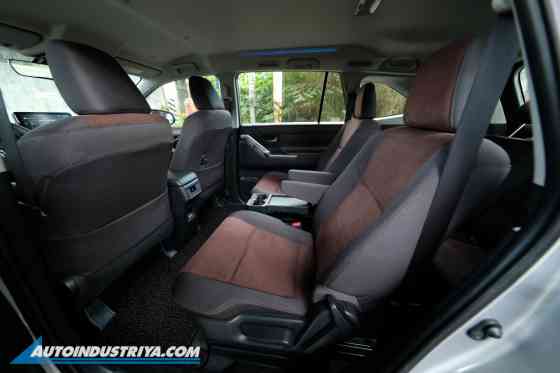
Perhaps, what the spec sheet won’t tell you is the more people-friendly change happens in the act of loading passengers and cargo inside the Innova Zenix. Since the unibody platform has a lower floor height than the previous model, it’s easier for the elderly and children to enter the vehicle. There’s generous headroom and legroom for seven passengers, and yes, that includes the third row that’s often a problem for ladder-framed vehicles in terms of space.
Likewise, the lower loading height in the cargo area is better for your grocery runs. The power tailgate is a welcome feature, not to mention, the third-row seats now fold flat instead of being tucked on the sides. If we talk numbers, the Innova Zenix can carry things up to 44 inches long, 44 inches wide, and 34 inches tall.
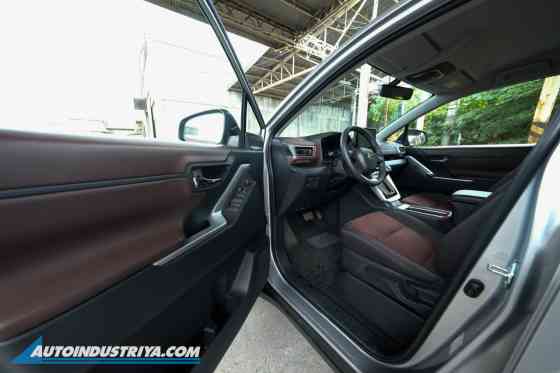
The Innova Zenix is much better in terms of interior material, space, and ergonomics, but the older one still has that slight advantage in terms of versatility. Since you have captain seats on the second row, you’re pretty much left with a 4-seater MPV when you fold the third-row seats. Most Innova users can squeeze in up to four passengers in the second row when the back is full of luggage, but that’s simply not possible with the new model. So perhaps, an Innova Zenix with bench seats on the second row is something that Toyota should consider offering.
There’s a lot of doubt as to whether the 2.0-liter gasoline engine was the right choice for the new Innova Zenix, as previous generations had its owners spoiled with the combination of pulling power and fuel efficiency from the 2.5 and 2.8-liter turbodiesels. It also doesn’t help that the previous 2.0-liter gas variants of the Innova had a reputation for being sluggish and thirsty.
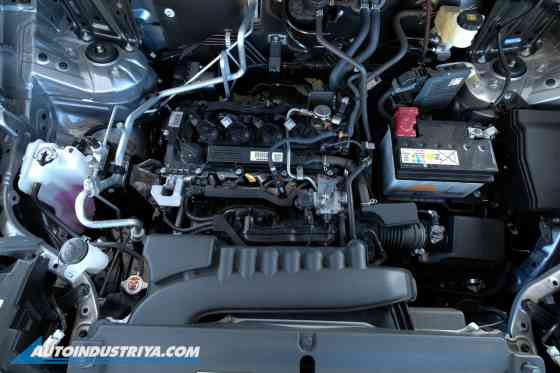
But with the new M20A-FKS engine from the Toyota Dynamic Force engine family, it’s actually a pretty decent mill for the Innova Zenix. Sure, you’ll still miss the raw grunt that the turbodiesel had before, especially the torque. Without a turbocharger, you have to work the engine in the higher revs to accelerate hard. But once you do, you’ll see the speedometer moving up faster than what your "butt feel" suggests.
Things can get a bit noisy with the CVT when you’re accelerating hard and overtaking, but the new transmission does the job by lowering the revs and maximizing fuel economy when you’re cruising. In the city, I was able to do 7.5 km/l with moderate traffic which is not so bad for a car this size. In the expressways though, the Innova Zenix did 18.3 km/l with two passengers on board. At full passenger capacity, expect it to drop somewhere in the decent 14 to 16 km/l range.
Once you get past that initial “I miss the diesel” phase, only then will you start to appreciate how much smoother the Innova Zenix drives over the old one. In terms of riding comfort, refinement, NVH, and driving mechanics, all of those have been greatly improved with the switch to the unibody platform and that’s a big deal for everyday driving.
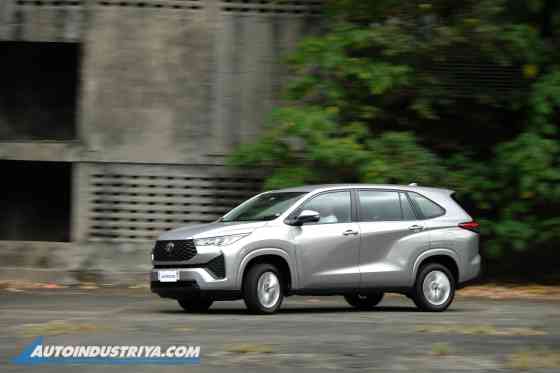
Despite being bigger, the unibody platform also made the Innova Zenix lighter than the previous model. This means body motions are better kept in check, and you get more confidence cornering on winding roads with the lower center of gravity.
However, there are also disadvantages to switching to a unibody. Apart from being less robust and less ideal over rough roads, the TNGA-C platform of the Innova Zenix is also being utilized by the likes of the Corolla Altis, Corolla Cross, and the Prius. Since the platform also needs to be used in a sedan, the engine mounting and the air intake position are pretty low. That could be cause for concern when it comes to wading through even a relatively shallow flood to get home.
So overall, is the Toyota Innova Zenix better than the older one? That will depend on your purpose of buying one. If you want that truck-like feel, the old one has it. But if you want a car-like driving experience, that's where the new one shines. For those used to owning the Innova for utility and relying on diesel power, perhaps you might be better off sticking to the older model since Toyota continues to sell it and produce it at their Santa Rosa, Laguna plant. But for those who have been choosing the Innova mainly as a family transport, the improvement in passenger comfort and ride refinement in the imported Zenix is likely to win you over.
For PHP 1,670,000, the Innova Zenix in the 2.0V non-hybrid is actually PHP 138,000 cheaper than the older top-spec Innova V with the diesel engine, and just PHP 2,000 more expensive than the Innova G.
There will always be trade-offs in trying to achieve something. Just like the FX, the Revo, and the Innova that came before the Zenix, only time (and sales numbers) will tell if Toyota played its cards right.