2024 Toyota Innova Zenix 2.0 Q HEV

- Make: Toyota
- Model: Innova Zenix Q HEV
- Engine: 2.0L DOHC 16V I4 + PMSM, NiMH battery
- Max Power: 186 PS (combined)
- Max Torque: 188 Nm @ 4400-5200 rpm
- Transmission: eCVT, manual mode, FWD
- Price as Tested: ₱1,953,000 (+15k WP)
7/10
8/10
8/10
8/10
7/10
7/10
The Greener Option
Earlier in the year, we got our hands on the non-hybrid version of the all-new Toyota Innova Zenix. That’s where we learned how the major change from a ladder frame to unibody construction made the Zenix more of a comfortable family vehicle than a 7-seater MPV atop a robust platform that can also be used for utility.
I admit that I do miss the power and torque of the 2.8-liter turbodiesel in the old one. But the improvement in passenger comfort, ease of use, and ride refinement changes the way you see the new Zenix.
Along with this major change, there’s something new the Zenix offers over the old one – and that is the top-spec hybrid version called the 2.0Q. So what do you get for paying an additional PHP 300K over the non-hybrid?
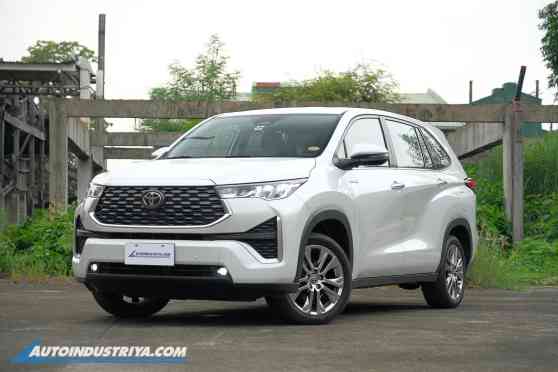
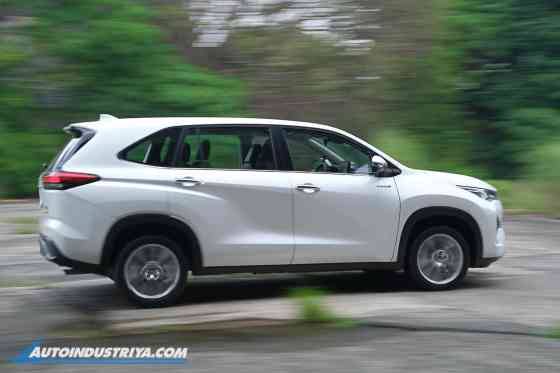
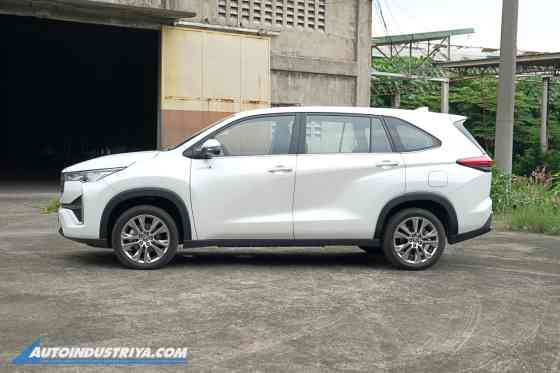
From the outside, there are a few more things the Zenix hybrid is flexing. One way to distinguish the hybrid from the 2.0V is the addition of LED daytime running lights in front which flanks the lower grille, and some chrome trim pieces found on the door handles and the window moulding.
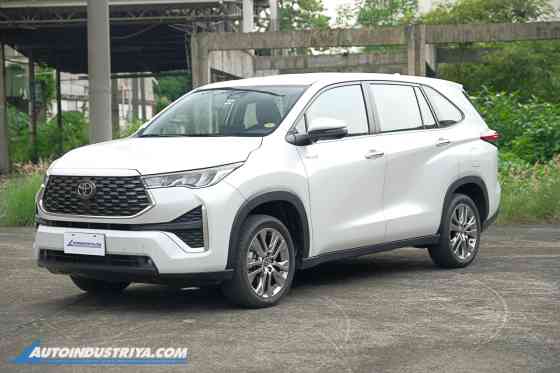
Oddly enough, the top-spec hybrid version gets blacked-out overfenders instead of the body-colored ones in the lower variant. Also, instead of having 17-inch wheels and economy tires, the top-spec Zenix gets bigger 18-inch wheels finished in chrome metallic.
Honestly, the set of wheels won’t look out of place in a Camry. While the Dunlop SP Sport Maxx tires are a bonus for those who like surefooted handling for the Zenix, I noticed there’s a bit of a tradeoff when it comes to road noise.
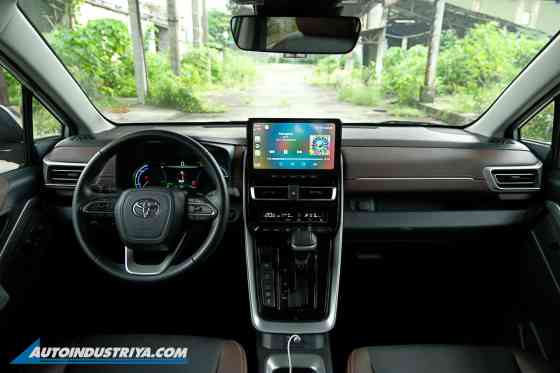
Toyota continued the chocolate brown and black motif for the cabin of the top-spec Zenix; that's something they also had in the previous generation V variant. However, you now have leather on the seats, along with power adjustment for the first row, and ottoman function for the second row. It’s really a big step up over the older Innova on how premium the materials look and feel.
Instead of a tachometer, you’ll find an analog hybrid meter on the left side of the instrument cluster. Like the non-hybrid, you get things like a 10.1” touchscreen with wireless CarPlay and wired Android Auto, Type A and Type C USB ports, single-zone climate control, LED ambient lighting, and 6 speakers. As an audiophile, I think Toyota could have offered a more premium sound system like the JBL speakers from the Fortuner LTD for this top-spec version.
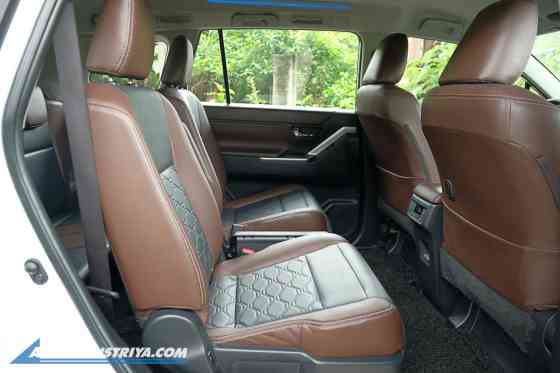
The best seats in the house are found, of course, in the second-row captain seats. These are some of those instances when I prefer being driven around instead of driving the vehicle since it’s such a relaxing experience when you fully utilize the ottoman function of the seats. While it’s nothing like the level of a Lexus LM or an Alphard, it’s perhaps the next best thing in the Toyota line since we don't have a Previa anymore.
The extra battery of the hybrid system is found underneath, but the Zenix Q still offers the same generous flat floor space found on the non-hybrid version; the reason is because the hybrid battery is positioned underneath the front seats. This means you get the benefit of a flatter and lower floor height for easy ingress and egress, and third-row passengers don’t lose out much when it comes to headroom and legroom.
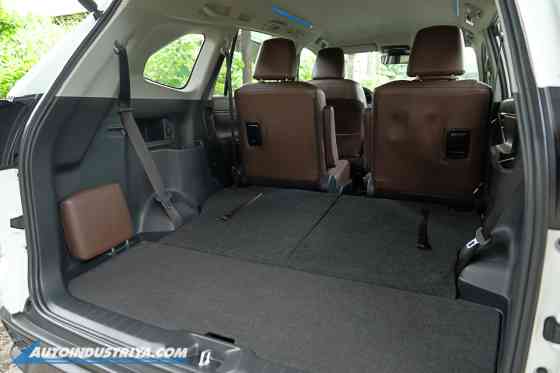
In terms of cargo space, the Zenix Q can load things up to 15 inches long, 50 inches wide, and 35 inches tall with all the seats up. With the third-row seats forming a flat cargo area when folded, the carrying length increases to 44 inches.
Back when I reviewed the non-hybrid version of the Zenix, the new 2.0-liter engine was just OK for the MPV’s size. Sure, it didn’t have loads of torque like the previous turbodiesel, but it’s surprisingly frugal for a 2.0-liter mill with its CVT transmission.
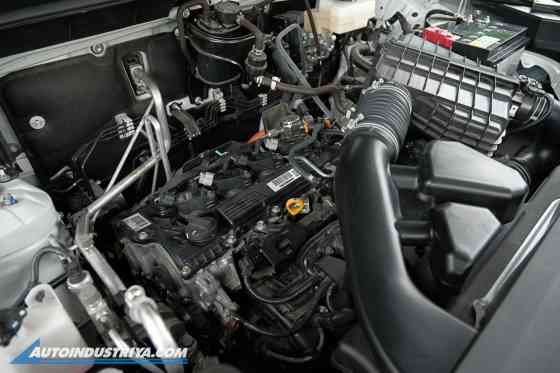
Well, you’ll find more or less the same experience with the hybrid variant, except for the moments of pure EV driving at low speeds. That has been the case with how Toyota treats its hybrids, where they go for more efficiency for the same performance, unlike other brands like Honda where the e:HEV gets additional performance combined with efficiency over the standard ICE powertrains.
So yes, the Zenix with its hybrid mill can also get a bit noisy when you’re accelerating hard. You have to work the hybrid system hard to get up to highway speeds quickly. But when it hits its stride, you'll find that there's adequate pull when hovering around 60 to 100 km/h on the expressways.
However, the hybrid system was not as fuel-efficient as I thought it would be. I did 19 km/l, but it’s pretty close to the 18.3 km/l I did back when I tested the non-hybrid version. It’s probably because at highway speeds, the hybrid system goes on parallel mode where the ICE and electric motor are driving the front wheels at the same time.
Where the hybrid system shines is when you spend most of your time in city driving, as it gives you better fuel efficiency since the electric motor takes over at lower speeds. The result is a fuel consumption of well above 15 km/l in the city with moderate traffic.
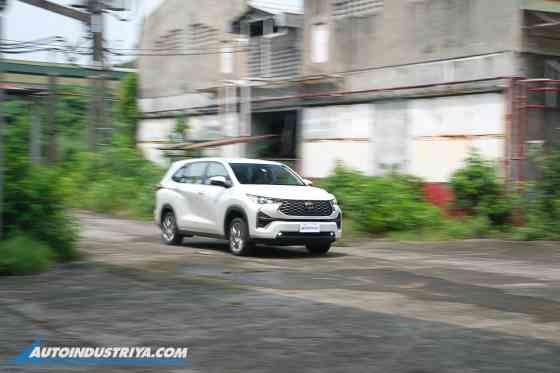
Even the ride and road manners of the Zenix hybrid are more or less the same with the addition of the hybrid architecture. The low center of gravity given by the TNGA-C platform and the lighter unibody construction make the Zenix a stable, comfy, and quiet cruiser. Add the Toyota Safety Sense to the mix, and you have yourself a 7-seat MPV that can provide a relaxing experience for long-distance driving.
So back to the big question: is it worth spending PHP 300,000 more to get the hybrid variant of the Zenix?
The answer: Yes and no. It’s a yes for those who want an MPV that gives you fewer trips to the pump, for those who want an MPV that gives more creature comforts in the second row, and for those that need the satisfaction of saying “Hey, I bought a top-of-the-line model”. Oh, and it's coding exempt for the next few years.
At the same time, it's a no because 300k is still 300k, and the hybrid system that Toyota is using is already very dated. It's still using a small Ni-MH battery rather than a more modern, higher capacity lithium iron phosphate (LFP) battery. There's also no option to charge at home, so you're still really relying on internal combustion.
Still, it's a great improvement in a new direction. What Toyota rather gives you is the freedom to choose. Do you want a comfortable family vehicle, something like a Previa sans the sliding doors? That’s the Zenix. Do you want a hybrid? Take the top-spec version. Do you prefer the old one with the diesel? By all means, the dealerships still have them on sale.