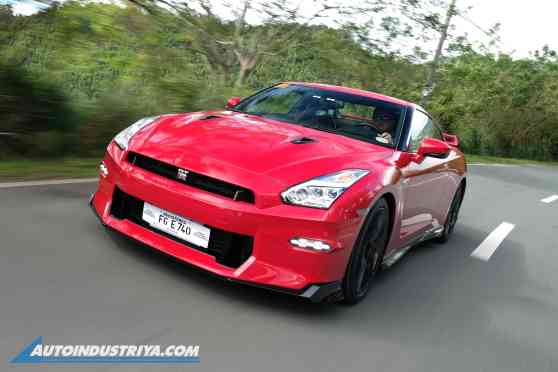
2024 Nissan GT-R V6 Twin Turbo Premium

- Make: Nissan
- Model: GT-R Premium
- Engine: 3.8L DOHC 24V V6 Twin Turbo CVTCS
- Max Power: 570 PS @ 6800 rpm
- Max Torque: 637 NM @ 3300-5800 rpm
- Transmission: 6-speed DCT, 4WD, ATTESA E-TS
- Price as Tested: ₱12,445,000
10/10
7/10
9/10
6/10
2/10
7/10
Last Dance
This is probably it.
The GT-R -the great four-wheel drive beast from the east- is on its final lap. The last dance is now for a car that was born in the late sixties, gave circuit rivals nightmares in the nineties, and took on the world’s supercars in the noughties.
New regulations in certain countries as well as costs have shrunk the demand for Japan’s high-performance machine. The GT-R is no longer being sold by Nissan in Europe, Australia, and even the Middle East for a variety of reasons like rising costs, emissions, noise, and new side impact regulations. Right now only a few markets remain like the U.S. (which also announced final editions), Japan, and us in the Philippines.
Truth be told, this generation of GT-R has been in production for too long, and the world has changed a lot since the car made its debut as a concept in 2001, as a prototype in 2005, and as a production model in 2007. That means it’s been 17 years already, and the GT-R that is rolling out of Nissan’s factory in Tochigi has largely remained unchanged. Yes, there have been quite a few aero tweaks and upgrades over the years, but the engine, transmission, performance, and other bits have -for the most part- stayed the same.
But is that a problem for us here in one of the last markets for Godzilla?
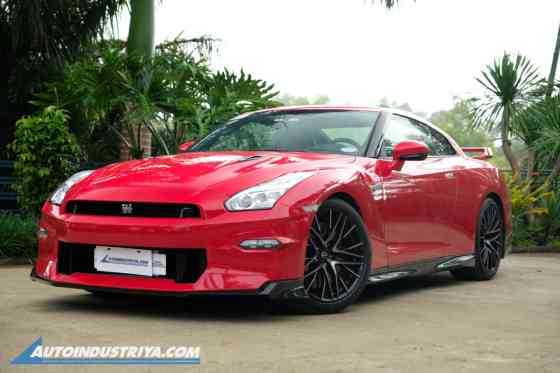
Walking up to the GT-R again certainly brings back memories. In 2017 when Nissan launched the GT-R in the Philippines, I got the first taste of it on track. Needless to say, it was exciting, but the GT-R we have now has changed somewhat, but not too much.
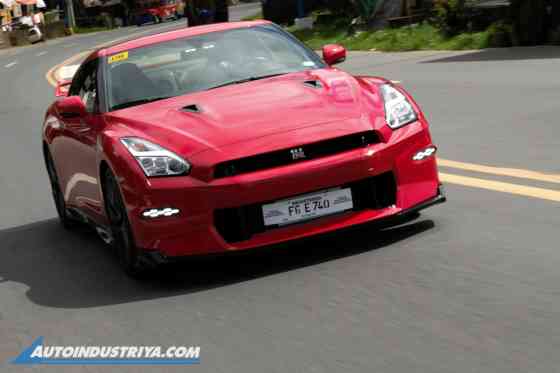
Nissan likes to say the changes to the GT-R over the years have been major, but I get the impression that it’s really more about enhancing rather than changing. They say it’s got a new look all around as Nissan made some tweaks to the bumper, improvements to the aero bits, and so on and so forth, but it’s still very much recognizable as the GT-R.
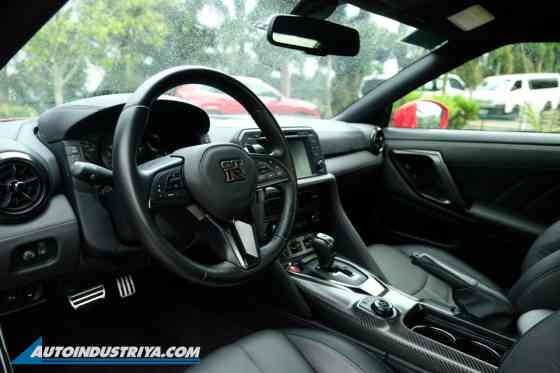
Inside, the story is the same. Nothing of note has changed here, apart from the color of the interior (the models we tried before had brown interiors, some black) and a few bits and pieces, but still all the same. The switches, the screens, the dials, the controls, all very much familiar.
I’m actually surprised that Nissan didn’t do that much to the GT-R. Sure, the Nappa leather is fantastic, as are the controls, the body-hugging seats, the paddle shifters, and the like, but that’s about it. They didn’t even change out the audio system to have more modern functions like Android Auto and Apple Carplay. You still have to use Bluetooth, and this is a car with a retail price of PHP 12.445 million now (that may vary, depending on exchange rates).
The GT-R, however, isn’t a car meant to win beauty pageants. The GT-R is not going to win the evening gown portion because it’s not an elegant car. It’s not going to win the swimsuit contest either because it’s not a sexy car. Even congeniality; the GT-R won’t win because once you start revving it and blasting past and expending about 300 grams of CO2 per kilometer, that award goes out the window.
Where the GT-R is meant to win, is in the talent portion.
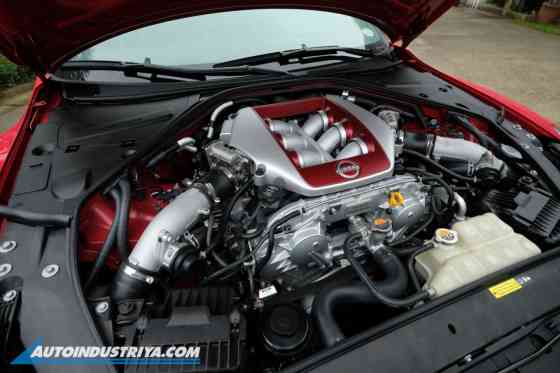
The long hood (with those two NACA ducts) conceals the heart of the car: the VR38DETT and a 6-speed dual-clutch gearbox. If you know your Nissans, then you can decode the engine model: VR denotes it’s the latest V6, 38 means 3.8 liters of displacement, D stands for DOHC, E stands for EFI, and TT means twin turbo. What else could it mean?
Over the years, it has evolved with new turbos to help reduce lag and enhance response. They also unlocked a bit more power from the engine: it’s now making 570 PS, and it needs the good fuel (100 octane) to make it happen.
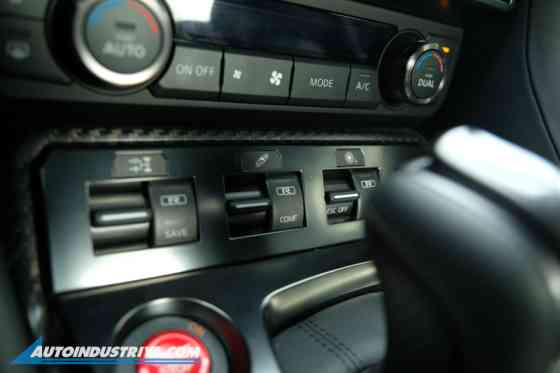
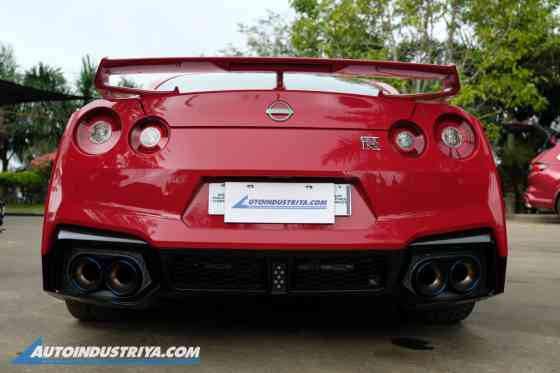
Press the red ignition button and a growl starts to emanate from the exhaust with the burnt blue titanium tips. One must be careful if you’re pulling out of your garage for a night drive because the deep bass of the sound can trigger those annoyingly sensitive aftermarket car alarms. This is not for any kind of stealthy drive that you might want to do. The local HOA won’t like you either, as the underside of your GT-R does have a chance of scraping if you don’t take it nice and slow.
If you’re looking at a GT-R as a practical everyday town car, well you may be better off looking at a luxury sedan or SUV. This will not be a pleasant car to drive in traffic given the nature of the DCT, the noise, the suspension (even in its softest setting), the extra heat on the center tunnel, and many more. This is a Japanese thoroughbred, and it deserves to run fast. It’s not meant for bumper-to-bumper traffic or bad roads because you will feel it, and the GT-R will hate you for it.
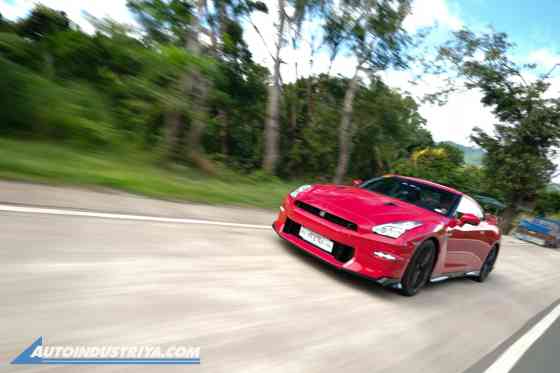
When you do get onto the open road, then the GT-R will love you for it, and you will love the GT-R. Push the throttle to the floor if you dare, and this will dash from 0-100 km/h in 3 seconds. Heck, if you have a speedway to yourself (not on public roads) then you can try to get it up to its 315 km/h quoted top speed, but don’t do that until you’ve checked and rechecked your tires, lug nut torque, and brake condition.
If you’re more into fast mountain road driving, then the GT-R is definitely for you… if not a bit of overkill. Yes, it’s powerful, but the distribution of weight is what makes the GT-R great. Nissan positioned the engine as far back as they could, creating a front-midship style layout. Other cars that use this kind of layout include the Lexus LFA, the Dodge Viper, the Mazda RX-7, and its sibling, the Nissan Z. This reduces the mass in front of the axle and improves the handling. But the other trick is they fitted the transmission under the rear seats (hence the extra heat you may feel there) instead of in front, so they can enhance the weight distribution.
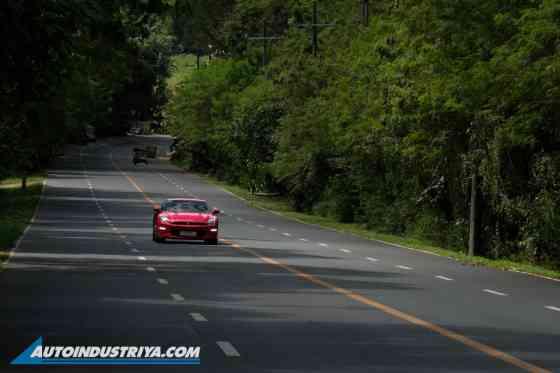
And then there’s the torque vectoring system that Nissan calls ATTESA E-TS. This system has been Nissan’s magic high-performance beans since the R32, and it creates a car that can defy physics through a smart control of where the torque is sent. The result is a heavy car that hugs the road tighter than the clingiest relationship you’ve ever had.
The GT-R experience is as it has always been, and that’s the way it should be: pinning you to the seat at full throttle, forcing anyone in the car with you to hold on to whatever they can, all as you blast past in something that weights as heavy as an SUV and sounds like a freight train on high revs. But the days are numbered for this ugly yet beautifully brutish monster. Its existence can’t be tolerated by a world that has rapidly changed since its inception.
The future, however, is bright. We’ve driven models from other automakers (that would be you, Hyundai Ioniq 5 N) that show us that electric has the ability to deliver the thrills we motorheads seek. And at last year’s Japan Mobility Show (formerly the Tokyo Motor Show) we got a glimpse of that future with the Hyper Force.
Nissan, please make it as awesome as this.