Emotive Experience: 2025 Bangkok International Motor Show

Chinese automotive uprising
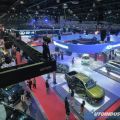
The Bangkok International Motor Show opened its 46th edition on March 24 at the Impact Challenger Halls in Muang Thong Thani, Thailand. The annual automotive event hosted 36 global automotive brands and 8 motorcycle brands aiming to establish their presence in one of the region's most important markets.
Economic challenges in the backdrop
The present global oversupply of cars with a production surplus of 16%, combined with Thailand's already fragile economic situation which saw a 26.18% decline in 2024 have cast long shadows over this year's event. Chinese automotive players are expected to continue their aggressive pricing strategy to woo customers versus traditional Japanese and European brands taking a more conservative approach.
As a selling show that has historically driven the automotive industry's success, all eyes will be on Thailand's first major auto show this year.
Rise of China
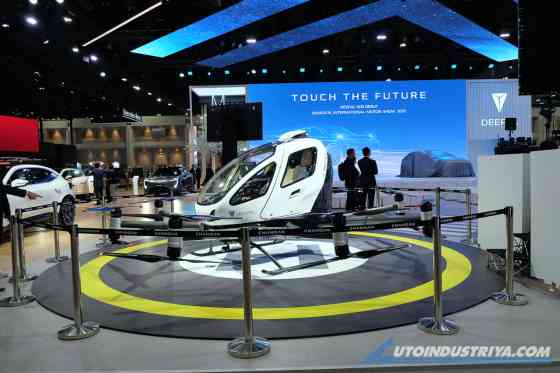
The Chinese are definitely on the rise, as they now comprise nearly half of the exhibitors at the motor show, compared to maybe only 2 to 3 about a decade ago. As with our home market, this year’s Bangkok International Motor Show sees even more Chinese brands participating. Out of the 36 global brands in attendance, 15 Chinese brands aim to increase their market presence in Thailand and the region.
Big players from China came in the form of BYD, Denza, Changan's Avatr and Deepal, GAC Aion, Geely, Geely Riddara (Radar), GWM, MG, Zeekr, Omoda & Jaecoo, and Xpeng.
Pride of Japan
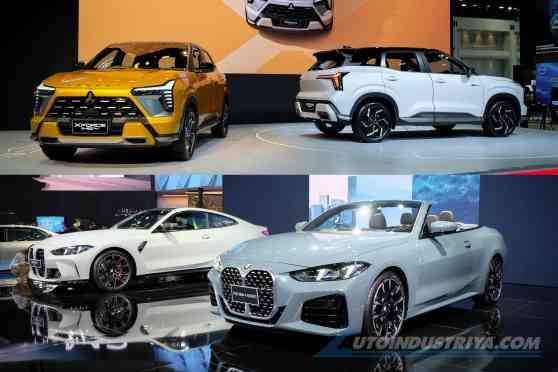
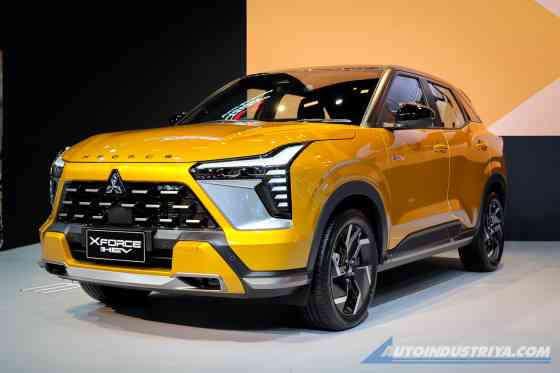
The most significant launch this year for the Japanese brands is the Mitsubishi Xforce HEV, a hybridized version of Mitsubishi's global compact crossover.
The pride of the Japanese automakers will be on the line as they struggle with the continued slew of new Chinese competition offering better tech, features, and lower prices. As traditional Japanese players have reduced their footprint in the motor show, the Chinese are doubling down on their efforts with larger spaces and grander presentations.
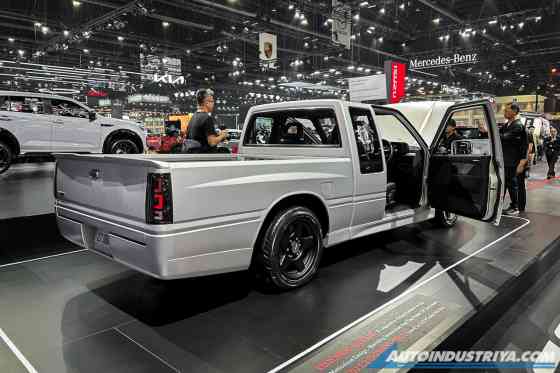
They are however taking a conservative approach and delaying their full model change introductions with nameplates such as the Fortuner, Hilux, Pajero/Montero Sport, D-Max, mu-X, and Navara.
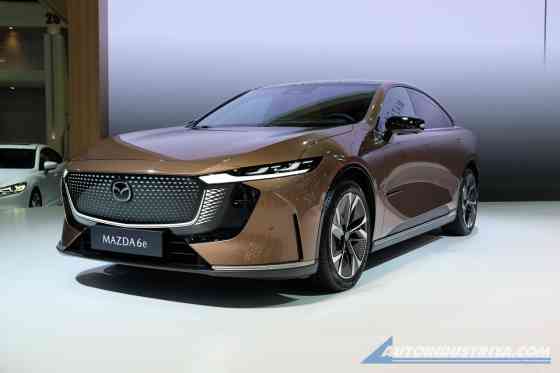
Mazda took the covers off its 6e BEV, it is not entirely a Japanese car; being based on the Deepal L07 from Changan, Mazda's JV partner in China. It will be built and imported from China as a CBU.
Market leader Toyota is taking things very conservatively by not launching anything new, while Honda and Suzuki followed suit with significantly smaller footprints. Troubled Japanese automaker Nissan once again highlighted their display with the C27 Serena e-Power that debuted late last year.
Korean contenders
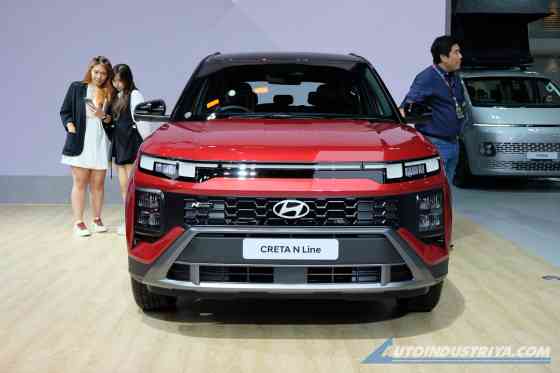
Hyundai introduced the updated Creta and Kona Electric, both cars will come from Hyundai's Indonesia plant. With their launch in Thailand, it may not be long until we see these in our market.
Kia highlighted their display with the EV5 GT-Line AWD and EV9 GT-Line AWD.
European premium
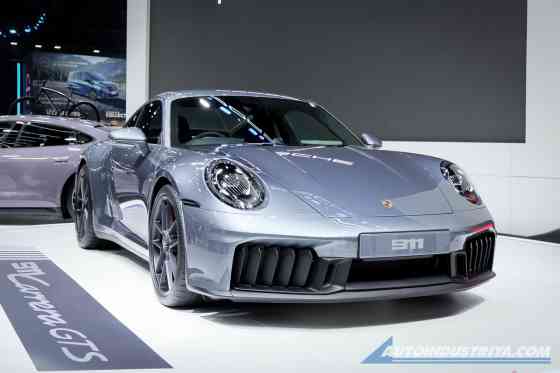
The heavily German-dominated premium market saw unveils in the form of the Aston Martin Vantage, BMW M4 Competition and 4 Series Convertible, and Porsche 911 GTS. Mini highlighted their display with the JCW Electric and Aceman Electric front and center, flanked by gas-fed versions of the Cooper JCW in hatchback and convertible. Volvo presented the updated XC90 alongside the EX90 electric SUV.
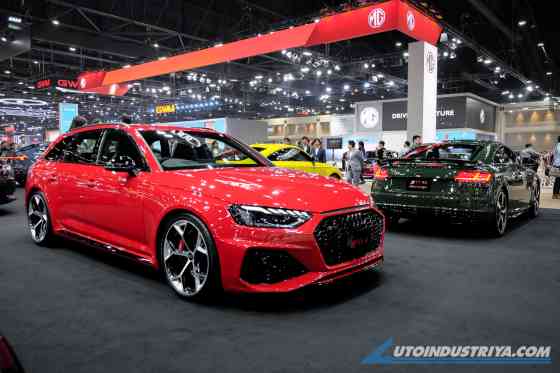
Motor show mainstays Audi, Mercedes-Benz, Rolls-Royce, and Maserati still maintained their presence with their present offerings.
American decline
The presence of American players has significantly declined with Chevrolet's permanent exit in 2019 from the market, while Ford has reduced its footprint to only two nameplates in market and production. Jeep has a minimal presence with their cars facing heavy import duties. They will likely have to wait to be made great again.
Extension space
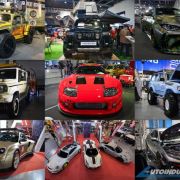
The extension space at Impact Forum Hall 4 also features auto accessories, a die-cast car exhibit, and a used car display.
A new Hall 5 was added to house the BYD Inmovation Lab which demonstrates the brand's tech and features.
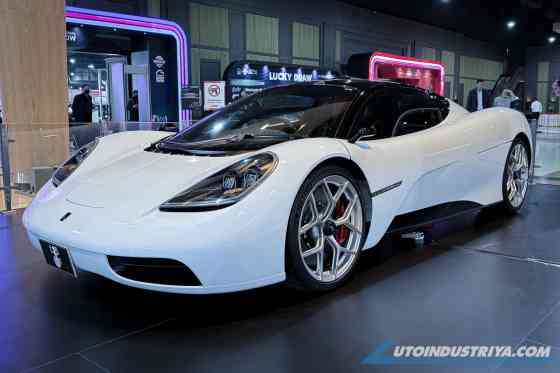
We missed last year's supercars and hypercars on display for the event's 45th anniversary. But they did display a Gordon Murray Automotive T.50 hypercar this year for our eyes to feast on.
With global motor shows still trying to make themselves relatable and relevant for automotive brands to participate in, the Bangkok International Motor Show still finds a way to make its mark with the filled-up exhibition halls and parking lots full of cars.
Public days for the 2025 Bangkok International Motor Show will be from March 26 to April 6. Organizers are expecting to match the previous year's attendance of 1.6 million and more or less meet the vehicle reservation targets.