Toyota PH endorses professional vehicle dismantling facility in Naic, Cavite

An eco-friendly approach to recycling scrap, reusing resources, and managing waste
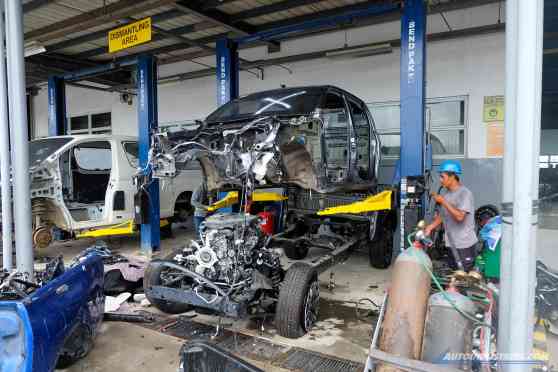
Motor vehicles in the Philippines that have reached their end-of-life due to old age, severe damage from a crash, or a natural disaster—are often faced with two fates: they are either abandoned to decay from exposure to the elements, or are taken to a backyard auto shop or junk shop to begin the katay for any salvageable parts that can be sold for a few bucks.
Katay refers to the practice of dismantling a motor vehicle.
This kind of dismantling process is both a safety risk for workers and a serious environmental hazard, often involving the improper disposal of dangerous substances such as oils, chemicals, refrigerants, and plastics.
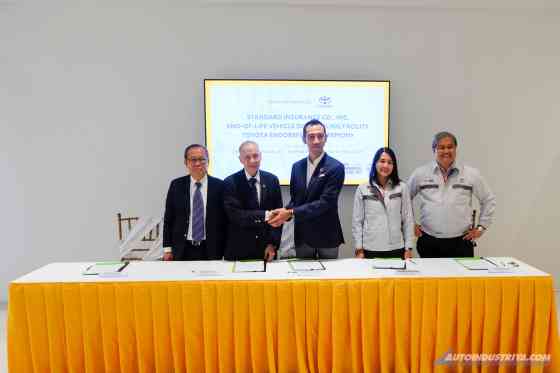
As part of its Toyota Environmental Challenge 2050 program, Toyota Motor Philippines endorses its second End-of-Life Vehicle (ELV) dismantling facility, through Standard Insurance’s Technical and Training Center in Naic, Cavite.
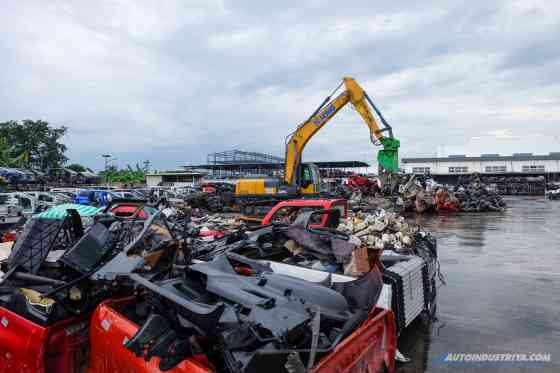
This ELV facility, located within the expansive Standard Insurance complex, is built for precision. It efficiently dismantles vehicles, salvaging everything from major components like engines and transmissions to smaller parts like wiring harnesses and dashboards. All usable parts are cleaned for resale at the surplus market or used as spare parts to support insurance claims.
Oils and chemicals are extracted with specialized equipment for safe disposal. Non-salvageable materials like metals and plastics are broken down and sold as scrap for recycling, ensuring a systematic and environmentally conscious process.
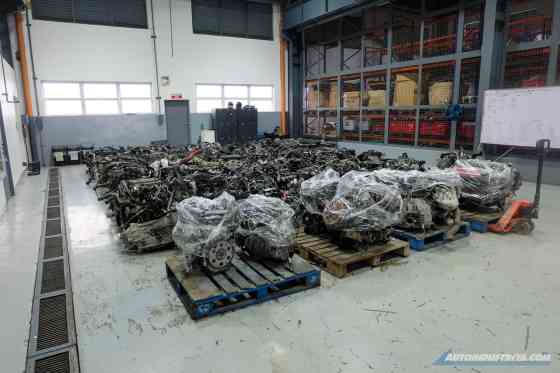
By championing state-of-the-art ELV facilities like this, Toyota Motor Philippines is taking a big leap in the local automotive industry. This initiative also moves beyond simply selling new vehicles and directly addresses the full lifecycle of a car, including its end-of-life.
It also demonstrates a concrete commitment to the Toyota Environmental Challenge 2050 by providing a safe and eco-friendly alternative to traditional dismantling, not only minimizing the environmental impact of old vehicles but also setting a new, responsible standard for the entire automotive ecosystem in the Philippines.