Too late? PH Gov’t scrambles for alternate oil suppliers as fuel crisis looms

Philippines eyes alternative oil suppliers as fuel shortage fears rise
The Middle East has long been a volatile region, and the Philippines’ heavy reliance on it for oil makes the country especially vulnerable whenever tensions flare up. With the current US & Israel vs Iran conflict escalating, the impact is already being felt locally, as fuel prices climb, and projections show pump prices breaching the PHP 80-per-liter mark as early as next week.
Only now, with a crisis looming, is the government looking to diversify its oil sources, as it eyes suppliers from Canada, the United States, as well as producers in South America and Africa to ease the country’s dependence on Middle East imports.
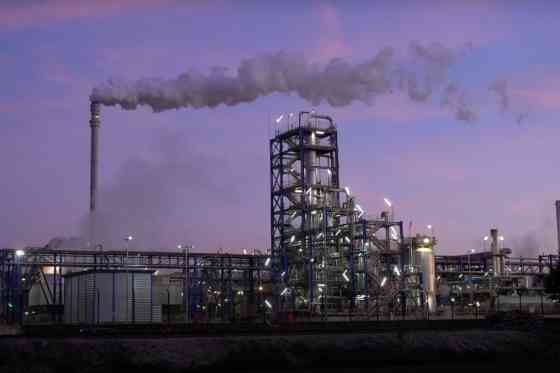
US Department of Energy photo
One of the Department of Energy’s proposals is to encourage local oil companies to explore importing crude from “non-traditional” sources outside the Middle East, which currently supplies about 98% of the country’s oil requirements.
The government considers the move a “temporary fix,” but officials say ensuring a steady fuel supply could help act as a price ceiling and keep pump prices at more manageable levels.
During a meeting on Monday, Energy Secretary, Sharon Garin, said oil companies assured the agency that they remain more than compliant with fuel supply requirements. Based on DOE estimates, the country’s current fuel reserves can last more than two months, well beyond the minimum 15-day requirement. There are also no immediate concerns about shortages, as shipments from source countries typically take around a week to reach the Philippines.
In a March 3 briefing, President Ferdinand “Bongbong” Marcos, Jr. said the Philippines has fuel stockpiles that could last at least 50 days, assuming normal consumption and no hoarding by large industries or regular consumers.
According to the President, current reserves include 50½ days of diesel and 51½ days of gasoline. Other fuel supplies also remain healthy, with 67 days of kerosene, 51½ days of fuel oil (likely used as bunker fuel for industries), 58½ days of jet fuel, and 29½ days of LPG.