Subaru launches Heritage program for classic models

Meeting enthusiasts’ demand to keep classic Subarus on the road
The recently held Nostalgic 2 Days is one of Japan’s largest classic car shows, showcasing rare vintage Japanese vehicles, especially iconic JDM models, alongside restoration shops, parts vendors, and automotive memorabilia.
Drawing more than 40,000 enthusiasts, the event offered a museum-like atmosphere dedicated to preserving and celebrating Japan’s rich automotive heritage.

It also served as a fitting venue for Subaru to announce the launch of its Heritage Service program, which aims to reproduce parts for classic models.
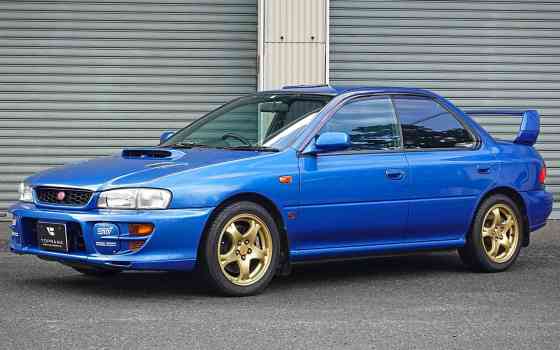
The first model to receive newly produced parts under the program is the GC8 Impreza WRX and WRX STi, though Subaru says additional models may be included in the future depending on customer demand.
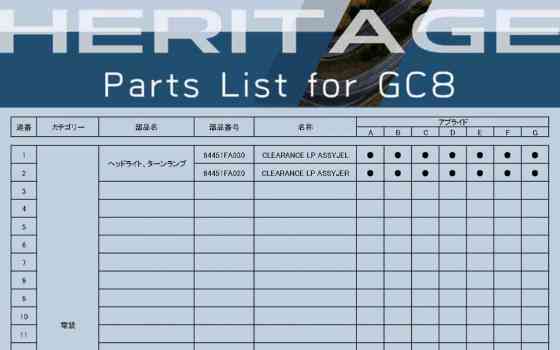
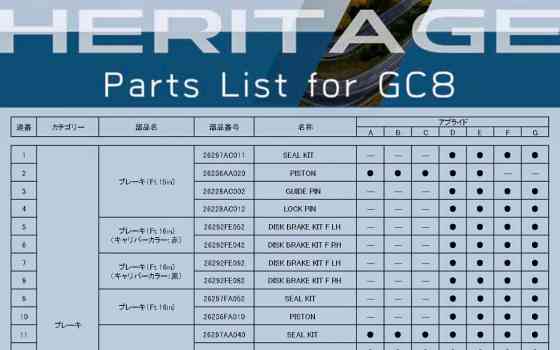
The initial list of parts includes the headlight and turn signal assemblies, weatherstripping, idle speed control valves, brake seals, pistons and discs, as well as decals.
The GC8 was particularly selected to launch the program due to its age and strong enthusiast following, as newer WRX generations still have broader parts availability.
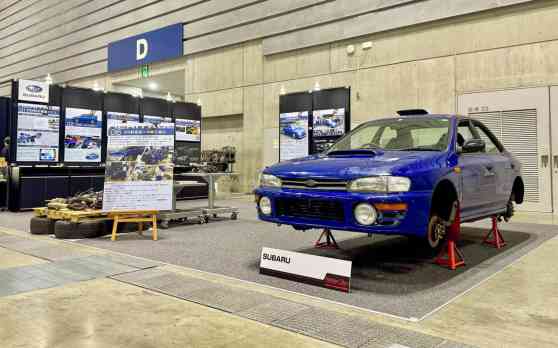
As part of the program’s initiative, Subaru studied GC8 models with over 200,000 km on the odometer to identify common failure points.
One example was a partially disassembled 1996 Subaru Impreza Type RA STi Ver. II V-Limited, one of just 555 built to celebrate Subaru’s 1995 WRC championship. The car was displayed at the show to illustrate the parts analysis process.
Subaru now joins brands like Nissan, Toyota, Mazda, and Honda in offering an official heritage parts program. While this is welcome news for owners of classic Subarus, the initiative is currently limited to Japan, with no confirmation yet on whether these parts will eventually be made available in the United States or other markets.
What’s your take on Japanese automakers launching classic parts restoration programs to meet the growing demand from enthusiasts? Share your thoughts with us in the comments below.