Philippines-South Korea free trade deal drops car tariff to 0%

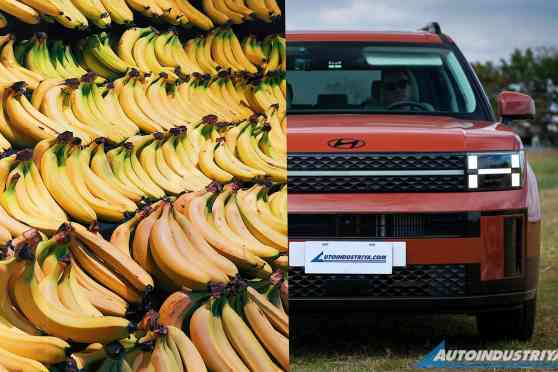
Bananas for Cars
On the last day of 2024, a free trade agreement or FTA came into effect, and it will benefit local farmers, manufacturers, and other businesses while dropping prices of goods… including automobiles.
The new FTA between the Philippines and South Korea entered into force on 31 December 2024; an event that the Department of Trade and Industry called a “historic milestone” between the two countries. The agreement itself was signed on 17 September 2023, coinciding with the 75th year of diplomatic relations between the Philippines and South Korea.
“The implementation of this bilateral FTA is a significant stride in growing trade and investment between the Philippines and South Korea, as it represents a collective achievement that will truly set the stage for the growth of our industries and businesses,” said Department of Trade and Industry (DTI) Secretary Cristina A. Roque.
The FTA seeks to improve the market access of the Philippines when it comes to exporting local products such as tropical fruits, as it cuts tariffs for these products. This is particularly beneficial to the local economy because of the fresh bananas grown by farmers. The tariff on bananas -a crucial Philippine export- has now dropped to 18%, and will continue to drop to 0% come January 2028.
The FTA also expands the potential for cooperation and investment in industries like minerals processing, and manufacturing, among others.
What it also gives South Korea is greater access to the Philippine market as it drops tariffs on a lot of goods that also includes automobiles. Whereas certain vehicles under AHTN codes had a 5% tariff, that has now dropped to 0%. While it doesn't sound like much, 5% is still considerable given the prices of vehicles. This could benefit brands such as Hyundai, and Kia, among others.
DTI says that South Korea will benefit from the FTA because of the lower tariffs on automotive vehicles, parts, and components, especially for commercial passenger and transport vehicles. This will lead to cheaper costs for vehicle assemblers and car owners. This should help boost the position of South Korean automakers to be more competitive in price with Japanese, American, and Chinese automakers.
The DTI says that the agreement will boost how competitive the Philippines is compared to its neighbors and other regional producers. They were also careful in ensuring that other local industries were protected when negotiating the deal.