PBBM: PH gov't looking for alternate sources of oil amid Middle East tensions

President Marcos says PH government already in talks with other countries to buy oil from
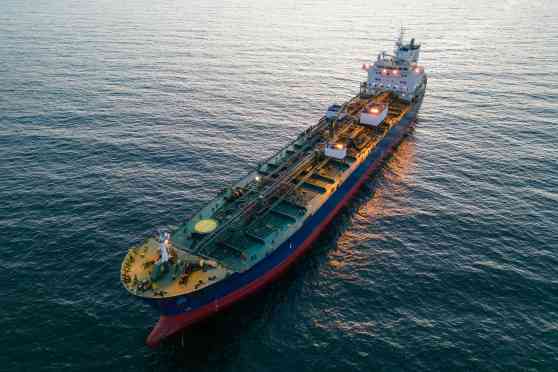
There are no signs of tensions in the Middle East easing up. In addition, the Strait of Hormuz remains closed to shipping, essentially blocking 20% to 25% of the world's oil supply. This has affected the Philippines greatly as the country heavily relies on Middle East crude oil, resulting in a spike in fuel prices earlier this week.
With fuel prices expected to be hit by another round of price hikes next week, President Ferdinand “Bong-Bong” Marcos Jr. recently announced that the Philippine government is looking for other sources of crude oil amid the continued conflict in the Middle East. The Chief Executive also mentioned that the country is awaiting the arrival of some supplies that are already in transit.
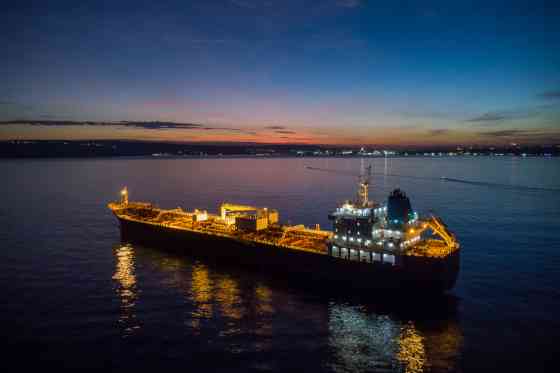
“In terms of supply, we are in good shape. And not only do we have inventory in the Philippines, we also are awaiting some supplies coming in that are in transit,” said Marcos.
But with the Philippines a net importer of oil and heavily reliant on Middle East crude (about 98% of its imports with the remaining 2% coming from Brunei and Malaysia), it's not surprising the government has decided to look for other alternate sources of oil supply. In fact, the President shared that they are already in talks with other countries that could supply oil to the country.
“We are talking to many other countries [whom] we normally do not buy oil from, but hopefully, we will be able to come to an agreement with them and that we will get further supply from them,” added Marcos.
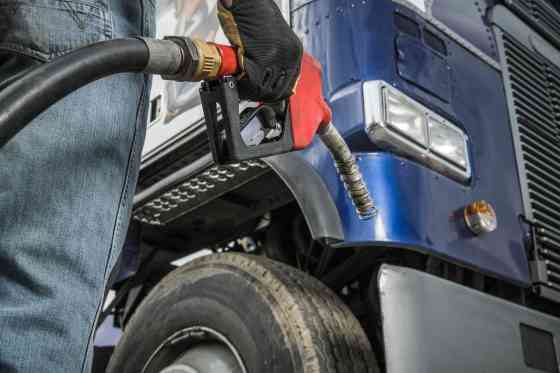
Meanwhile, the Department of Energy (DOE) is awaiting legislative approval to import cheaper biofuel to help temper fuel price spikes. However, importing cheaper biofuel could drastically affect the domestic industry as a whole. But with another round of fuel price hikes expected next week, this temporary fix might help alleviate rising fuel prices.
The President assured that the Philippines has stockpiles of oil that are enough to last up to 60 days, with some new supplies already on its way to help extend the country's supply. But with fuel prices still expected to go up, the price of basic commodities might also go up in the not-so-distant future.
With no signs of tensions in the Middle East slowing down, it might take awhile for global oil supply to normalize and for prices to go down.