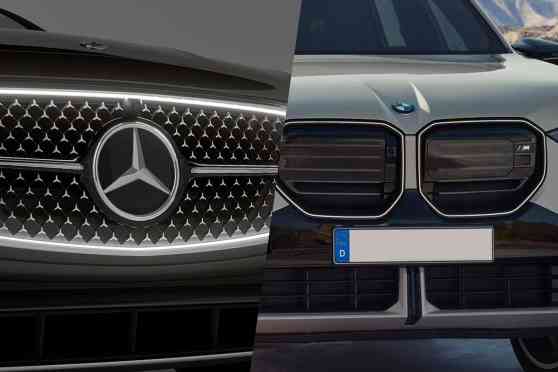
Next-gen Mercedes-Benz PHEVs to get BMW engines?

What would purists say about this?
If you have been into cars long enough, never in a million years would you imagine a Toyota vehicle being powered with a Honda engine straight from the factory. The same goes with Mercedes-Benz and BMW, but apparently, the latter could actually be happening soon.
According to a report by Autocar UK, Mercedes-Benz and BMW are in talks about an engine sharing deal – one that would see Mercedes-Benz potentially use BMW engines for its several models.
The engine being talked about is the B48 – a turbocharged 2.0-liter, four-cylinder engine found in BMW models such as the 2 series, 3 series, 5 series, its crossover counterparts, and even in the Mini lineup.
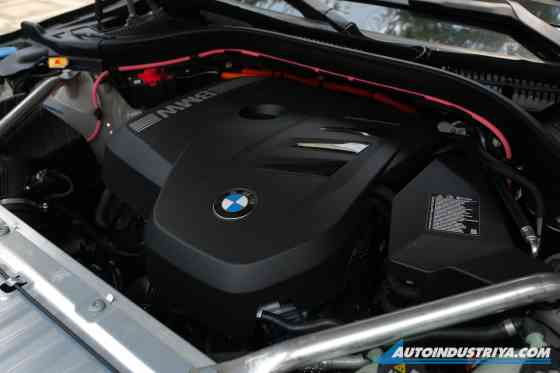
BMW B48 engine
When viewed in a pure business sense, the partnership clearly benefits both brands. BMW could use the deal to fund further powertrain developments, while Mercedes-Benz could secure a Euro 7-compliant engine as it pivots its ICE strategy without needing a heavy investment in engine development.
Mercedes-Benz has already developed a 1.5-liter four-cylinder turbo called M252 that’s produced in China by Horse, an engine company formed through a joint venture between Geely and Renault. However, the aforementioned engine is reportedly only suited for mild hybrid applications and not currently engineered for use in plug-in hybrid applications or range extender EVs.
That’s where the B48 engine comes into play, as it’s being used by BMW for PHEV applications for models like the X3 30e xDrive, which is already on sale in the Philippine market. Further reports state that Mercedes-Benz will be sourcing the engine from BMW’s Steyr, Austria, plant, but both brands could also team up to build a shared engine plant in the US to find a way around import tariffs.
It’s somehow strange for fans of both brands for the two companies to actually work together, as they have been longtime rivals in the premium segment. But if it means ensuring the survival of both for the long term, then time will come when it will be eventually viewed as “just doing business”.