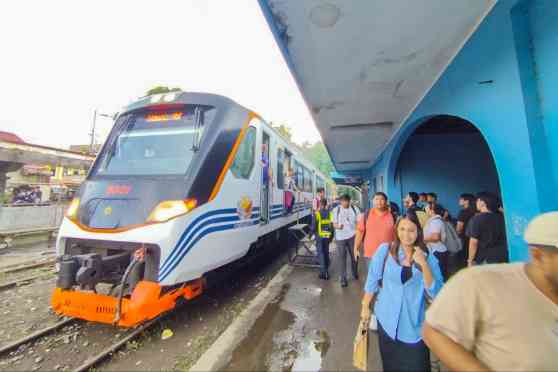
New DOTr memo requires officials to use public transporation weekly

DOTr officials now required to commute weekly under new memo
The Philippines’ public transportation system has long been among the most problematic in the world, which is plagued by inefficiency, congestion, and neglect. For decades, those tasked with fixing it have been insulated from the struggle, traveling to their offices in the comfort of private or government-issued vehicles, with fuel and toll fees conveniently shouldered by taxpayers.
This disconnect has meant that many policymakers shaping transport solutions have rarely, if ever, endured the daily ordeal of long queues, crowded trains, and unreliable buses. That gap between leadership and lived reality may finally narrow with the new directive requiring transport officials to experience commuting firsthand in an attempt to ground policy in the same frustrations millions of Filipinos face every day.
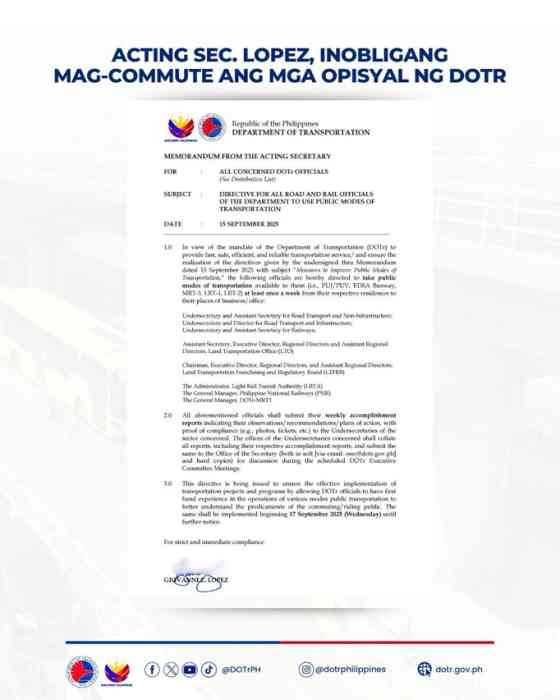
Starting this week, officials of the Department of Transportation (DOTr) are now required to use public transportation at least once a week, following a new memo issued by Acting Secretary Giovanni “Banoy” Lopez.
Under the memo, officials from the Road and Rail sectors are specifically mandated to experience commuting firsthand, as these sectors handle the bulk of transportation projects.
“Itong mga opisyal natin sa Road at Rail sector, sila talaga ‘yung mga dapat lumalabas lagi kasi karamihan ng ating mga proyekto ay nasa mga sektor na ito,” Sec. Lopez explained.
(These officials of ours in the Road and Rail sectors, they are the ones who should always be out there because most of our projects are in these sectors.)
He also encouraged officials from other DOTr divisions to participate, stressing that the only way to fully understand commuters' struggles is to share in their daily journey.
Additionally, the memo requires officials to submit detailed reports after their commute. These reports will include observations, recommendations, and action plans aimed at easing the burden on commuters. This feedback loop is intended to turn firsthand experiences into concrete reforms.
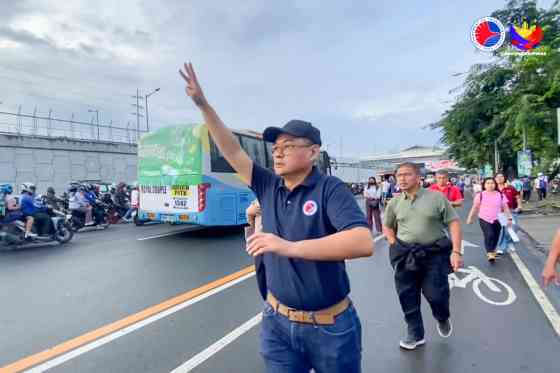
Lopez himself set an example by commuting to work during the Monday morning rush hour, personally engaging with passengers and witnessing the congestion and delays they endure.