MMDA: Traffic enforcers can still issue tickets on NCAP ‘blind spots’

Traffic enforcers still on the ground to issue tickets
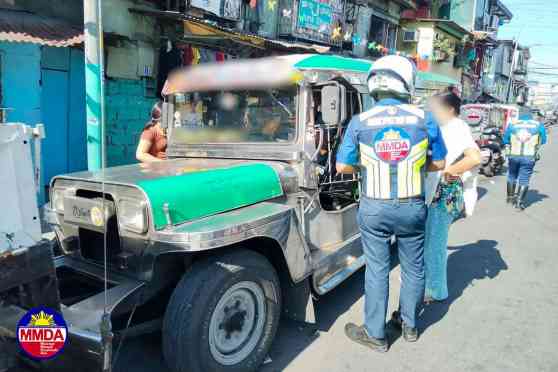
Since the reintroduction of the MMDA’s No Contact Apprehension Policy (NCAP), motorists are still wondering why the agency’s traffic enforcers are still on the ground and issuing tickets to traffic violators. The MMDA clarified that NCAP still has its ‘blind spots’ and therefore needs ‘human help’ from its ground personnel across Metro Manila to continue conducting physical apprehensions of traffic violators.
This directive addresses a common misconception that NCAP’s automated surveillance through CCTVs entirely replaces human enforcement. The MMDA has emphasized that physical apprehension remains a vital component of traffic management due to the inherent limitations of technology.
Specifically, according to the MMDA, there are various ‘blind spot areas’ within the metro that are not adequately covered by CCTV cameras. In these zones, the presence of uniformed enforcers is crucial for identifying and ticketing individuals who disregard traffic laws.
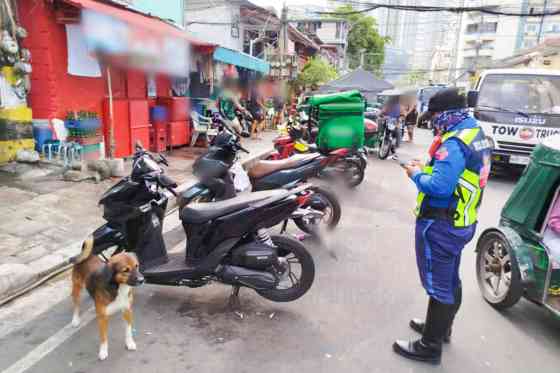
A primary concern among motorists since the reintroduction of NCAP has been the potential for double recording of traffic violations. The MMDA has assured that such duplication will not occur.
To prevent this, a stringent system has been put in place: traffic enforcers are required to submit all physically-issued traffic citation tickets to the MMDA. These submitted tickets then undergo a rigorous cross-referencing process to ensure that they are not already recorded by the automated cameras under NCAP. This counter-checking mechanism aims to maintain the integrity of violation records and ensure that motorists are not unfairly penalized twice for the same offense.
This approach, said the MMDA, was designed to maximize both enforcement coverage and deterrence, while also working to ensure fairness in how apprehensions are carried out. That said, motorists are urged to remain vigilant and strictly follow all traffic regulations, moving away from the outdated mentality that obeying traffic laws in the Philippines is optional.