MMDA NCAP: How it works and what you need to know

To clear the air
After being suspended for the past three years, the MMDA’s No Contact Apprehension Policy (NCAP) is being re-implemented today, May 26, 2025. As a way to digitize traffic monitoring and enforcement, NCAP is pretty straightforward: the system uses high-definition CCTVs that are spread in strategic areas along Metro Manila’s major throughfares to manage traffic. You can view all the NCAP covered thoroughfares here.
But as the system goes back online today, how does the MMDA NCAP work this time around?
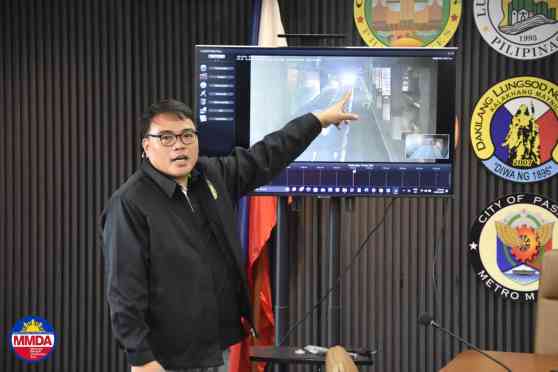
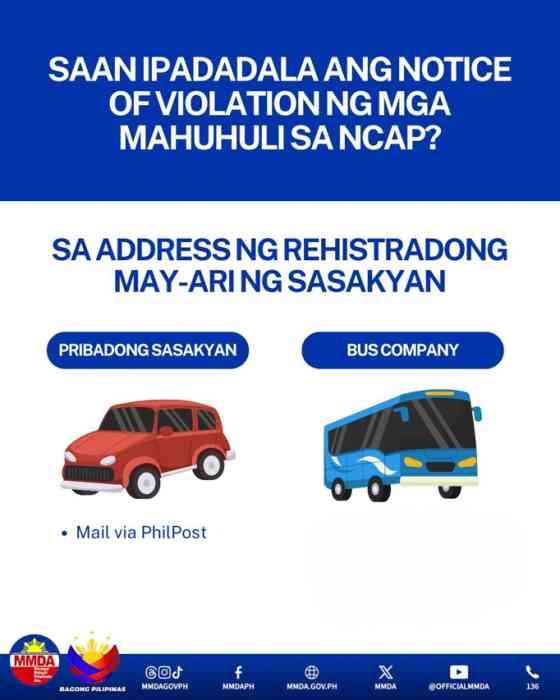
Everything starts and goes around the MMDA command center. For example, when a motorist commits a traffic violation, an MMDA operator in the command center reviews and validates the footage. The operator will then verify the vehicle or motorcycle’s registration information through the LTO’s Information Query Facility. After verification, the MMDA operator then encodes the violation into the NCAP system, which generates and sends a Notice of Violation to the registered address of the violator.
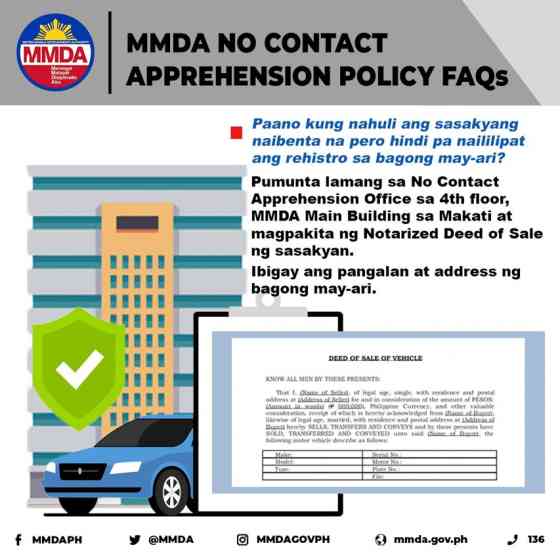
But what if the vehicle or motorcycle has been sold?
If you receive an NCAP Notice of Violation for a vehicle or motorcycle you’ve already sold (because the new owner hasn’t completed the ownership transfer), you’ll need to go to the MMDA NCAP office and present the notarized Deed of Sale of Vehicle and the address of the person who bought the vehicle.
What if the traffic violation remains unsettled?
The MMDA warns that failure to settle an NCAP Notice of Violation within the *set period will result in an LTO alarm being placed on the vehicle or motorcycle. This alarm will prevent the vehicle’s registration from being renewed until the outstanding MMDA fines and any additional charges are settled.
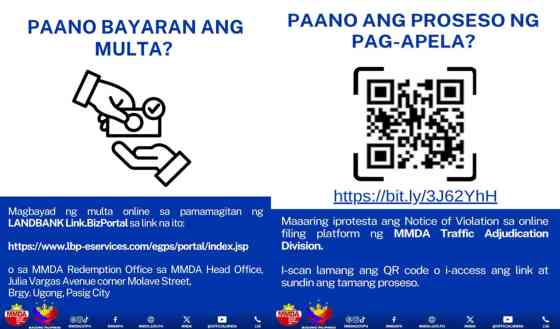
The MMDA has also set up an online payment channel (via Landbank) for NCAP violations, or can be paid in person at its head office. MMDA’s NCAP also has its dedicated Adjudication Department for those wishing to contest a Notice of Violation. For more details, visit the MMDA’s official social media pages.
*The MMDA is yet to announce its new payment period as of this writing