MMDA launches STAG Special Unit to enforce NCAP with body cameras

New MMDA special unit to wear body cameras as part of NCAP
When the Metropolitan Manila Development Authority (MMDA) resumed its implementation of the No Contact Apprehension Policy (NCAP) in May, an immediate impact was felt on the roads as motorists tend to drive more cautiously, as well as courteously, to avoid getting a traffic violation through the agency’s watchful CCTVs.
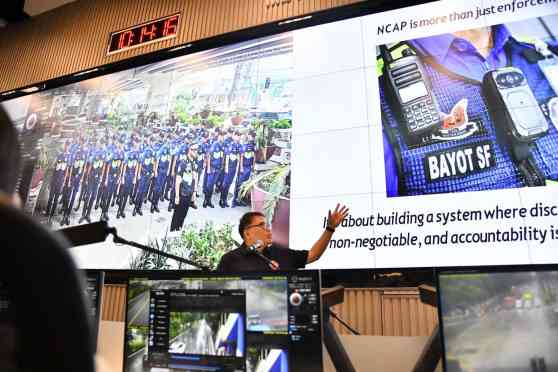
Now to complement NCAP, the MMDA announced that it has rolled out the use of body-worn cameras through its newly established Swift Traffic Action Group (STAG).
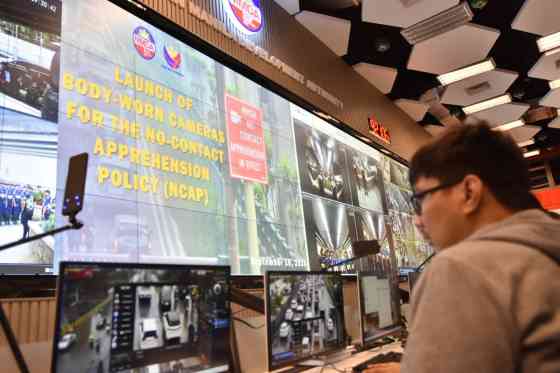
MMDA Chairman Atty. Don Artes said this initiative is part of the agency’s push to modernize traffic enforcement and minimize face-to-face confrontations that often arise between motorists and enforcers during road clearing operations.
“The use of body-worn cameras is part of the innovations for NCAP. It will initially cover key Metro Manila thoroughfares and designated Mabuhay Lanes, with wider coverage planned once the ban on street parking is approved,” said Artes.
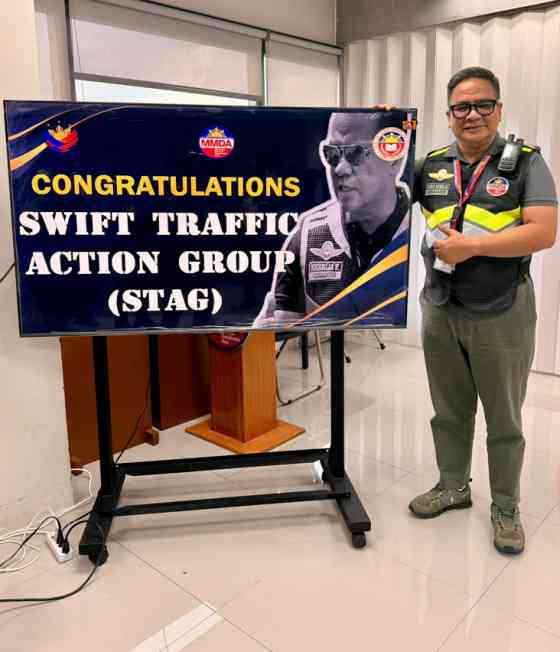
STAG personnel, led by Traffic Operations Officer IV, Edison “Bong” Nebrija, are equipped with body cameras linked to the Command Center for real-time monitoring and documentation. A buddy system is also in place, says the MMDA: one officer operates as the “camera coder” wearing the device, while another issues the notice of violation—ensuring transparency and accountability in every apprehension.
1-2 punch enforcement
The MMDA explained that operations will be conducted in a “one-two punch” type of enforcement. The initial wave of anti-illegal parking operations will be led by the STAG, under Nebrija. Then, after one week, the area will undergo reassessment by the Special Operations Group – Task Force for Road Clearing (SOG-TFRC), headed by Traffic Operations Officer III Gabriel Go, to check compliance and carry out follow-up clearing if needed.
Artes clarified that the two groups have distinct roles. STAG focuses on no-contact apprehensions documented through body-worn cameras, while the SOG-TFRC handles the physical clearing of illegally parked vehicles, including towing when necessary.
By relying on high-definition video evidence, the MMDA says it will reduce disputes, promote discipline, and ensure due process.
At the end of every operation, the recorded footage will be uploaded to the Command Center and manually reviewed by NCAP personnel. The MMDA adds that since September 8, its NCAP has already documented 65,918 traffic violations, with more than 36,000 already validated.