DOTr, LTO and PNP team up vs fixers, warns up to 12-year jail time

DOTr, LTO, PNP wage war vs fixers
Transportation Secretary Vince Dizon has acknowledged that we have a problem in terms of licensing and vehicle registration in the country, which greatly contributes to road crashes. Leveraging the internet, many of these scammers now entice their potential customers by openly advertising their services on social media groups or pages, a shift from operating solely outside LTO locations.
The government, through the Transportation Secretary, warned these online scammers and driver’s license fixers of prosecution for their illegal activities, which carries a potential penalty of up to 12 years in jail upon conviction.

“Anyone who posts online scams will be arrested and have you imprisoned. You will face 12 years in jail, and if you’re not afraid of that, then just wait until you get imprisoned,” says Dizon.
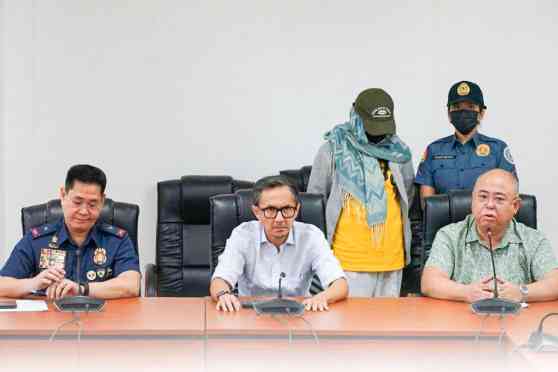
In a move against online fraud, the LTO and the PNP Anti-Cybercrime Group (PNP-ACG) apprehended individuals selling counterfeit driver’s licenses and Person With Disability (PWD) IDs online. Dizon reiterated that providing fake licenses to unqualified drivers could have deadly consequences on the road.
Beyond the operations against online fixers, the transport chief also revealed that the LTO has suspended 107 driving schools for irregularities, including issuing certificates to individuals without going through the process, a.k.a. “non-appearance”, and their non-compliance with mandated theoretical driver training.
“That’s why we’re here now to show everyone, especially those like him (pointing to the scammer) who are taking advantage of our countrymen, that they don’t realize what they’re doing could potentially cause the death of our people on the streets,” added Dizon.
This news is certainly welcome for motorists and other road users, signaling the government’s serious intent to eradicate the entrenched issue of fixers. A crucial next step, however, is addressing the involvement of some enterprising agency employees, including some of those in the higher ops. Will they also be prosecuted? Ultimately, the persistence of fixers may depend on prosecuting these internal collaborators and eliminating the bureaucratic inefficiencies that enable them.