
DOE: We have no power to control fuel prices under Oil Deregulation Law

DOE admits no authority over fuel prices
The conflict in the Middle East is worsening by the day, and it is already hitting countries like the Philippines hard, which heavily rely on the region’s oil exports.
In response to the volatile global oil market, the Department of Energy (DOE) yesterday released a daily fuel price adjustment table that will take effect starting March 10 until March 16, with pump prices set to increase every day within the period until another adjustment is issued.
Based on the table, diesel prices could rise by as much as PHP 23.24 per liter, while gasoline may increase by up to PHP 13.00 per liter.
For consumers, however, a key question remains: why are local oil companies and retailers already raising pump prices, when President Ferdinand “Bongbong” Marcos Jr. recently said the country has enough fuel stockpile to last at least 50 days under normal consumption?
In theory, this suggests that much of the fuel currently being sold was purchased before the escalation of the Middle East conflict, when global oil prices were still lower.
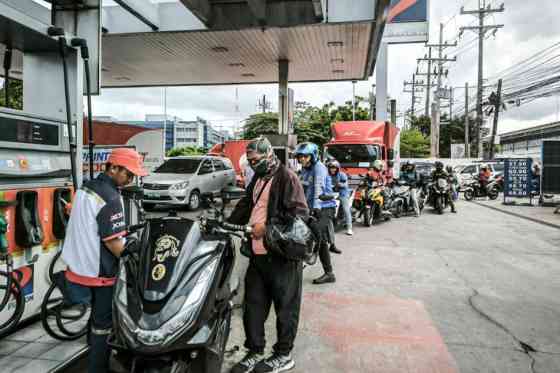
The DOE explained that it does not have the authority to regulate or control pump prices, citing the Oil Deregulation Law, which allows oil companies to set prices based on prevailing international market conditions.
“Under the deregulated regime, they can change the price anytime they want, kaya lang nagkaroon ng arrangement na i-weekly na lang natin para naman stable [fuel price] sa buong week,” said DOE Oil Industry Management Bureau Director, Rino Abad, during yesterday’s House Committee on Ways and Means briefing.
During the discussion, Committee Chairperson and Marikina Representative, Miro Quimbo, clarified whether the DOE has any authority under the Oil Deregulation Law to impose limits on gasoline prices or require oil companies to reflect the actual cost of previously purchased fuel supply, as some fuel stocks may have been acquired weeks earlier, before the conflict escalated and before global oil prices surged.
In response, Abad again confirmed that the agency does not have the legal authority to set price limits or compel oil companies to adjust prices based on the timing of their fuel purchases.
Quimbo also asked whether the DOE could require companies to lower pump prices if global crude prices were to fall significantly. Abad again acknowledged that the agency does not have such power under existing laws, although he noted that oil industry players generally follow market trends when adjusting prices.