BMW to launch hydrogen-powered vehicle in 2028 with Toyota's help

BMW, Toyota to jointly develop a fuel cell electric vehicle powertrain
Yes, you read that headline correctly just now. BMW has confirmed they plan to launch its first-ever series production of a fuel cell electric vehicle (FCEV) in 2028. This will allow the German automaker to offer zero emissions vehicles beyond just battery electric (BEV) and plug-in hybrid (PHEV).
To do this, BMW and Toyota have partnered up to pool their combined innovative strength and technologies when it comes to fuel cell propulsion systems. Moreover, both companies share the aspiration of advancing the hydrogen economy and further making this type of zero emissions available to the market.
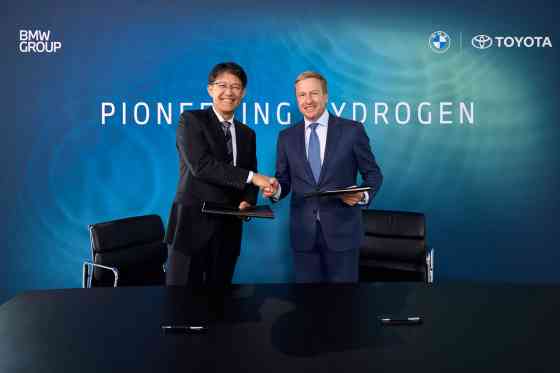
“This is a milestone in automotive history: the first-ever series production fuel cell vehicle to be offered by a global premium manufacturer. Powered by hydrogen and driven by the spirit of our cooperation, it will underscore how technological progress is shaping future mobility,” said Oliver Zipse, Chairman of The Board of Management at BMW AG.
Both BMW and Toyota will jointly develop the powertrain system for passenger vehicles with a core fuel cell technology. The result of this collaboration is a powertrain that both BMW and Toyota will use, which will further expand the range of FCEV options to customers. But does this mean BMW will simply rebadge an existing Toyota vehicle as theirs?
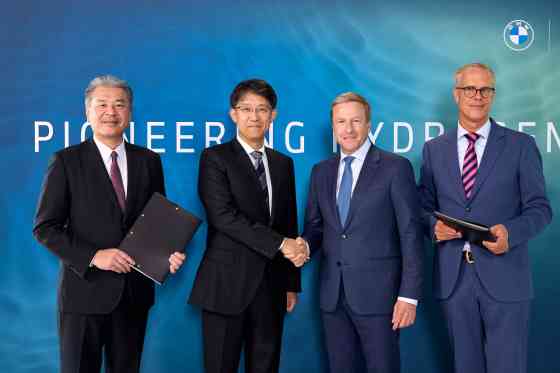
The two automakers have made it clear that customers can expect that BMW and Toyota FCEV models will maintain their distinct brand identities and characteristics – providing buyers with individual FCEV options to choose from. That means BMW and Toyota will reveal their own FCEVs but will use a shared powertrain.
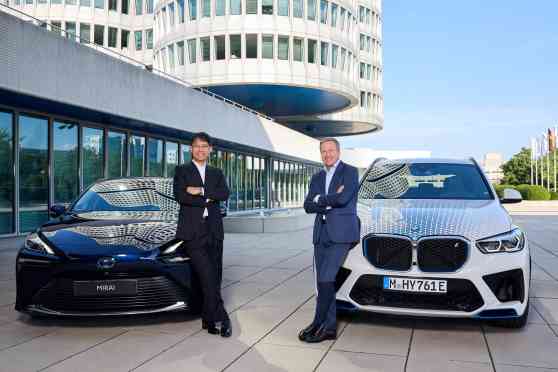
Before you think BMW is delving into unknown territory with fuel cell technology, do remember that the German automaker has already made an FCEV on its own in the form of the iX5 Hydrogen pilot fleet. It has a total system output of 374 PS and makes use of fuel cell tech derived from Toyota. In fact, the two companies have enjoyed a trusted partnership and have been collaborating on fuel cell drive systems since 2013.
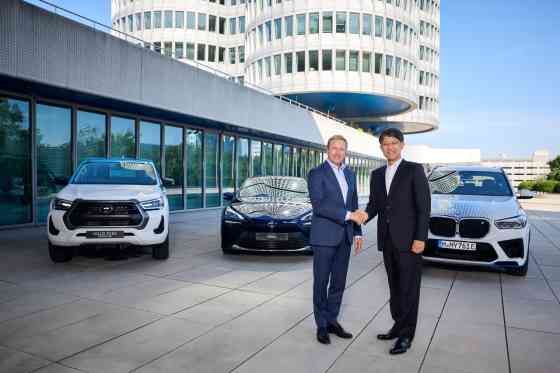
“We are pleased that the collaboration between BMW and Toyota has entered a new stage. In our long history of partnership, we have confirmed that BMW and Toyota share the same passion for cars and belief in ‘technology openness’ and a ‘multi-pathway’ approach to carbon neutrality. Based on these shared values, we will deepen our collaboration in efforts such as the joint development of next-generation fuel cell systems and the expansion of infrastructure, aiming for the realization of a hydrogen society. We will accelerate our efforts together with BMW and partners across various industries to realize a future where hydrogen energy supports society,” said Koji Sato, president & member of the Board of Management at Toyota Motor Corporation.
With BMW looking to launch its first hydrogen-powered production model in 2028, Toyota may not be far behind in introducing its own hydrogen-powered vehicle besides the Mirai.