Auto brakes get space-age technology from NASA

NASA engineer Jonathan Lee created the design during the pandemic
Heat (like almost every other automotive component) is your brake’s worst enemy. It damages the brake pads and causes metal fatigue on the calipers. The result is brake fade, something you do not want to happen whether you are going at 10 or 100 km/h.
Different kinds of materials react differently to heat. Most automobiles use cast iron brake discs, while high-performance vehicles (Ferrari, Maserati, Aston Martin, etc.), including Formula 1 cars use a composite material reinforced with carbon fiber. The latter is better at handling heat. The problem is, it is very expensive.
NASA (National Aeronautics and Space Administration) – that same agency that sent Neil Armstrong to the moon – lends its expertise in structural design and numerous licensed patents to help design a new, lighter, affordable disc brake system for cars and trucks.
Jonathan Lee, a structural materials engineer at NASA’s Marshall Space Flight Center in Huntsville, Alabama, was locked down during the pandemic. With nothing to do, he focused on the lowly automotive brake system.
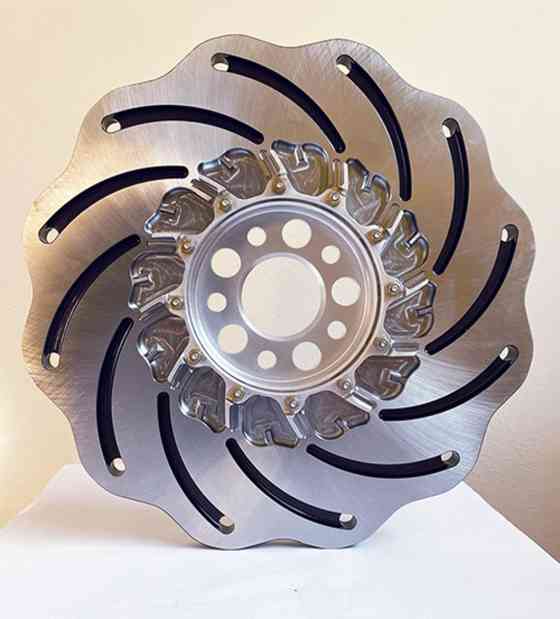
When you work on things used in outer space, I guess designs on Earth will appear old and inefficient. Well, that is exactly how Lee thought about the design of current brake systems - it’s the outside surfaces that are heated by friction with the brake pads, but the air cooling takes place on the inside surfaces, where the plates face each other.
Lee worked on a design to cool the hot surfaces and (in the process) eliminated one disc from each of the four rotors. The new setup has a single disc with a series of small fins around the central hub. While spinning, these draw in air and push it across the surface of the disc, where the brake pads make contact, cooling the rotor, as well as the brake pads and calipers. Several long depressions around the braking surfaces radiate from the center to create the regular, periodic pattern for 30% better air cooling and make it lighter while increasing friction to reduce brake slip.
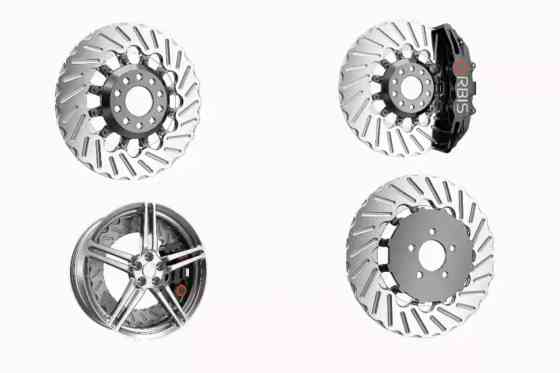
“When the air flings out, it goes across the brake caliper and cools it – no conventional rotor is capable of doing something crazy like that. It’s huge,” said Lee.
The design also has several other benefits. The troughs create an air vortex that pushes out water and road debris that gets between the pad and rotor and prevents it from emitting toxic nanoparticles from the brake pads because it performs cooler than conventional brake designs.
When will it be available to the market?
Orbis Brakes adopted NASA’s space-age brake system design. The first in the product line is NextWave for high-performance cars, including the personal vehicles of race car drivers who provide the company feedback about performance. Two more lines are coming up, LightWave and CarbonWave, the latter exclusively for electric vehicles.