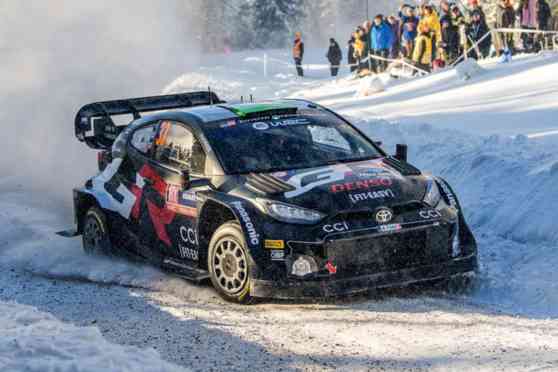
WRC 2027: The new golden era of rallying?

WRC could do a WEC by opening up the sport to more creativity and less costs
The FIA has revealed the roadmap to the future of the World Rally Championship, and it could shape up to be a new golden era for rallying.
There will be a new set of technical regulations that will come into effect in 2027, and will operate on a 10-year cycle. It’s intended to reduce costs, encourage creativity among teams and manufacturers, and ultimately open up the sport to more competitors.
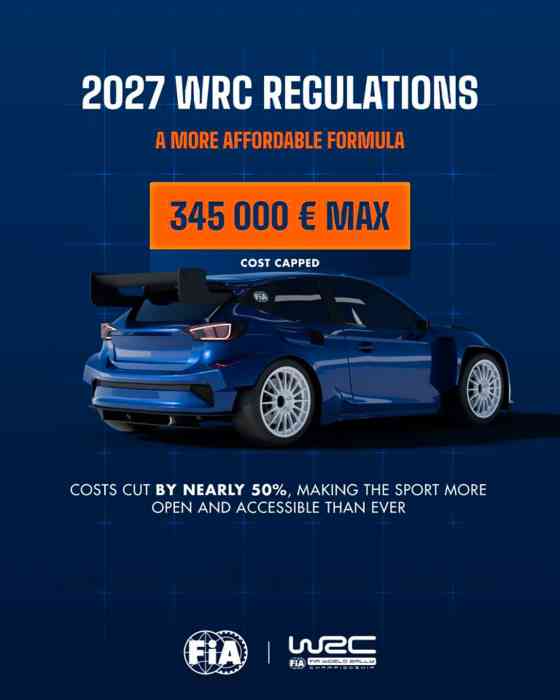
Cost is the key element of the new technical regulations for the top-flight Rally1 ruleset. Currently, the hybrid Rally1 cars cost almost EUR 1 million to build. This has been a huge limiting factor in the top level category as the sport only saw the participation of Toyota, Hyundai, and Ford.
To put it into perspective, a Subaru WRC rally car already costed around EUR 600,000 back in 2005. But for 2027, cars will be built to a cost cap of only EUR 345,000. This represents more than a 50 per cent reduction in costs when compared to the outgoing formula.
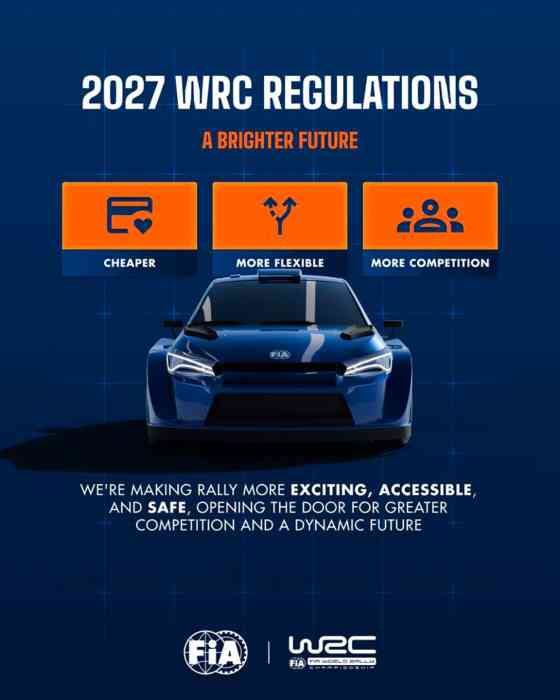
The cost savings are set to be achieved by using spec components, and in the technical designs of certain parts that will make them more durable over the course of a rally. Furthermore, operating costs will likewise be reduced by limiting personnel, reducing logistics transport costs, and increasing the use of local facilities in the rally calendar.
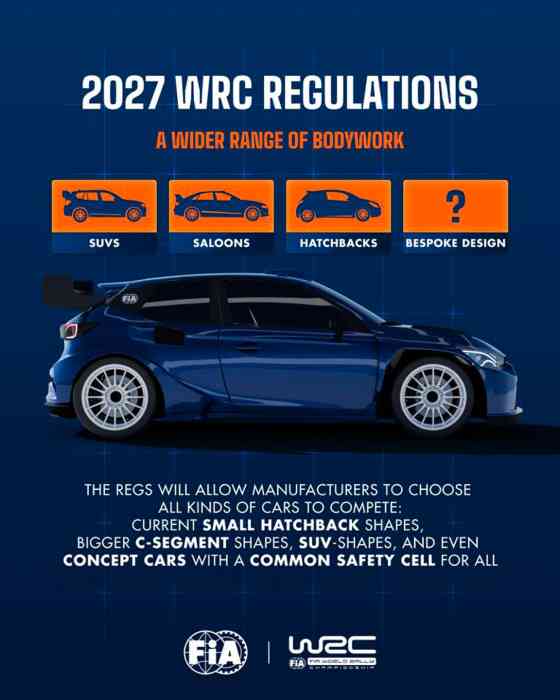
In exchange of having a cost cap and spec components, however, participating teams and manufacturers now have a free reign in choosing their own body styles to fit the current spaceframe chassis, along with choosing which powertrain to run. ICE-powered vehicles will run on sustainable fuels, but teams can now choose between building a full ICE, a hybrid, or a full electric Rally1 car as long as it does not go above the cost cap.
The bodywork is particularly interesting as almost any scaled production car can be fitted to the safety cell. That means we can see the return of sedans competing against hatchbacks, or even SUV body styles can be seen by 2027. In a commercial aspect, that means should Mitsubishi choose to return in the WRC, they can build an XForce rally car under that chassis.
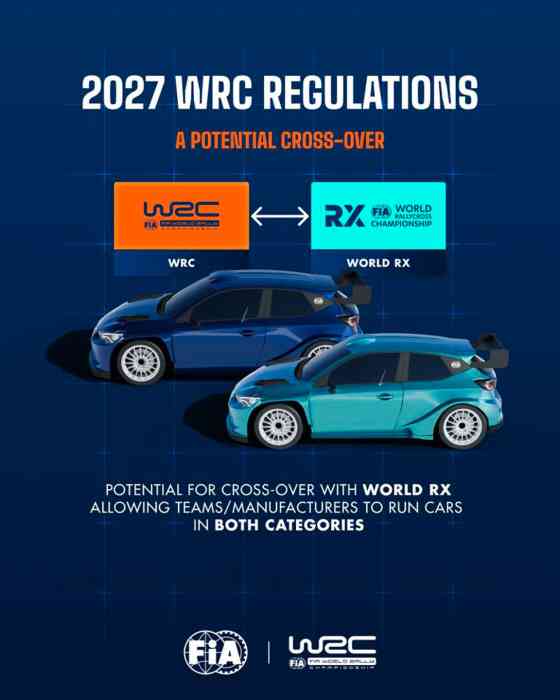
In addition, the Rally1 cars in 2027 will be made eligible to compete in the World Rallycross Championship (World RX), enabling teams and manufacturers to participate in both championships using the same car but potentially with different powertrains that will cater to the specific needs of each championship.
The FIA has proven in the World Endurance Championship (WEC) that lower costs and a free reign to design race cars have attracted multiple manufacturers to enter sports car racing, and that is what we think they are now aiming for in the WRC.