Loud race cars banned: Tsukuba implements strict noise regulations

Could Philippine racetracks also face the same challenge?
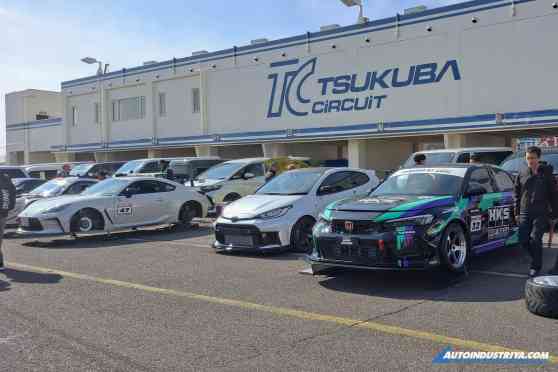
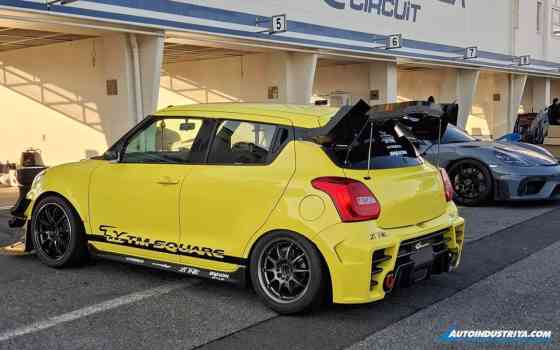
Set against the foothills of Mount Tsukuba, one of Japan’s “Top 100 Mountains,” the iconic Tsukuba Circuit TC2000 roared to life for Shiba Tire presents Attack Tsukuba 2026, turning the venue into a pure time-attack battleground in pursuit of shattering the track lap record.
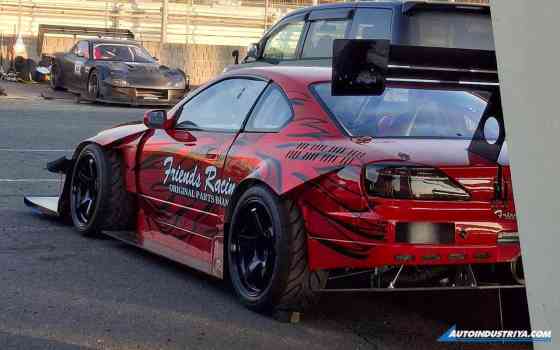
Attack Tsukuba stands as Japan’s premier time-attack event, prioritizing outright speed over wheel-to-wheel racing. Highly modified, aerodynamically optimized racecars are given two flying laps to set their best time.
The fastest machines are now edging below the 50-second barrier, approaching the long-standing lap record of 49.445 seconds, set by Nobuteru "NOB" Taniguchi in the HKS Toyota 86 TRB-03 on February 15, 2018, that remains unbeaten.
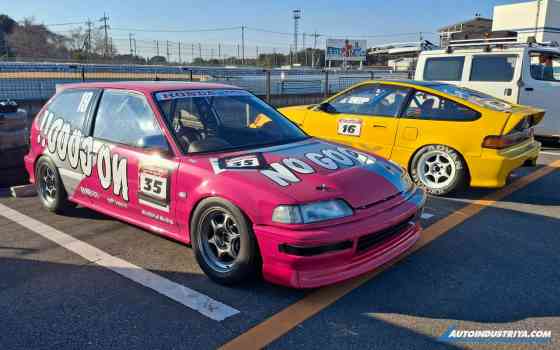
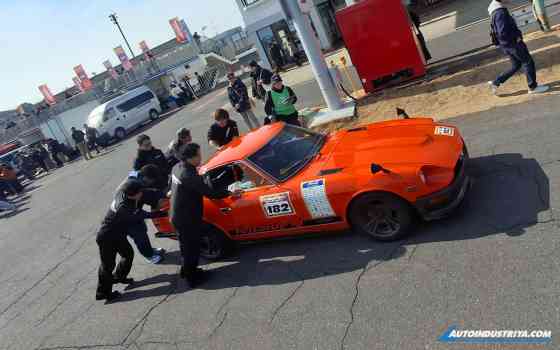
This year saw 182 entries across 14 classes, representing the full spectrum of Japan’s tuning culture, from street-legal builds to extreme purpose-built race machines. The fiercest competition unfolded in the Superlap Shootout, alongside key categories such as Turbo, NA, and Real Tuning classes.
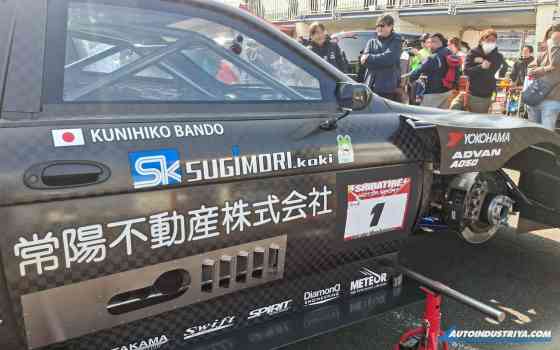
At the sharp end, Kunihiko Bando topped the charts in the carbon fiber-bodied RSC3000 Soarer with a 52.26-second lap. He was followed by Beyamax president in the Voltex Sunoco GT-R (53.275 seconds), with Feras Qartoumy securing third in the Qartoumy Corvette at 53.31 seconds.
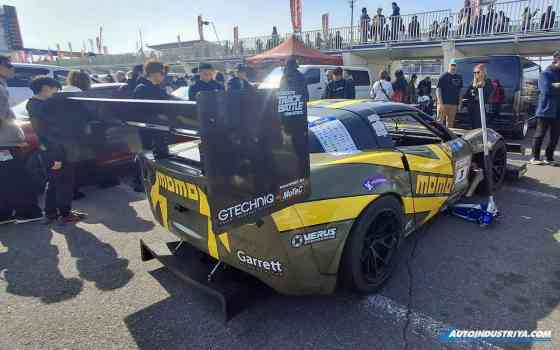
But it wasn’t all about breaking lap records, as Tsukuba redefined the standard this year by implementing strict noise regulations. The move came after mounting complaints from nearby residents, which reportedly intensified following the Hachiroku Festival, and marks a new era where outright performance must now coexist with sound control.
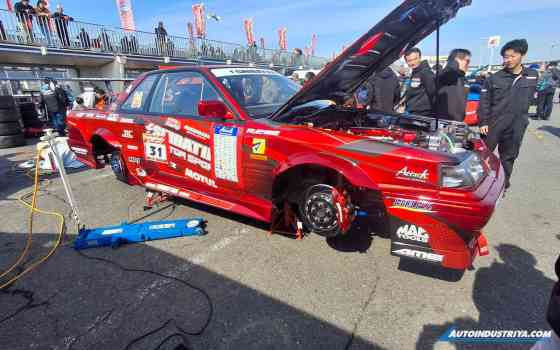
Announced last December 2025, the new rule imposes a 110 dB limit, requiring all entries to pass mandatory sound checks before qualifying. Any vehicle that exceeds the threshold while on track will be immediately black-flagged. As a consequence, the top two finishers of the Attack event were disqualified for breaching the noise regulations.
Noise regulations are nothing new, as all major racetracks enforce them. At the Nürburgring Nordschleife, the maximum allowable sound level is 130 dB, while WeatherTech Raceway Laguna Seca ranges from 90 to 105 dB. Laguna Seca even got into a noise dispute lawsuit filed by residents several years ago that temporarily threatened the track’s continued operation.
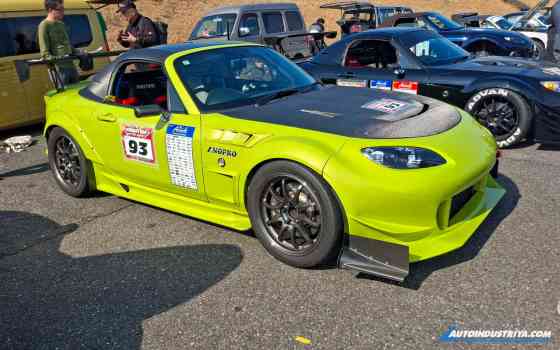
This is an issue that has long challenged racetracks worldwide, with many venues forced to impose strict sound limits or, in extreme cases, close entirely due to pressure from surrounding communities, just like countless drag strips and circuits in the States.
Locally, however, we’ve been fortunate. Philippine racetracks have so far avoided major conflicts related to noise, allowing motorsport activities to continue largely unrestricted.
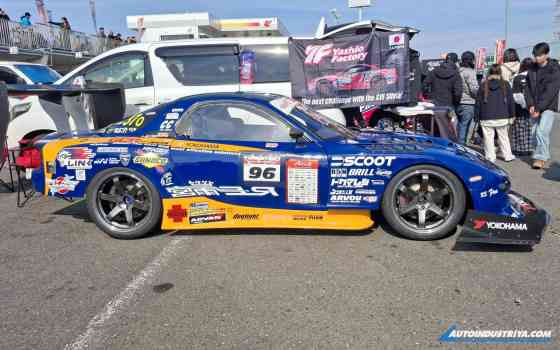
But as urban development and commercialization continue to expand with hotels and residential communities steadily encroaching on former open spaces, there may come a time when local circuits such as Carmona Race Track, Batangas Racing Circuit, Clark International Speedway, and even the R33 Drift Track may face similar noise-related challenges, forcing them to implement noise regulations.
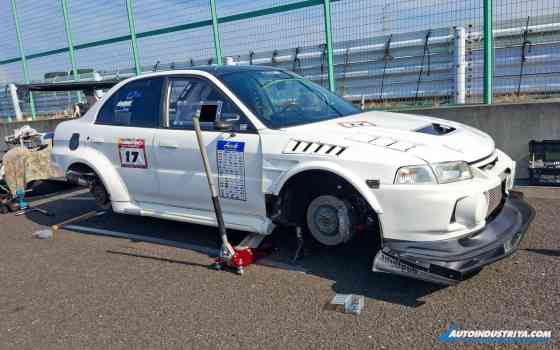
This noise concern extends beyond permanent racetracks. Grassroots motorsport activities, particularly autocross and slalom events, are often held in open parking lots within shopping centers and beside residential areas, making them even more vulnerable to noise restrictions. Because these events take place in shared public spaces, sound levels can quickly become a sensitive issue for surrounding communities.
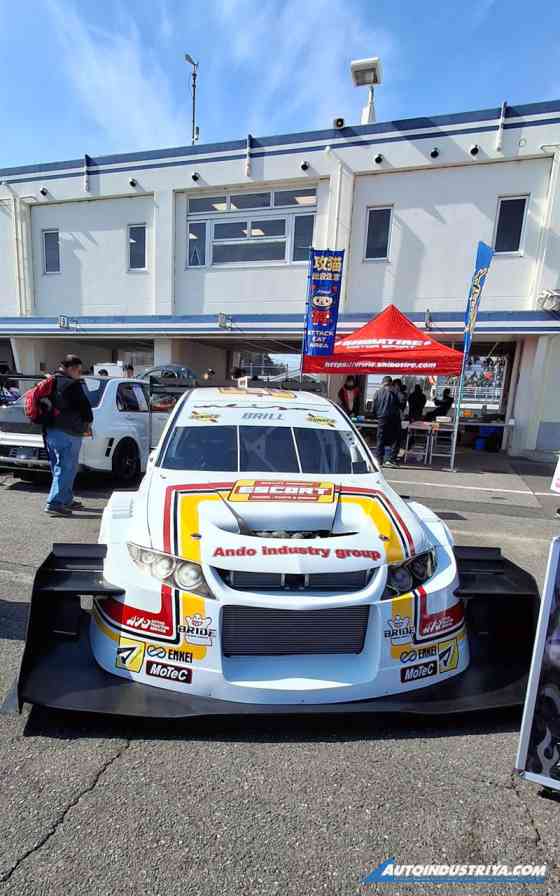
Any true motorsport enthusiast knows that a fully built, internal-combustion engine is meant to be loud. Most especially in racing, where wins are decided by mere fractions of a second, noise regulations don’t just affect performance; they can also shape the character and future of the sport itself.
So here’s the question: how do we hold onto the visceral excitement that defines motorsport, while keeping peace with the communities that live beyond the track? Where does passion end and responsibility begin, and can the two ever truly coexist?
What’s your take on implementing noise regulations at the racetrack, or even at grassroots events? Share your thoughts and comments below.