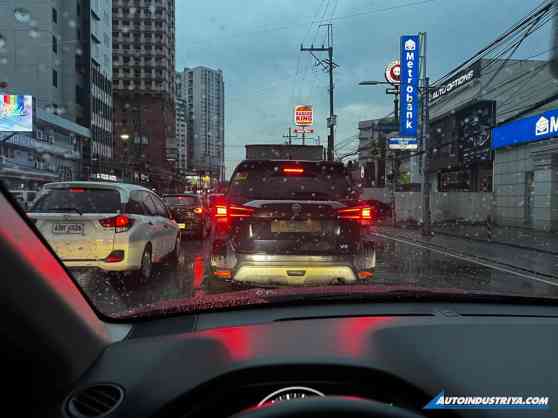
What you should and shouldn't do when driving in heavy rain

Stay safe on the road: Rainy season driving tips
Driving in heavy rainfall can be a daunting experience, even for seasoned motorists, as it brings a host of challenges. These include reduced visibility, slippery roads, hidden potholes, longer stopping distances, the risk of hydroplaning, and even the threat of flash floods. To stay safe in such conditions, it’s crucial to adjust your driving habits accordingly and remain extra vigilant behind the wheel.
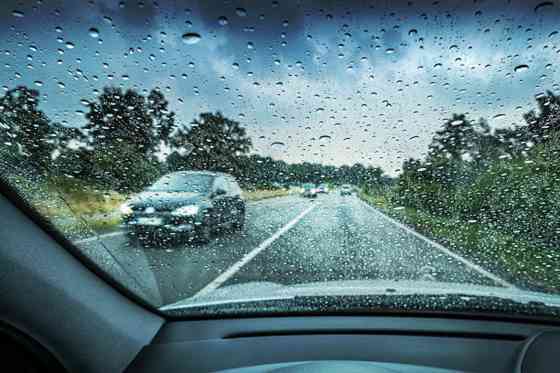
But it takes more than just changing driving styles in order to safely navigate through wet, slippery roads during the rainy season. Another factor that plays a huge role is vehicle preparedness. Keep in mind that even the safest driving techniques can’t compensate for a poorly maintained car. So, before hitting the road, it is important to have these key components inspected by yourself or have them checked by a qualified mechanic.
Ensuring that your vehicle is in good condition will help it handle the challenges brought about by the rainy weather. To keep both you and your vehicle ready, here are some essential do’s and don’ts to help you stay safe and drive with confidence, no matter what the road conditions may be.
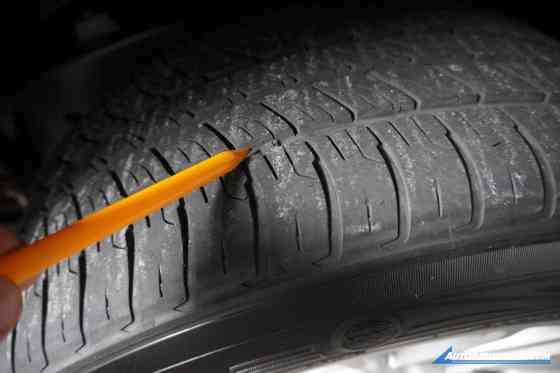
DO: Check your tires
Those grooves on the tread pattern of your tires are there for a reason: to find traction on loose surfaces, and dispel water quickly so your tires remain in proper contact with the road. When it rains, worn or bald tires significantly reduce their ability to provide much-needed traction on wet roads, increasing the risk of hydroplaning.
When tires lose proper contact with the road surface, the car is more likely to slip and slide, which may compromise your safety. So always ensure your tires have sufficient tread depth and the correct air pressure before driving under rainy conditions, as underinflated tires could also cause the tire's tread to flatten and trap water, reducing its ability to channel water away.
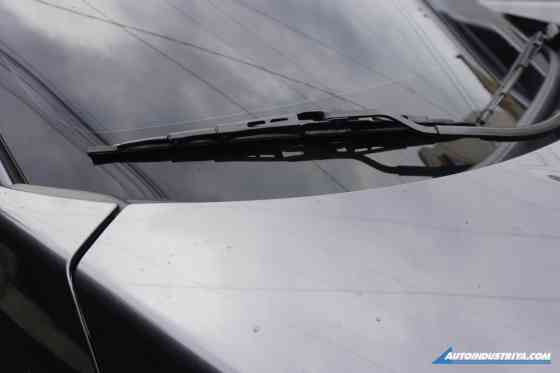
DO: Wiper check
Just like your car needs a good wash, your wiper blades also require cleaning. Dirt, grime, and debris from the windshield can build up on the blades, affecting their performance. Keep them clean by regularly washing them or every time you take the car to a car wash. Once it fails to completely remove rain water from the windshield, or notice water streaks on the glass, and visible cracks or tears appear in the rubber, immediately have the wiper blades replaced.
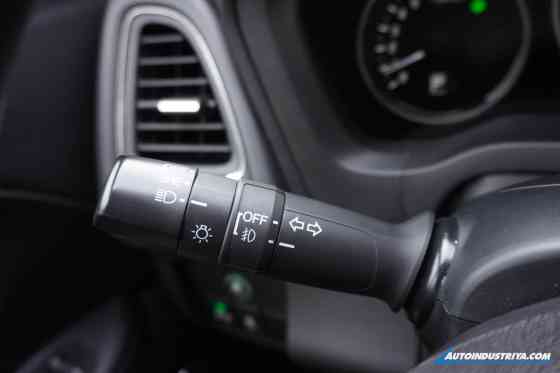
DO: Turn your lights on
Using your headlights instead of hitting the hazard switch during rainy weather situations improves both your visibility and your vehicle's visibility towards other drivers. Contrary to popular belief, using the hazard switch while you're moving actually poses more hazard to other drivers, as they are left guessing whenever you're switching lanes, or if you're stationary.
Headlights help you see the edges of the road more clearly, while taillights make it easier for drivers behind you to see the car even during heavy downpours. It’s a simple step that greatly enhances road safety.
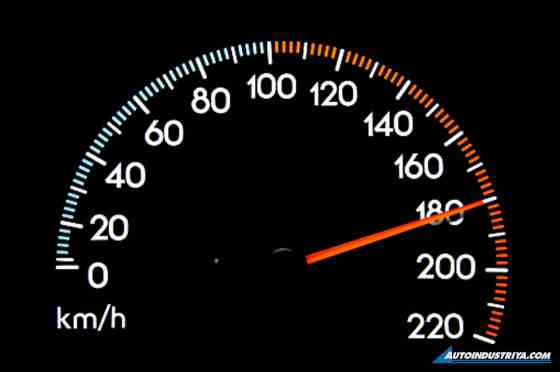
DO: Slow down
Wet roads greatly reduce visibility and increase braking distances, making it harder to stop quickly and safely. To stay in control, keep your steering, acceleration, and braking inputs smooth and gentle. Slow down and leave extra space between you and the vehicle ahead, giving you more time to react in case of emergencies and also helping reduce the risk of skidding or hydroplaning.
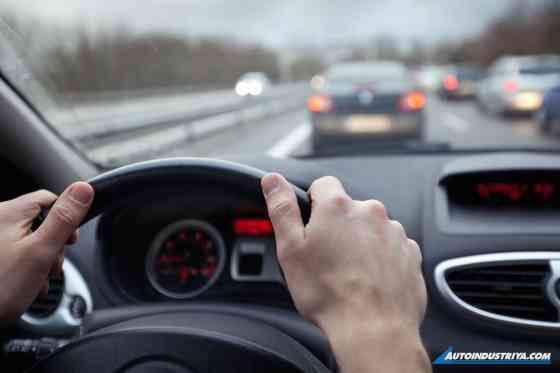
DO: Increase following distance
In wet driving conditions, maintaining a safe distance from the vehicle ahead is crucial. Give yourself extra space, ideally at least three seconds between your car and the one in front. This added buffer allows more time to react and brake safely just in case the car in front suddenly stops. Thereby, reducing the risk of rear-end collisions caused by sudden stops coupled with slippery roads and reduced traction.
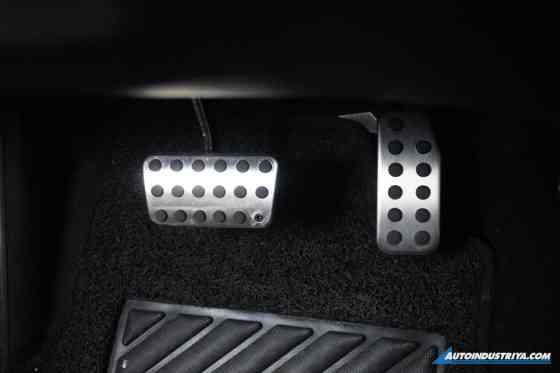
DO: Apply the brakes smoothly
In wet driving conditions, always brake gently and steadily when slowing down or stopping. Sudden braking, making sharp turns, or quickly accelerating can lead to skidding and loss of control. Maintain a moderate speed and apply smooth, controlled inputs on the throttle, steering, and braking. Collectively, these will help maintain traction and ensure safer driving on slippery roads.
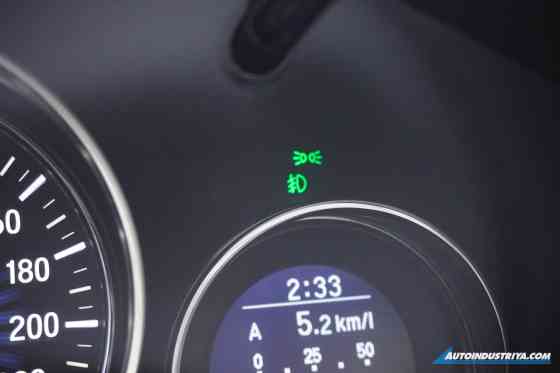
DON’T: Use high-beam headlights in the rain
If you’re thinking that using high beams in the rain will help improve visibility, think again, as it can actually reduce visibility instead of improving it. The intense light reflects off raindrops, creating glare that can make it harder to see and may also blind other drivers. In addition, using high beams can also make it more difficult to judge road surfaces, making it harder to distinguish between shallow puddles, deep water, or potholes. Stick to low-beam headlights to maintain clear vision and ensure safety for everyone on the road.
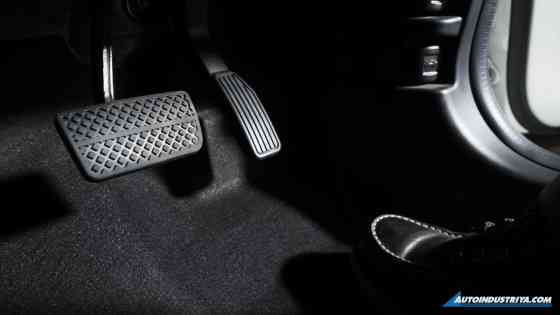
DON’T: Slam on the brakes
Driving on wet roads offers less traction than dry conditions, and slamming on the brakes can cause your tires to lose grip, leading to skidding or loss of control. Sudden braking also puts unnecessary strain on your vehicle’s brake system, which may lead to brake fade or mechanical failure over time. Always remember to brake gently and steadily to maintain control and allow your tires to grip the road properly.
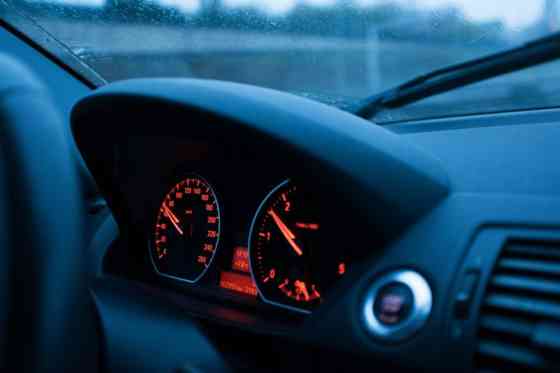
DON’T: Drive too fast
Driving beyond the speed limit under wet and rainy conditions is especially dangerous. Wet roads reduce traction and increase the risk of losing control. Even a thin layer of water can cause a vehicle to hydroplane, most especially at high speeds, and make it harder to stop or steer effectively. This risk is even greater during heavy rain or on poorly maintained roads. To stay safe, reduce your speed and drive cautiously in wet weather.
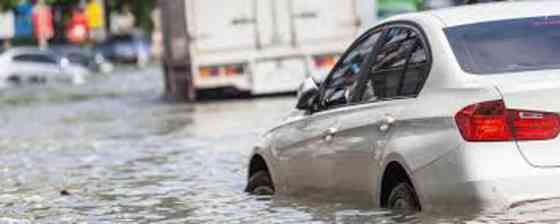
DON’T: Drive through flooded roads
If you can’t judge the depth of water on a flooded street, it’s best not to risk it. Floodwaters can be deceptively deep and may hide open manholes or large potholes that could cause damage to your vehicle. If you absolutely must proceed, first observe other vehicles to gauge the depth and risk. But the safest option is always to turn around and find an alternate route. And remember: Don’t turn on your hazard lights while driving through rain or water. Use them only to warn other drivers of a hazard.
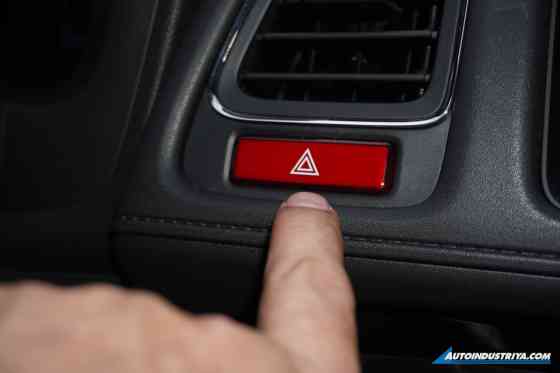
DON’T: Use hazard lights while driving
Using your hazard lights while driving in the rain will only confuse the other drivers. When they're on, your turn signals won’t work, making it harder for other drivers to anticipate your movements. It also becomes difficult for others to tell whether your vehicle is moving or stalled. Hazard lights should only be used when your vehicle is stopped due to an emergency or roadside issue, and not while driving in heavy rain.

DON’T: Drive distracted
Rainy weather brings extra challenges on the road, so staying focused is crucial. Avoid common distractions like scrolling through your mobile phone, eating or drinking, and chatting with passengers while driving. Keep your attention on the road to stay safe and respond quickly to changing conditions.
Bottom Line
Whether you're a seasoned professional driver or a newbie who’s just starting, following these simple do’s and don’ts can make a big difference when driving in the rain. Performing regular vehicle checks coupled with staying cautious, prepared, and aware will help you navigate through wet roads more safely and confidently.