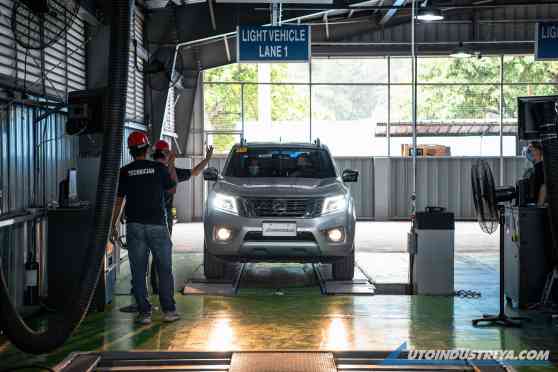
Motor Vehicle Inspection System: Seeking roadworthiness one car at a time

Why proper motor vehicle inspection matters
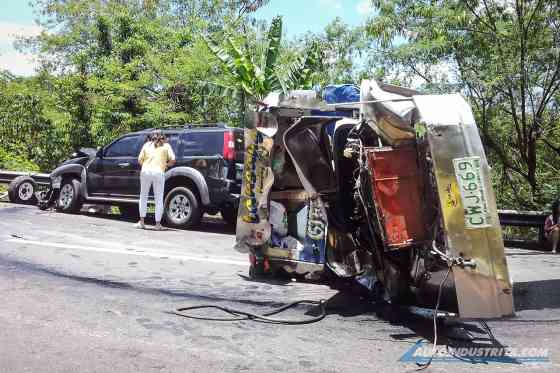
As vehicular crashes continue to occur at alarming rates, multiple factors contribute to these untoward incidents. Most of the time, it's driver error. Sometimes it's weather. Sometimes it's a freak accident that no one has control over like an animal suddenly crossing the street.
What we do have control over is making sure our vehicles are road worthy, as one of the primary factors is faulty vehicle condition caused by negligence on maintenance. This is the main reason why vehicle roadworthiness is highly critical and must not be overlooked.
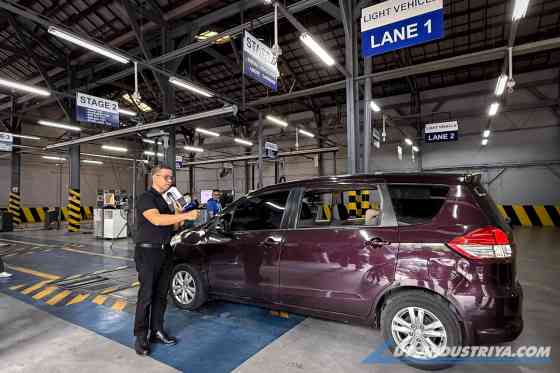
To be deemed roadworthy, a vehicle has to be accurately assessed based on its overall condition to ensure its safety and reliability on public roads. Regardless of whether it is privately owned or meant for public use, subjecting all vehicles to undergo a thorough inspection test serves as a crucial part of preventive road safety. The goal is not to hassle a motorist or two generate some kind of opportunity for red tape. The goal is identify potential mechanical issues that need immediate repair to reduce the risk of road crashes.
A few years ago, a new program was launched: the Motor Vehicle Inspection System (MVIS). As expected, it stirred up strong opinions. But make no mistake about it: this program by the Land Transportation Office (LTO) and their parent organization, the Department of Transportation (DOTr), is a crucial one to ensure motor vehicles are roadworthy before registration or renewal.
The standardized vehicle testing facilities offer services for motor vehicles, whether these be for private use or public utility. The standard testing procedures cover critical safety systems such as brake integrity, headlight and lighting function, suspension and sideslip, speedometer accuracy, and emission levels. To streamline testing to more locations, the DOTr allowed the franchising of the MVIS to private companies to invest in PMVICs.
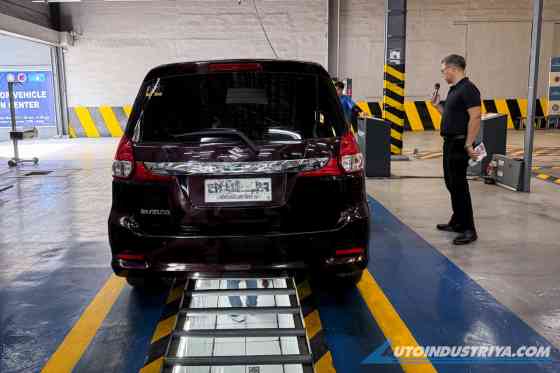
What is a PMVIC?
Simply put: PMVIC stands for Private Motor Vehicle Inspection Centers. These are facilities duly authorized by the DOTr and LTO to perform computerized and automated roadworthiness inspections of vehicles. These include visual assessments conducted by TESDA-accredited technicians, ensuring compliance with exhaust emissions and roadworthiness standards set by regulatory agencies such as the DOTr and the LTO.
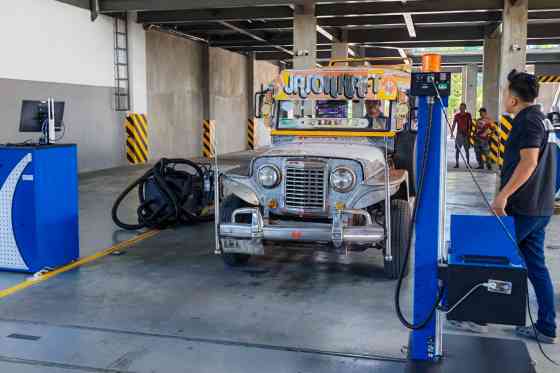
Does the PMVIC accept only private owned vehicles?
The word "Private" in the PMVIC merely means that the facility is privately-owned. These PMVICs accept all types of registered motor vehicles whether these be privately-owned, government-issued, or for-hire. Vehicles such as jeepneys, vans, SUVs, pickup trucks, motorcycles, and utility vehicles are all eligible to undergo PMVIC testing.
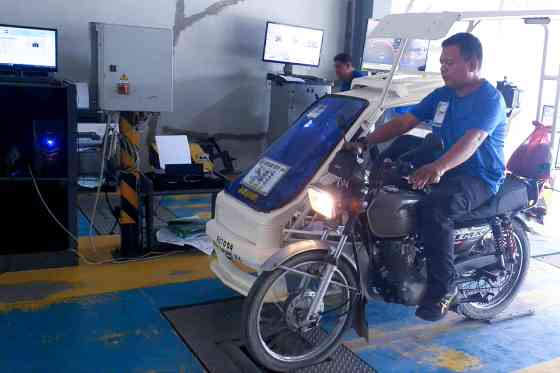
Vehicles with a gross vehicle weight not exceeding 4,500 kilograms, regardless of age, class, or design can be tested in a PMVIC. So, whether it’s a vintage or classic car, owner-type jeep, daily-driven beater, or high-performance vehicle, any vehicle can be subjected to a PMVIC roadworthiness and emissions check. Provided it remains in sound mechanical and operational condition.
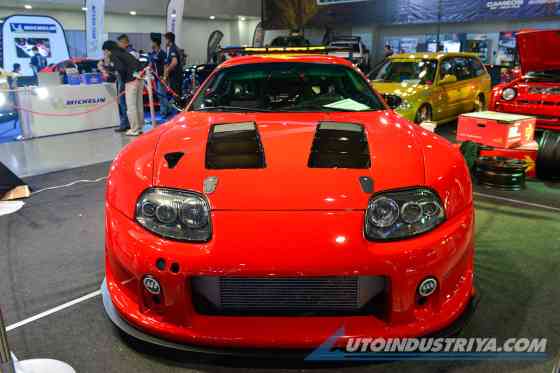
Modified vehicles and PMVIC
There was initial confusion that PMVICs would not inspect modified vehicles under LTO MC 2020-2240 and that the burden would fall under the LTO. These modifications were later clarified to pertain to vehicles with significant body modifications, unregistered change of color, unregistered change of engine, roof-mounted accessories requiring "Top Load Permits", canopies for pickups, and other major modifications that would require a modification of your registration data or an additional permit from the LTO.

"Such modifications would make a vehicle fail the visual inspection requirement as they do not match the registration data, hence we will not test the vehicle until they have had the LTO inpect and approve them," said the Vehicle Inspection Center Operators Association of the Philippines (VICOAP). This organization is a collective of around 80 PMVIC operators who aim to ensure they provide the best practices and procedures to conform to the DOTr and LTO mandate of roadworthiness.
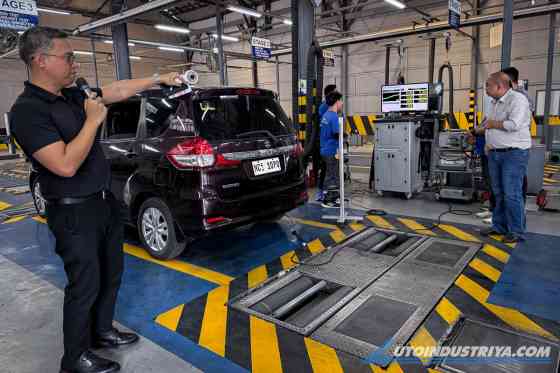
When it comes to vehicle modifications, what’s important to note here are the ones that drastically alter the original information specified on the Land Transportation Office (LTO) Certificate of Registration (CR) and Official Receipt (OR). These normally involve different engine numbers for those who have undergone engine swaps, chassis, or body numbers for vehicles that changed/converted such components. Including changing the body color, whether it used vinyl wrap or automotive paint. Keep in mind that such drastic changes must be officially registered, changed, and compliant with LTO regulations before bringing the vehicle to undergo PMVIC testing.
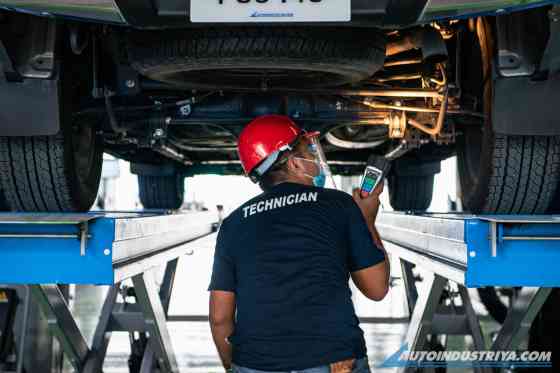
For car enthusiasts whose vehicles have undergone customization or modification, keep in mind that they are still eligible for testing under the Private Motor Vehicle Inspection Center (PMVIC) program. But only under the condition that the modifications do not compromise the structural integrity, overall safety, and roadworthiness of the vehicle.
Engine modifications geared towards making more power, whether external or internal, are allowed. This includes turbochargers, superchargers, and similar power adders, provided the engine passes emissions testing. As long as the sound levels don’t go way past 99 decibels, aftermarket exhaust systems are allowed. Any vehicle exceeding this limit will likely fail the inspection and require changing the exhaust system. The same goes for lowered or lifted suspension components. Not too low or too high to the point where it cannot roll/fit on their lifter and other testing parameters.
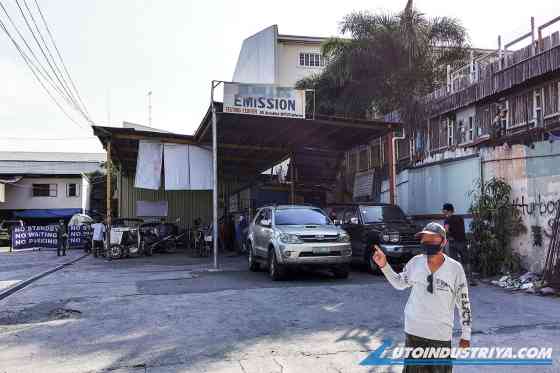
We are way behind
In almost all parts of the world, motor vehicle inspection is standard practice and a major requirement for vehicle registration like MOT in the United Kingdom. Here in the Philippines, we are among the few remaining countries that have yet to fully implement proper vehicle inspection for annual vehicle registration.
The DOTr attempted to change all this in 2020; they wanted to phase out the Private Emissions Testing Center (PETC) system that has abused by fixers with fraudulent non-appearance schemes and put in the PMVIC as the new standard. This was met with resistance; the timing was during the pandemic and many were caught off guard, and some of the rules were seen as unusually stringent or even vague.
The rules have since been revised to require only emissions testing and visual inspection, and the pitchforks have been brought back to storage. Going through the modern test line will still subject your vehicle to testing and issuance of recommended repairs (should your vehicle fall out of the parameters of the 72+ point roadworthiness inspection) but will not be a hindrance to actual registration renewal... at least for now.
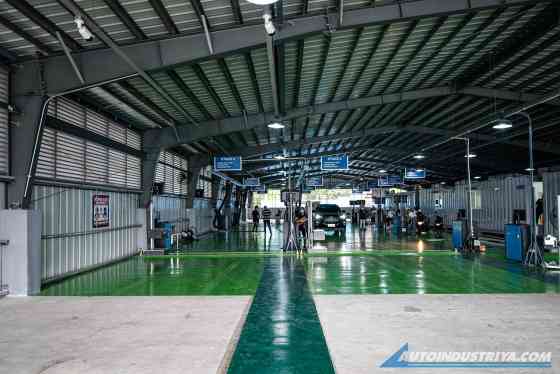
For now, motorists still have the choice whether to have only an emission test through PETCs and a visual inspection or take their vehicle through a modern MVIS testing line with proper equipment and technicians. If we were to offer some advice: got a PMVIC and get a proper check done. It's not that different to coming into your HMO's clinic and undergoing a series of standard tests to find out if you're OK. And at the PMVIC, you can renew your registration on site.
There are already over 130 of thse facilities operating nationwide (here's a quick directory of VICOAP affiliated PMVICs) and these have conducted roadworthiness testing for over 2 million vehicles each year. Unfortunately, many motorists still prefer the PETC. Get your car checked at a PMVIC. It's just the sensible and responsible thing to do.