Fake car parts: How to spot them?

How to identify genuine parts from counterfeit ones
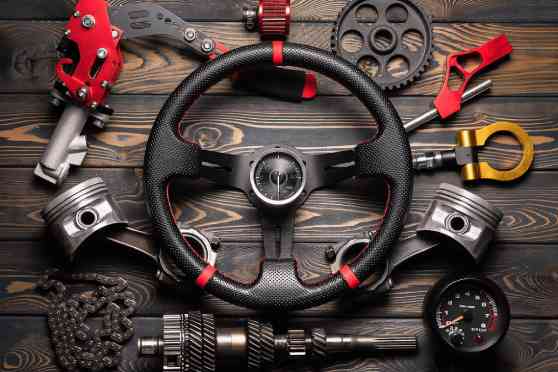
Stumbled upon a set of brand-new performance brake calipers or aftermarket tie-rod ends priced way below market value? Better think twice, as counterfeit parts are just copies made with inferior materials and the main reason why they're cheaper. Widely used engine/suspension parts and popular aftermarket accessories like bucket seats, safety harnesses, wheels, brake calipers, and more, continue to be the most copied items.
Earlier this year, a Chinese spare parts importer was apprehended by the National Bureau of Investigation's (NBI) Intellectual Property Rights Division exhibiting and selling a known brand of Japanese suspension components during an aftermarket auto parts expo in Pasay City.
According to Acviss which is an international anti-counterfeiting company, the counterfeit automotive parts market is estimated to be worth $45 billion globally, and growing rapidly. Making matters even more difficult, the source of counterfeit parts isn’t limited to auto parts and car accessory shops. Former brick-and-mortar shops are notorious for selling fake parts are now expanding online by capitalizing on anonymity and reach. This includes social media platforms, e-marketplaces, and various websites, making the internet a hotbed for counterfeit auto parts.
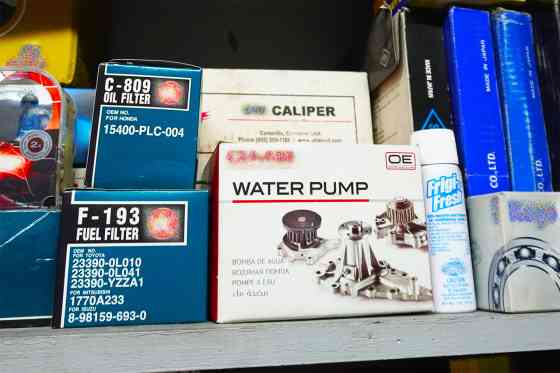
Online transactions involve a high level of risk as buyers are unable to physically see and examine what they’re buying. With the variety of parts that are being replicated, not everyone can tell the difference between what’s genuine and a counterfeit. To prevent yourself from being the victim, always check and inspect the part personally whenever possible. Here are some things to keep in mind when buying auto parts.
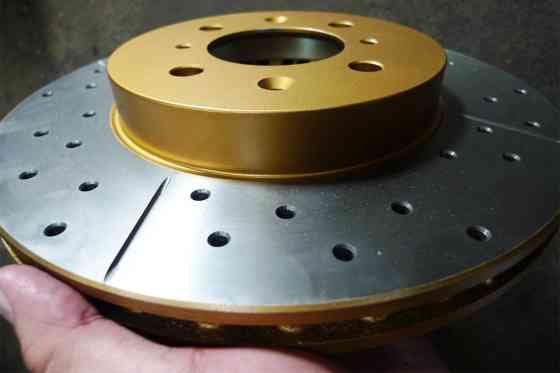
1. Check for Product Quality
Genuine spare parts should come without any signs of visible imperfections. The same goes for aftermarket performance parts. If you think that it is poorly made, spot any cracks, dents, or deformities, chances are; the part is counterfeit. My advice is to look closely at the logo and other markings to see how well they were cast and check whether there’s something off about them. This could be in terms of color, font size, or spelling like counterfeit Mugen and Rays wheels where they are intentionally misspelled as Mucen or Ravs.
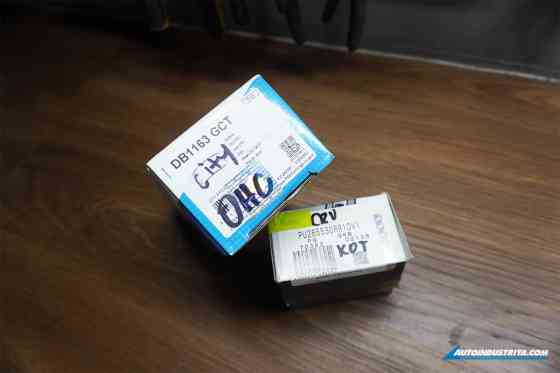
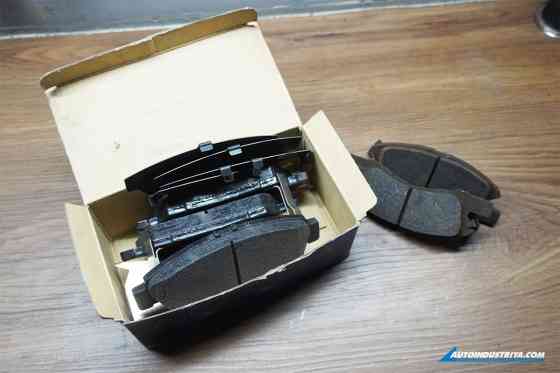
Most counterfeit parts come in poorly made packaging, which is a dead giveaway. Genuine parts come well-packaged with correctly printed logos and identifying marks such as hologram stickers with a sharp 3D effect. Scrutinize the packaging and labels when purchasing OEM genuine or aftermarket parts.

2. Compare Prices
If a seller is offering a spare or performance part at an enticingly low price that seems too good to be true, they probably are. My best bet is to compare looks and prices with similar second-hand ones and see how far off they are. It's common knowledge that genuine auto spare parts and performance aftermarket items don’t come cheap. So, if you find one at a significantly lower price, there’s a slim chance it might be a knock-off. Always do an online check.

3. Seller and Warranty Check
Before buying from a store, person, or someone online, check if they are an authorized seller/distributor. Read customer reviews, feedback, and other information to help verify if they’re totally legit. In most cases, counterfeit auto spare parts will not come with any warranty information or card so always ask for availability. Research websites for their list of dealers or importers and go to them first.
The Bottom Line
Remember, using counterfeit parts creates a lot of risks for car owners. First, such parts have no guarantee that they conform to the standards of genuine parts. Meaning they may not be safe or last as long as genuine ones. Second, they may not be compatible with other parts of the vehicle, leading to early component failure. Third, without any form of product warranty, this leaves the buyer at the losing end.
My advice is to always make sure to research what you’re buying and thoroughly check the part. Lastly, only deal with trusted auto parts stores, legitimate sellers, and shops for total peace of mind.