Driving in an Earthquake: the Do's, Dont's, and Everything In Between

Earthquake Driving 101
Earthquakes, just like a storm, can happen anytime and anywhere, but the main difference is that we can see a super typhoon coming a long way.
Encountering this an earthquake while driving can and probably will prove even more problematic and life-threatening, thanks to the potential danger of collapsed roads, bridges, buildings, and more. So, in light of the recently concluded “shake drill” that was undertaken by the MMDA in the metropolis, here are some tips on what you should do if you experience an earthquake while you're driving on the road.
Whatever you do, don't panic
Panic is the best friend of any disaster. Be calm and clear about getting to safety and staying secure.
Stay inside the vehicle during the earthquake
During an earthquake, a car can act as an extra shield or barrier against small debris. Just don't expect it to stack up well against falling rubble.
Reduce speed or pullover
A shaking road will make driving around difficult and unpredictable. Park or stop on some solid ground. If you're on a bridge, get off it.
Get to a clear area
Stay away from lamp posts, power lines, trees, or buildings. You would want to be as far away as possible from tall heavy structures that can collapse or topple.
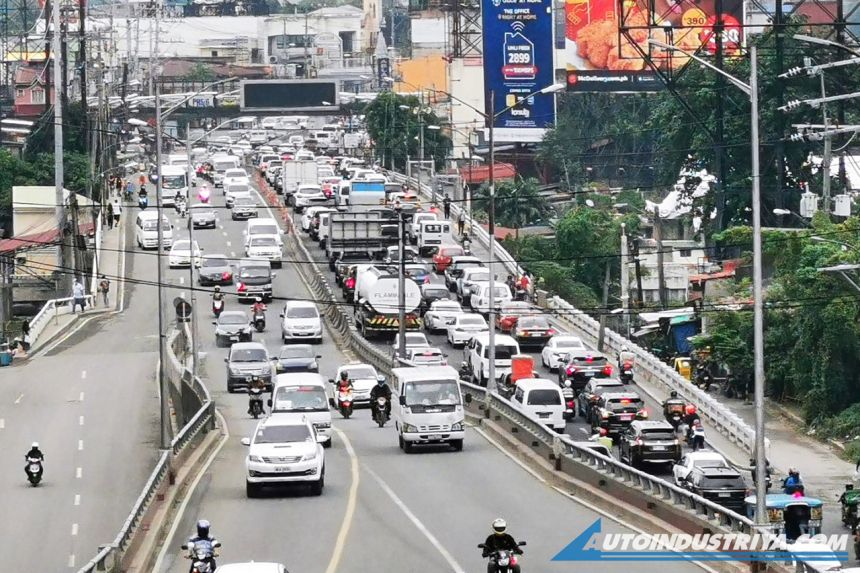
Get off the major roadways if possible
Main thoroughfares are where most vehicles are concentrated. Expect panic and potential collisions.
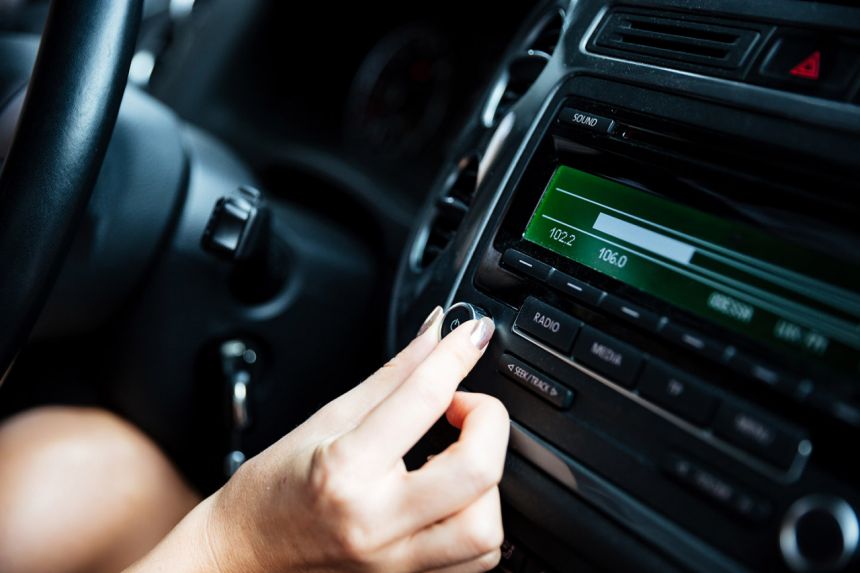
Turn off the iPod, turn on the radio
Listen to the radio for updates, guidelines, and warnings that may be provided by the local or national government.
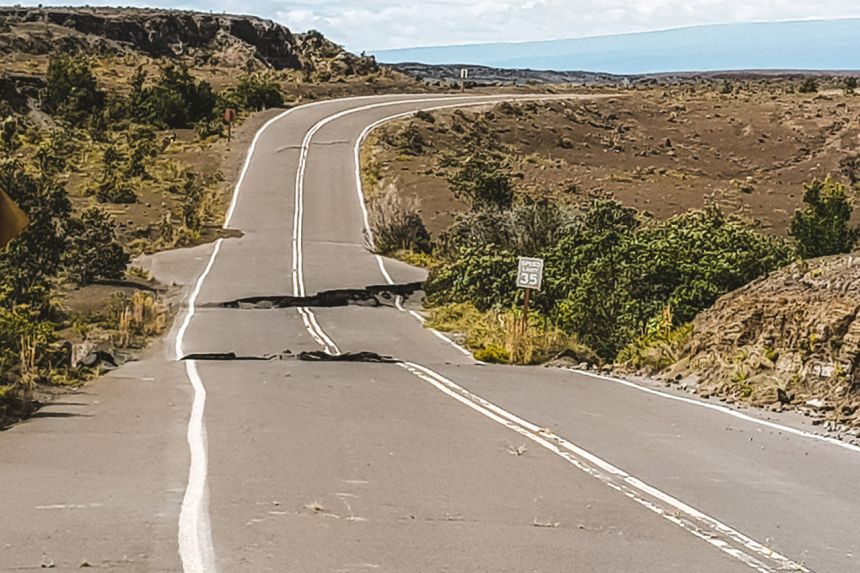
After the quake, check yourself and your surroundings
Carefully step outside the car and check the surrounding area for any debris or downed power lines as such. Assess the damage to the car if there is any. Expect emergency service numbers to be down as they themselves have to contend with the aftermath and their phone lines are probably busy as well. Check yourself for any injuries and apply first aid if needed.
Proceed home if you can
Drive away from the area if it is safe to do so. Immediately proceed home or to a nearby evacuation center. Notify family members or relatives that you are all right but keep in mind some cell towers may be damaged.
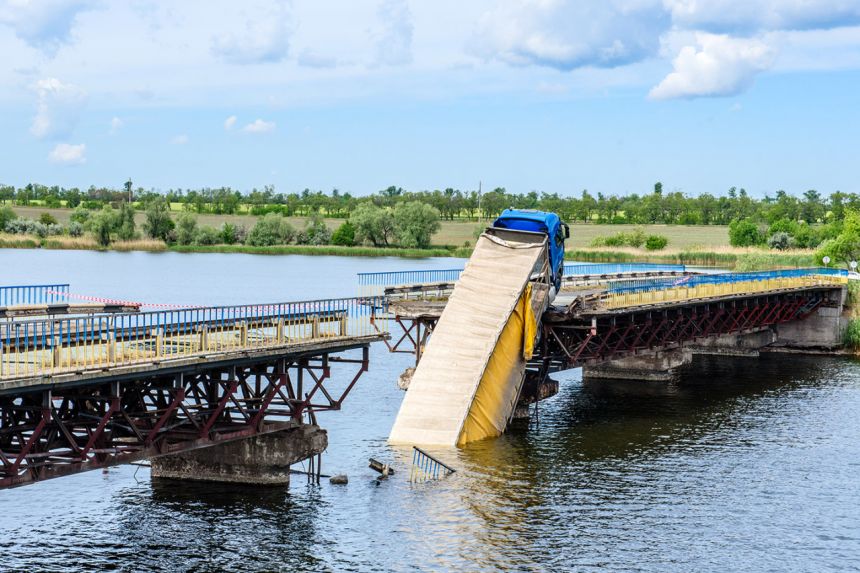
Stay away from elevated roads
Avoid bridges, ramps, elevated highways or crossing under overpasses. Even if there are no visible cracks or signs of damage, there is still a possibility that the infrastructure may collapse.
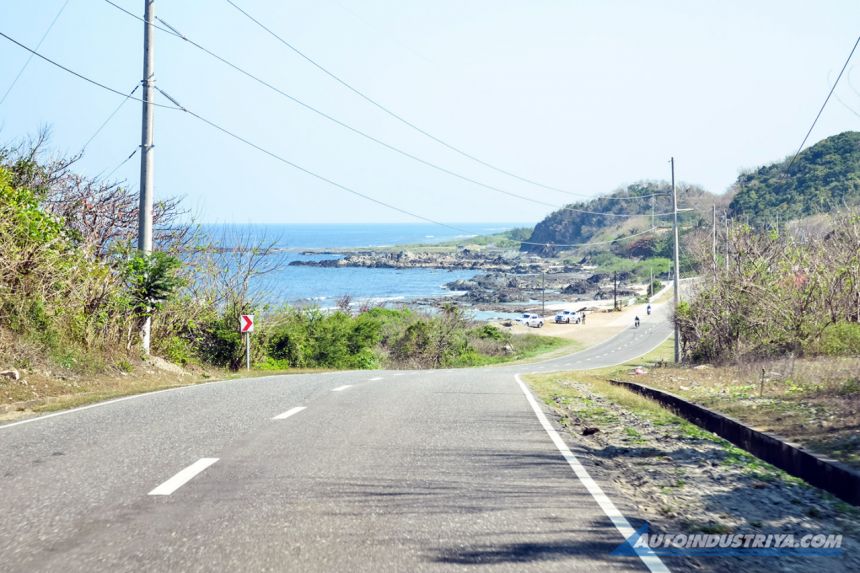
Steer clear of coastal roads
Driving near the coastline can pose a serious threat as a potential tsunami can form. Get to higher ground but be careful as landslides or rockslides can also occur after an earthquake.
Watch out for aftershocks
In the event of an aftershock or aftershocks, repeat all of the above.
-
Remember: it's about staying safe by staying smart. Keep your wits about you, do not panic and we'll all get through any emergency safely and securely.